Your Packaging Can Now Talk Back: What Smart Packaging Actually Means for Your Brand in 2026
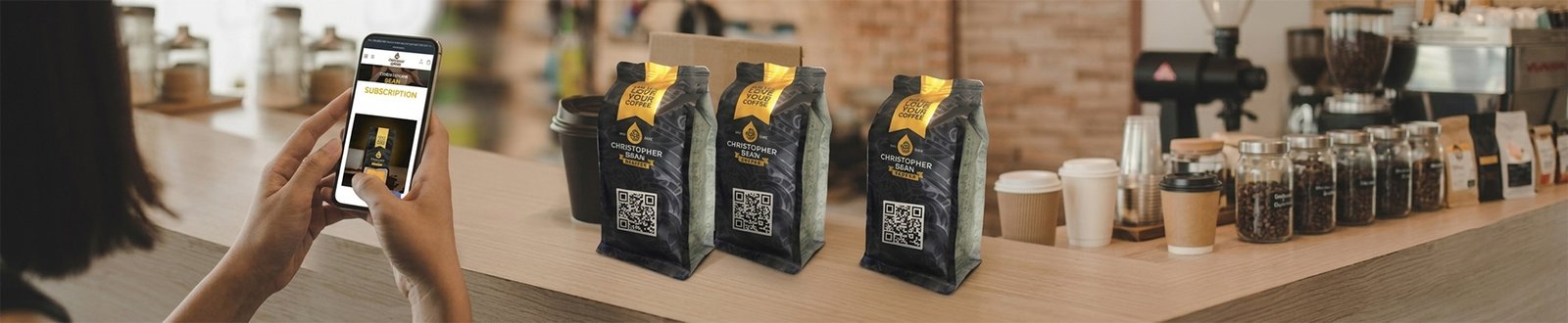
A woman stands in the coffee aisle, holding two bags that look almost identical. Same roast, same cost, same stand. She picks one up, taps her phone against it without really believing, and a screen pops up showing exactly which farm the beans came from and when they were roasted. She puts the other bag back and buys that one instead.
Here is the thing about smart packaging: most brands still treat it like a sci-fi concept. It does not. It means the box, the label, or the bottle you are already printing can now hold an entire layer of content that nobody can see until they scan it. And the technology behind it has finally caught up to the promise.
Why Smart Packaging Is Different in 2026
QR codes have been around for years, sure. What has changed in 2026 is how people use them and what occurs after the scan.
The biggest shift has been the move away from apps. For years, brands building AR experiences for interactive packaging needed customers to download something first, and that single step killed engagement. Research consistently showed app download requirements cut interaction rates by 60 to 80 per cent compared to scanning straight into a browser. Nobody wants to download an app to look at a coffee bag.
WebAR fixed that. Scan the code, and the experience opens straight in the phone’s browser, no download, no friction. And the timing could not have worked out better for this shift: one of the major AR platforms agencies relied on for years, 8th Wall, announced it was shutting down in early 2026. That single event pushed a lot of brands to migrate toward simpler, no-code WebAR tools almost overnight, and the scan rates on the new setups have genuinely been better.
NFC Tags and Smart Packaging: Beyond QR Codes
NFC tags are having a real moment too, and not just for novelty taps. A tap interaction skips the camera, the lighting issues, and the awkward angle you need for a QR scan. You just touch your phone to the pack, and something happens.
Clinique was actually one of the earlier movers here, launching NFC-enabled skincare packaging back in 2022 that let customers tap their bottle for product information. That market has only grown since; NFC-embedded smart packaging technology is projected to grow from under £6 billion in 2025 to over £19 billion by 2034. That is not a small trend. That is an entire type of packaging developing in real time.
For amazing products, especially cosmetics, spirits, and pharmaceuticals, NFC is becoming the preferred option over QR because it doubles as an authenticity check. A counterfeit box can copy a QR code easily enough. A secure, programmable NFC tag is a lot harder to fake convincingly.

What Smart Packaging Can Actually Do for Your Brand
So once someone scans or taps, what are they actually getting? A few things have become genuinely standard rather than experimental with this kind of custom packaging UK brands are adopting:
- Origin stories and sourcing transparency. Customers increasingly want to know where something came from, and a scan can show the actual supply chain, set number, production date, and occasionally even the specific farm or facility applied.
- Recycling and disposal advice. Rather than assuming whether a box is recyclable in their specific place, a scan can tell a customer exactly how to dispose of what they are holding, based on real, restricted rules rather than a generic recycling symbol.
- Loyalty and engagement layers. Some brands are building small games, deluxe content, or direct requests behind the scan, turning a one-time investment into a touchpoint that keeps customers coming back to interact again.
- Authenticity verification. Particularly relevant for anything getting counterfeited, luxury goods, supplements, spirits, a secure tag lets a customer confirm what they bought is genuine before they even open it.
Common Smart Packaging Mistakes Brands Keep Making
Here is where it gets a bit messier than the marketing decks make it look. Smart packaging only works if the experience behind the scan is actually worth the customer’s time. A QR code that just opens a generic homepage is not smart packaging. It is a missed opportunity, and customers notice the difference immediately.
The brands actually seeing strong engagement numbers treat the scan as their own piece of content, not something tacked onto the print job at the last minute. That usually means thinking about it while the custom corrugated boxes or labels are still being designed, not weeks later when someone in marketing remembers QR codes exist.
There is also a cost reality worth being honest about. No-code WebAR tools have brought per-SKU pricing down to a level that small and mid-sized brands can realistically afford, often somewhere in the range of a few dollars per month per product line, which is a big change from a few years ago when this kind of tech was mostly reserved for large FMCG budgets. That said, it still needs someone to build and maintain the content behind the scan, and that is not free.
Smart Packaging and the Regulation Making It Mandatory
Regulation is going to push this further, whether brands want it to or not. Extended Producer Responsibility rules across the UK and Europe are tightening, and digital product passports, essentially a full lifecycle record accessible through a scan, are becoming less optional and more expected, particularly for brands operating in regulated categories.
Combine that with consumers who are genuinely more sceptical of sustainability claims printed directly on a box with no way to verify them, and the direction is fairly clear. A scan that proves a claim is worth more than a logo that just states one.
How to Get Started with Smart Packaging on Your Next Print Run
You do not need to bolt NFC fragments onto every single product feature. But if you are redesigning your boxes this year, it is worth at least asking the question: what would a client actually get if they tapped or scanned this box? If the simple answer is “nothing useful yet,” that is okay, but it is also a void that competitors further along this curve are already starting to close.
Conclusion
Packaging used to have one job: save the product and look good doing it. In 2026, the boxes that are actually acting for brands are doing a third job too, starting a conversation the moment someone picks them up. It is a simple QR code linking to a recycling guide or a full NFC-powered authenticity check. The brands building this in now are the ones setting the standard everyone else will be compared against by the time it becomes the norm rather than the exception.

Harry Taylor
Packaging expert at Hale Path Packaging, sharing insights on custom packaging solutions, sustainable materials, and industry trends.