Oliver Smith
Hale Path Packaging delivered outstanding service with quality pouches. Their printing precision and timely delivery exceeded expectations. Highly skilled team ensuring packaging needs were met correctly.

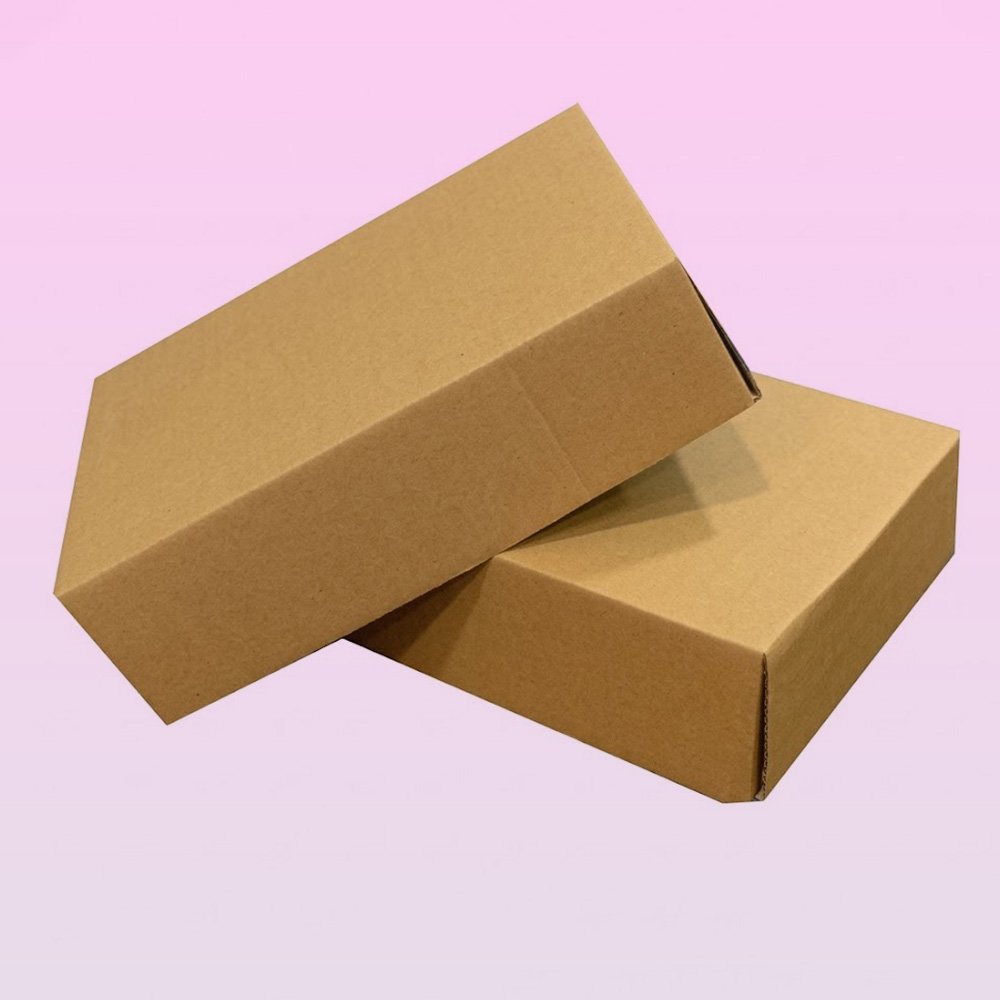
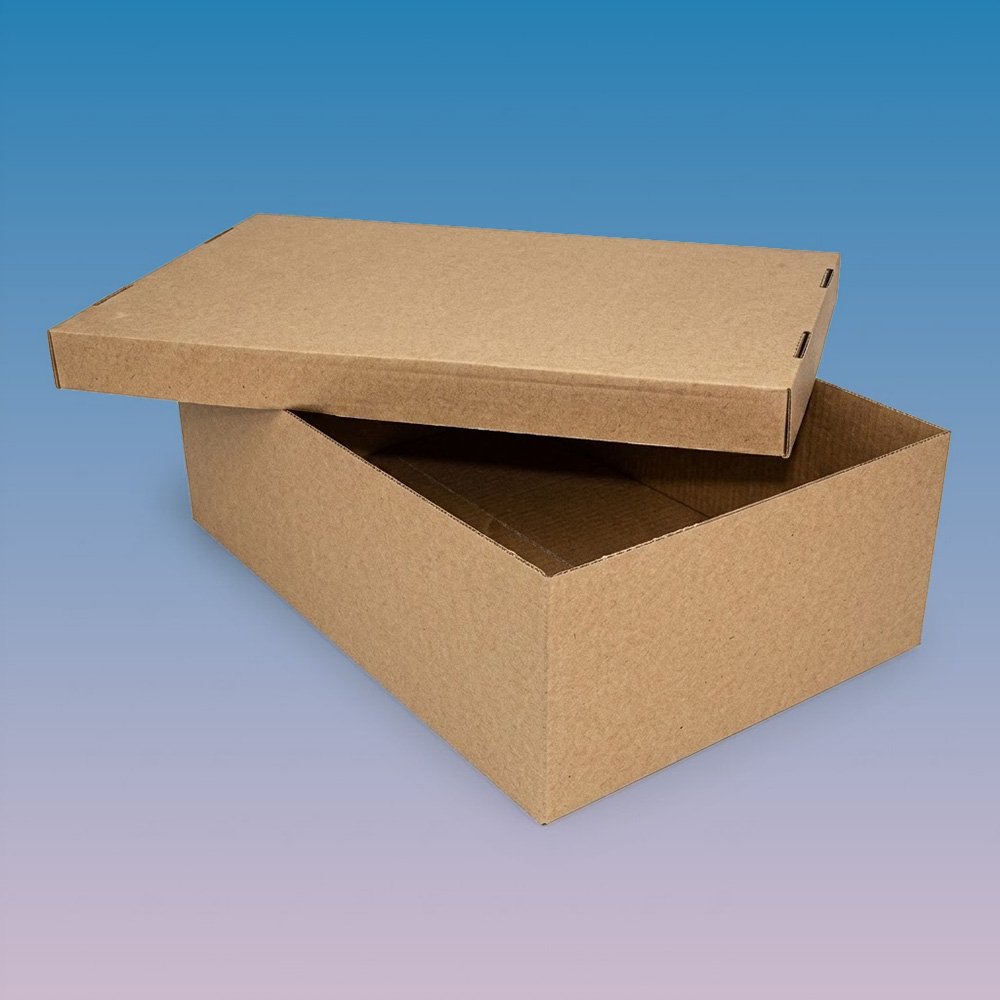
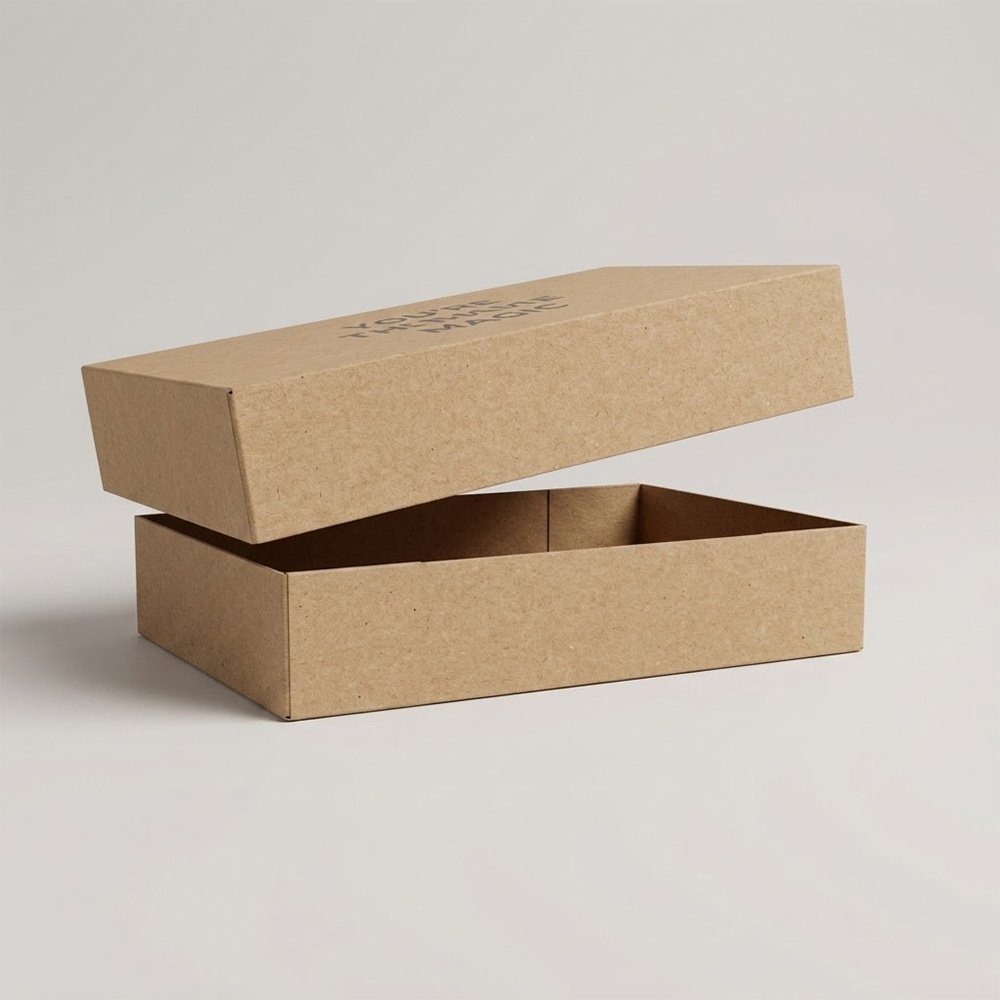
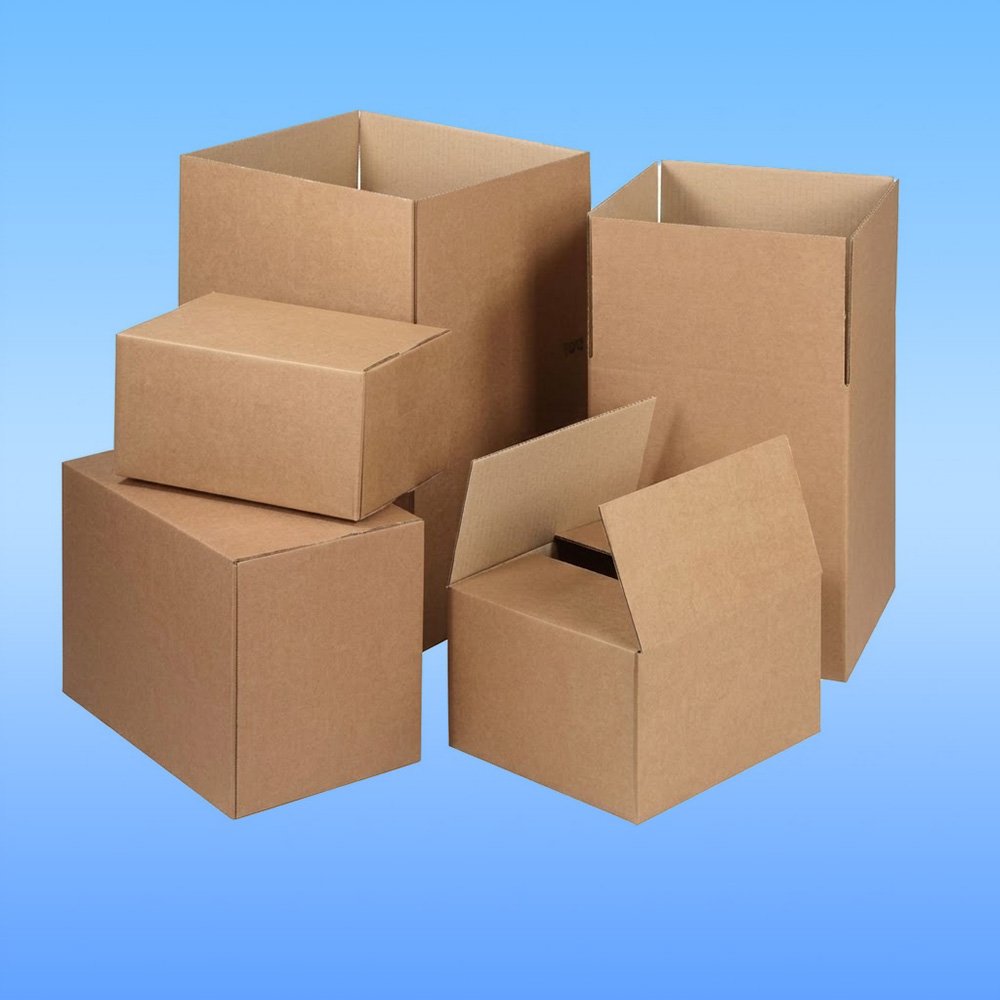

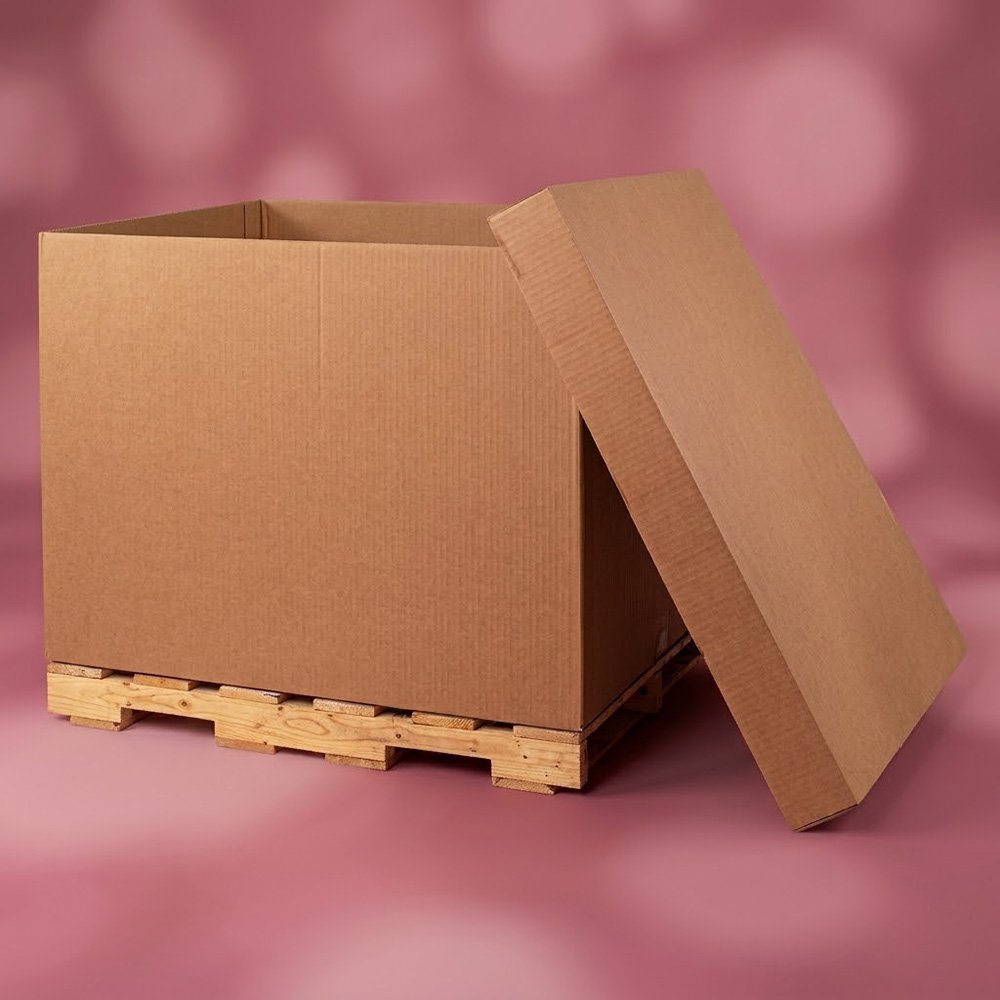
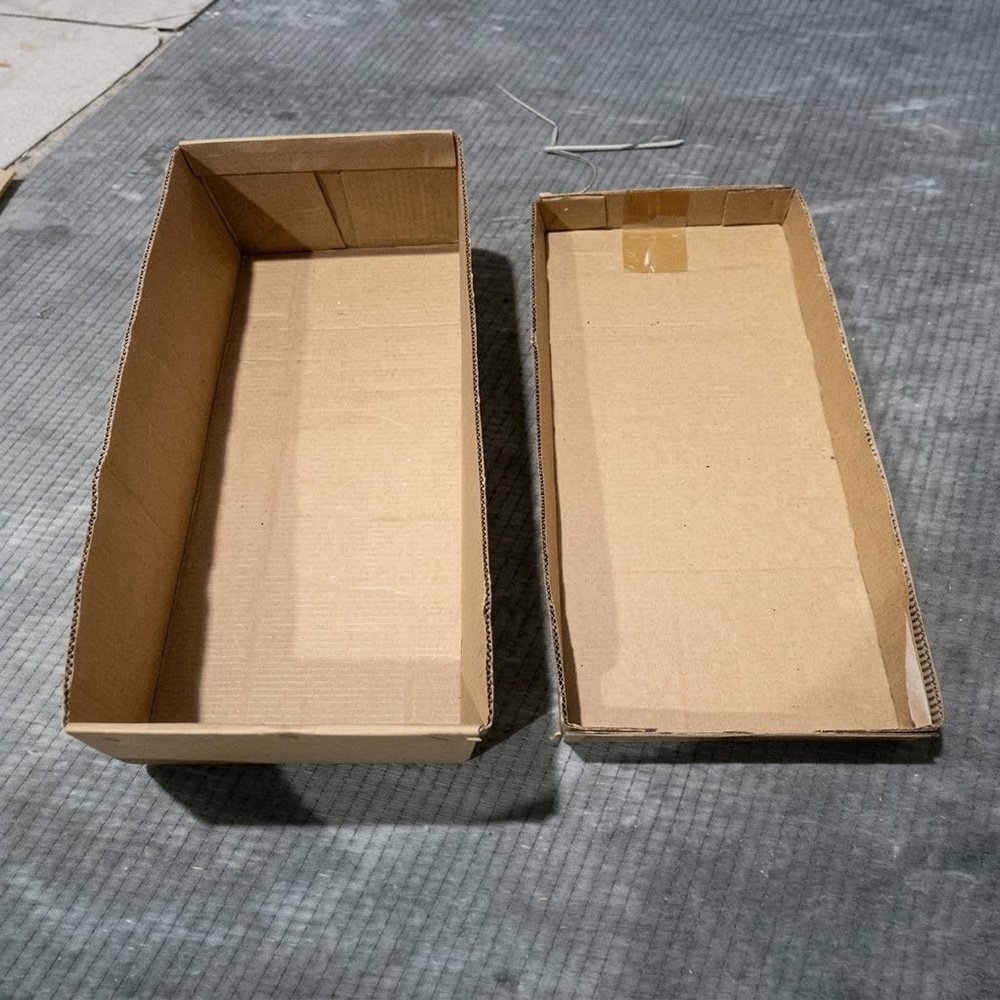



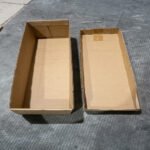
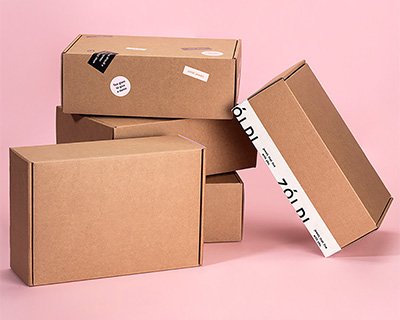
Most warehouse damage claims don't originate from the product itself; they stem from a box whose top flaps never quite meet in the middle. Hale Path Packaging builds top and bottom corrugated boxes that UK warehouses and e-commerce brands turn to when the flaps genuinely need to close flush, not just fold over and hope for the best, the kind of reliable shipping cartons a busy distribution line actually needs.
















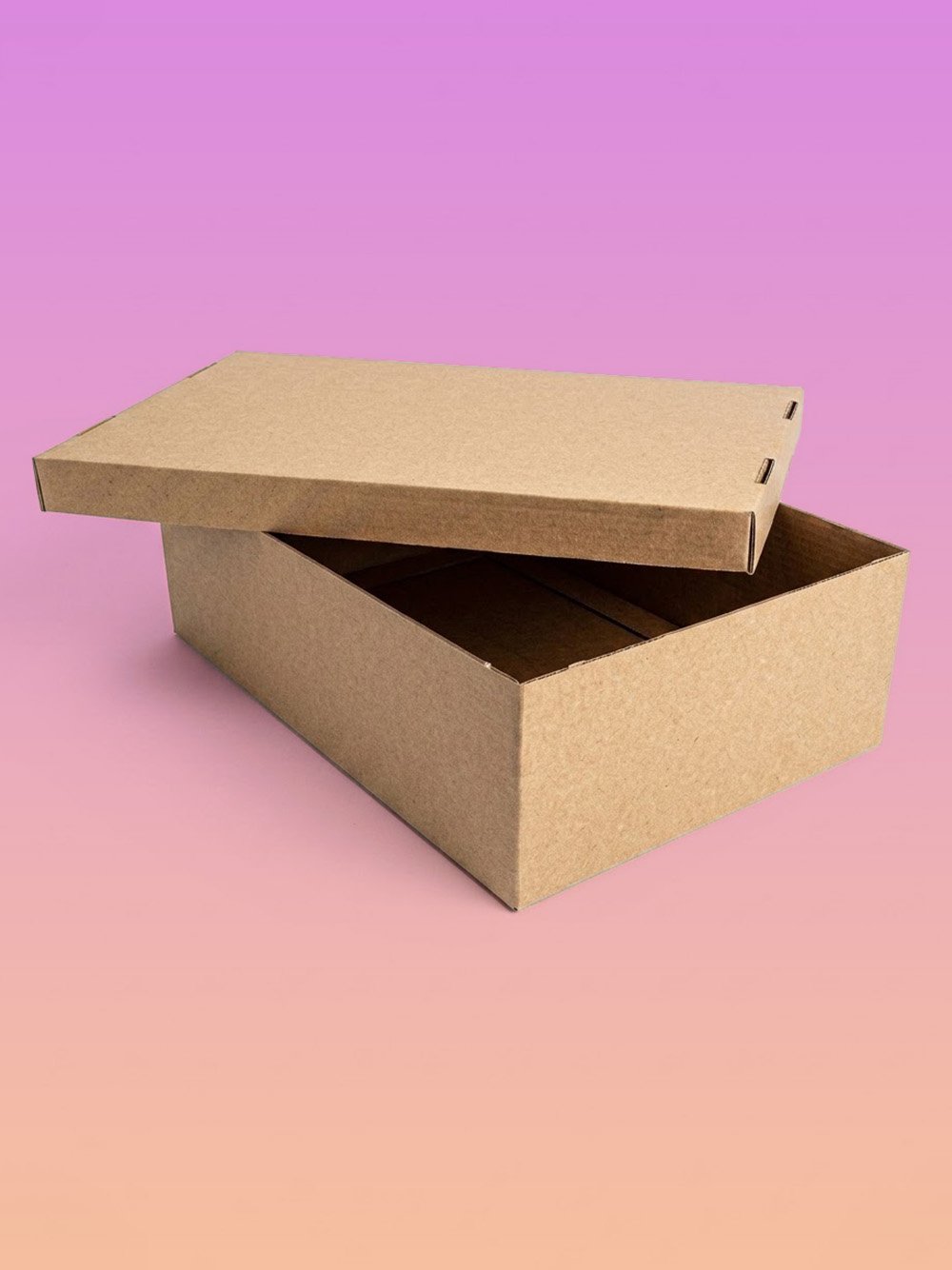
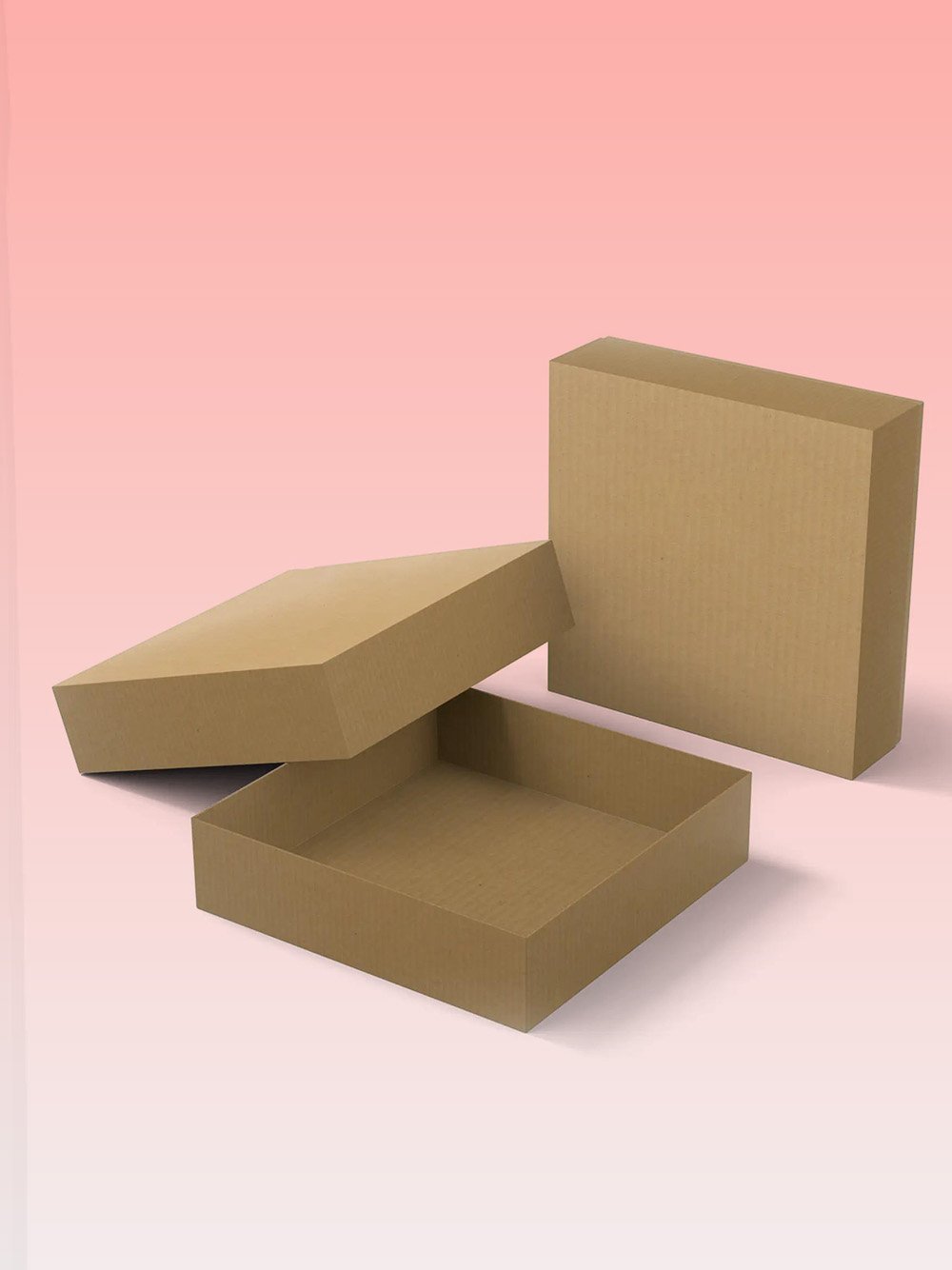
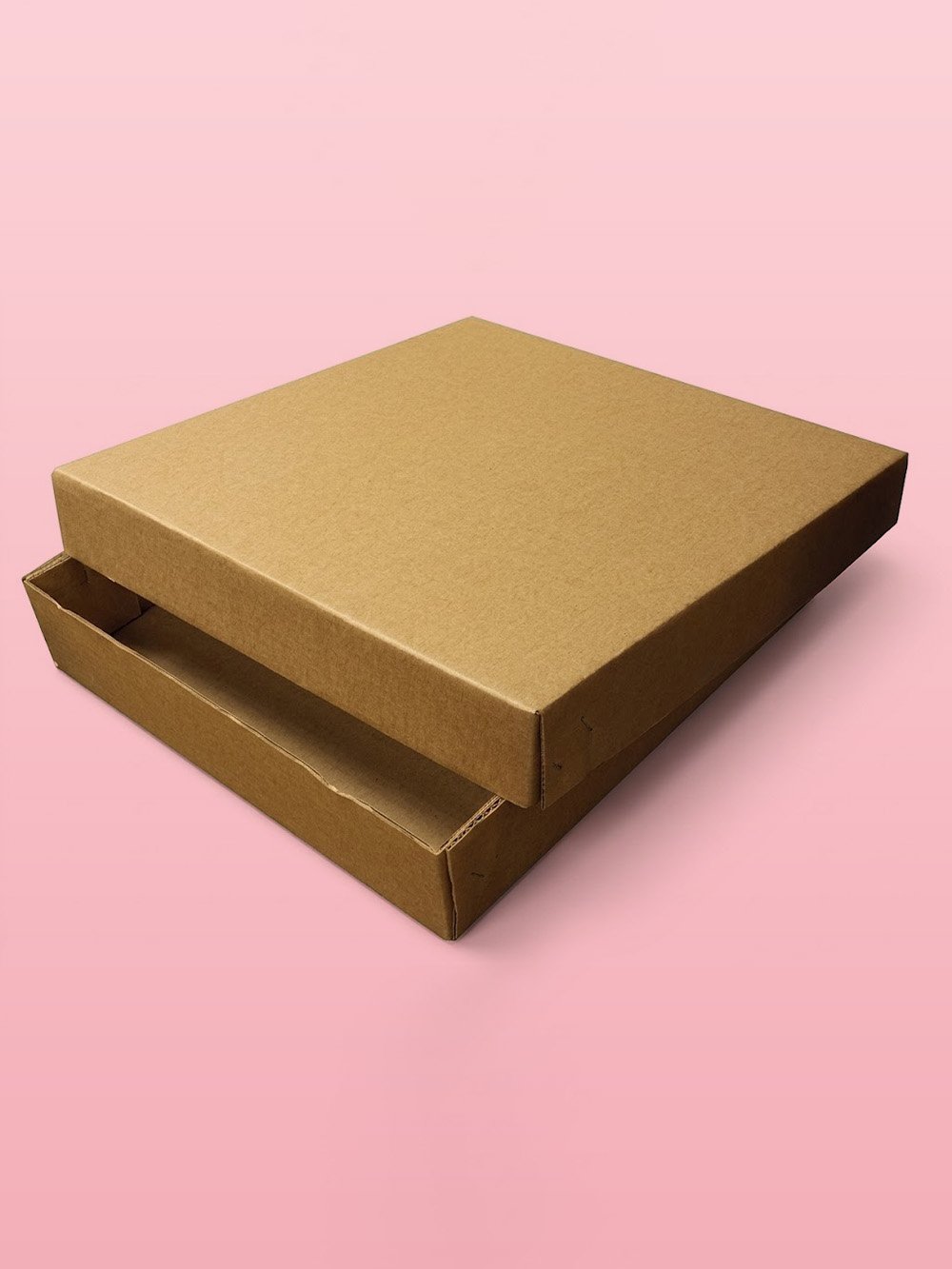
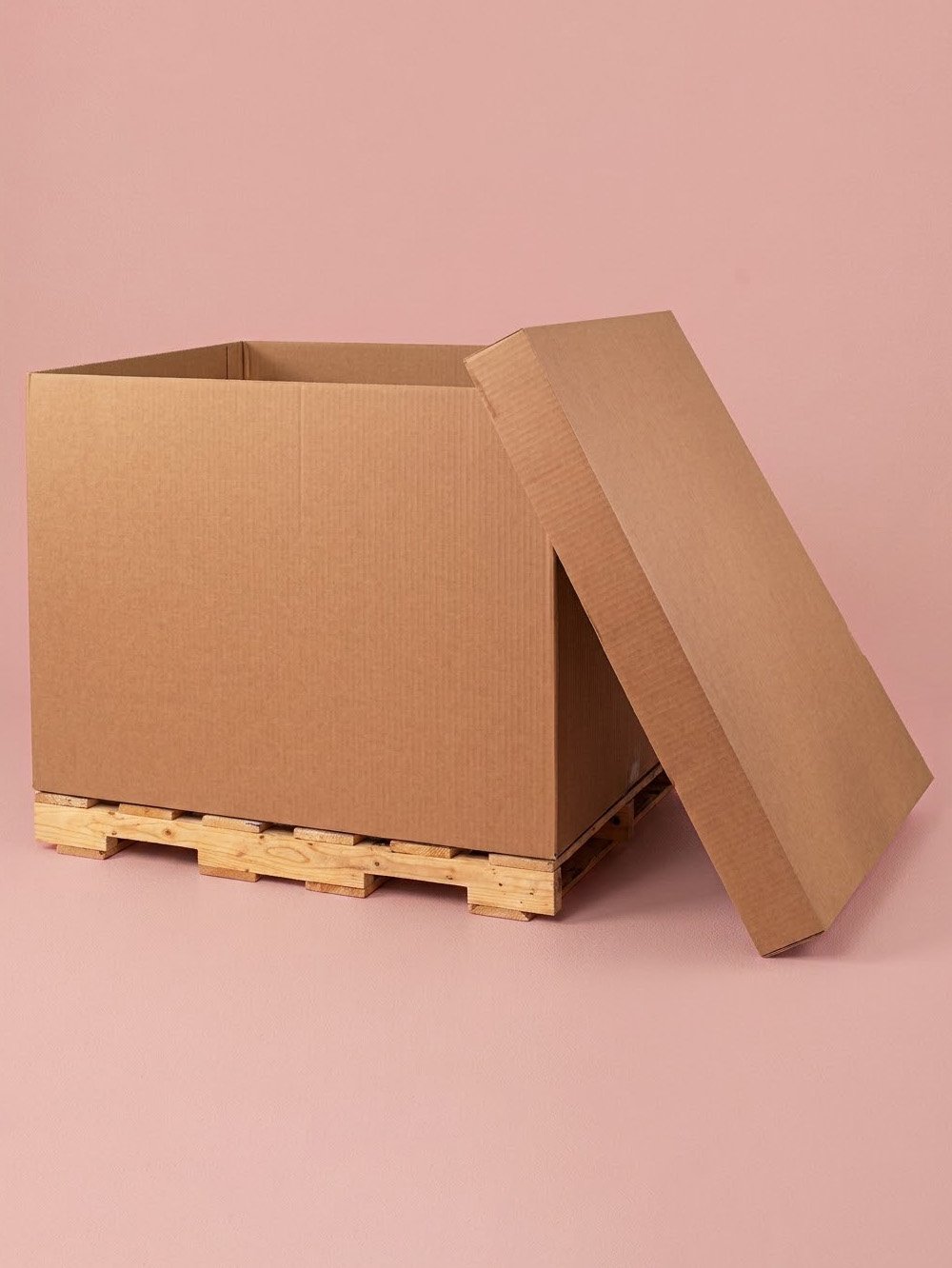
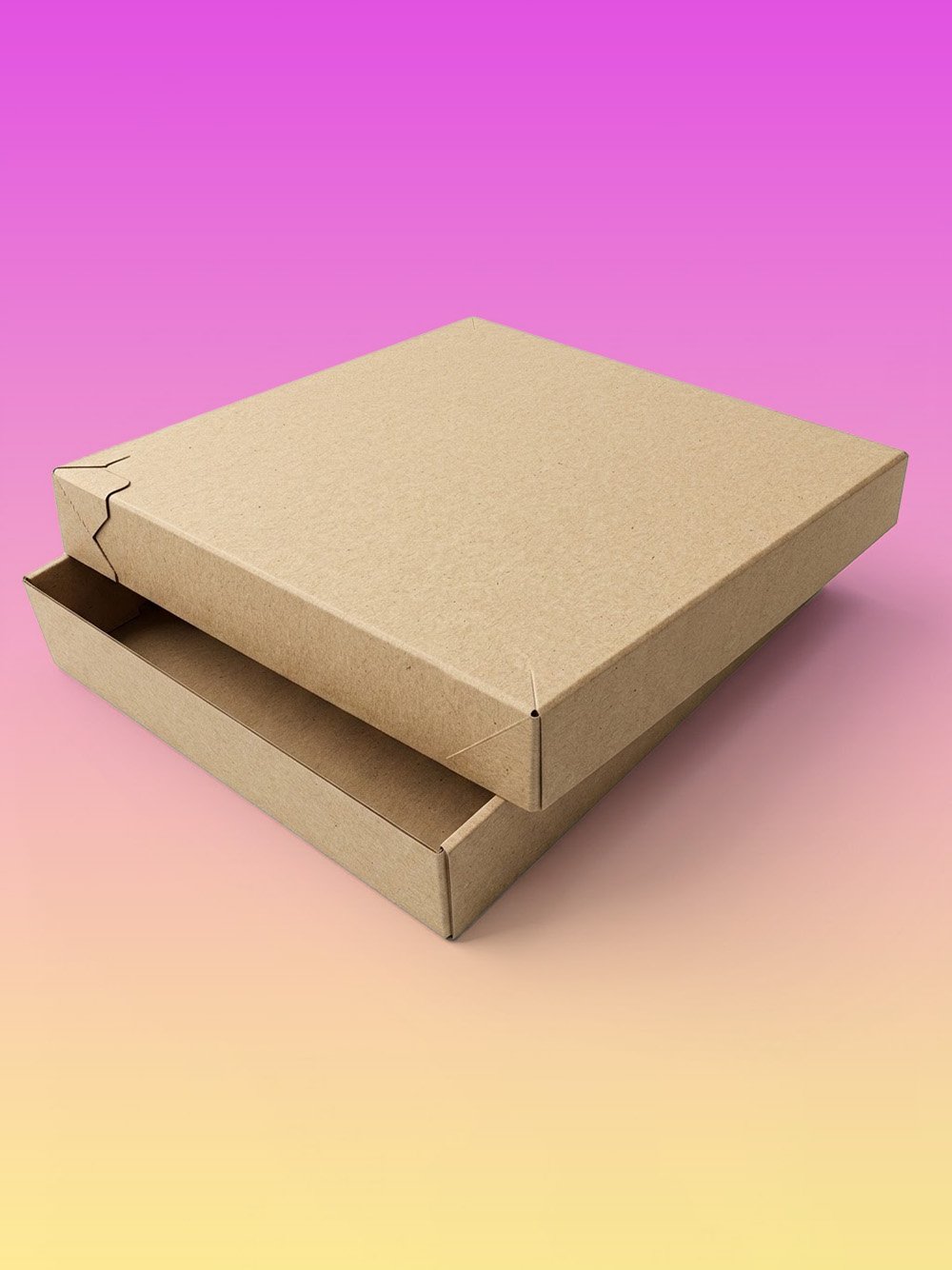
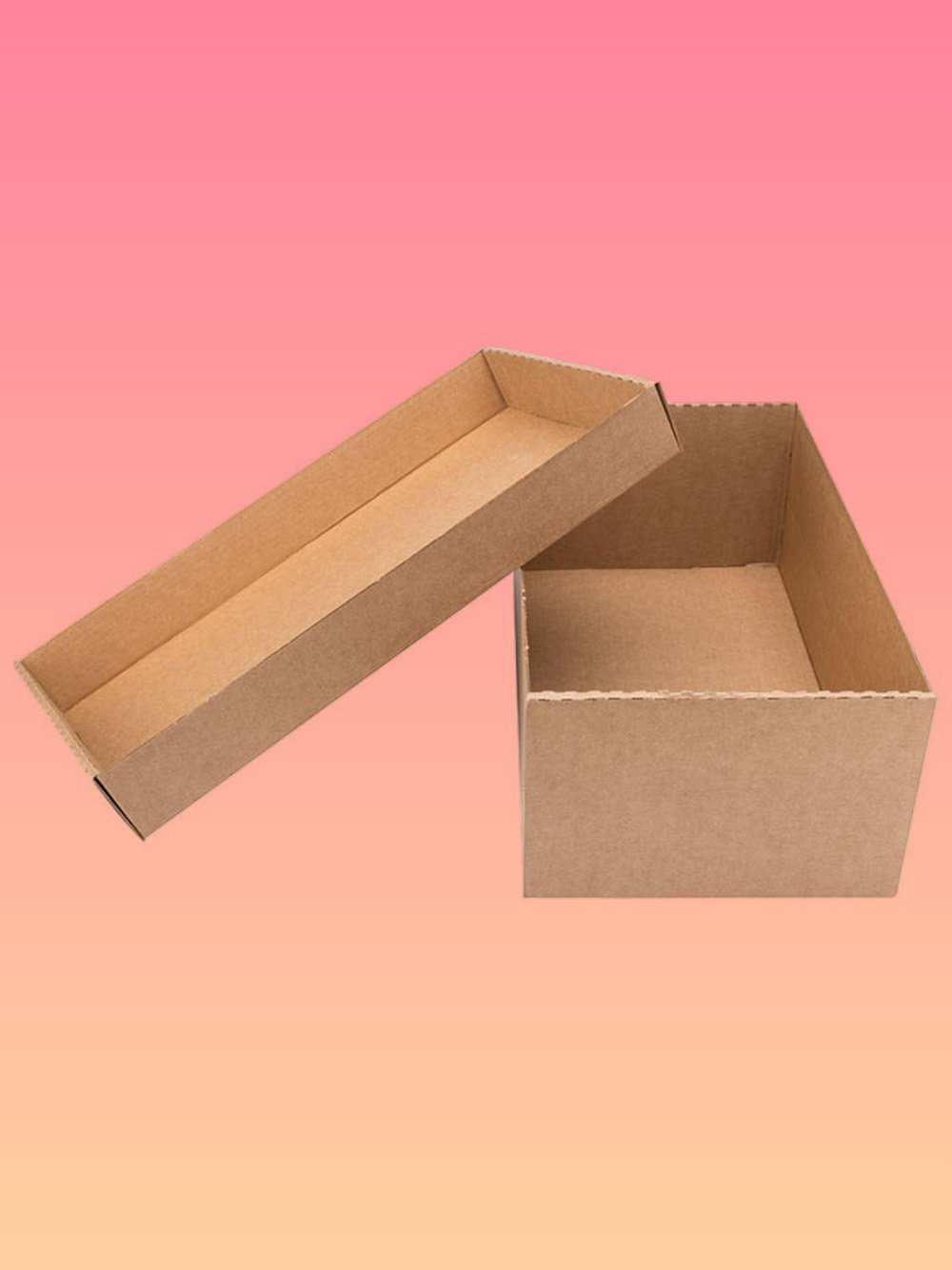
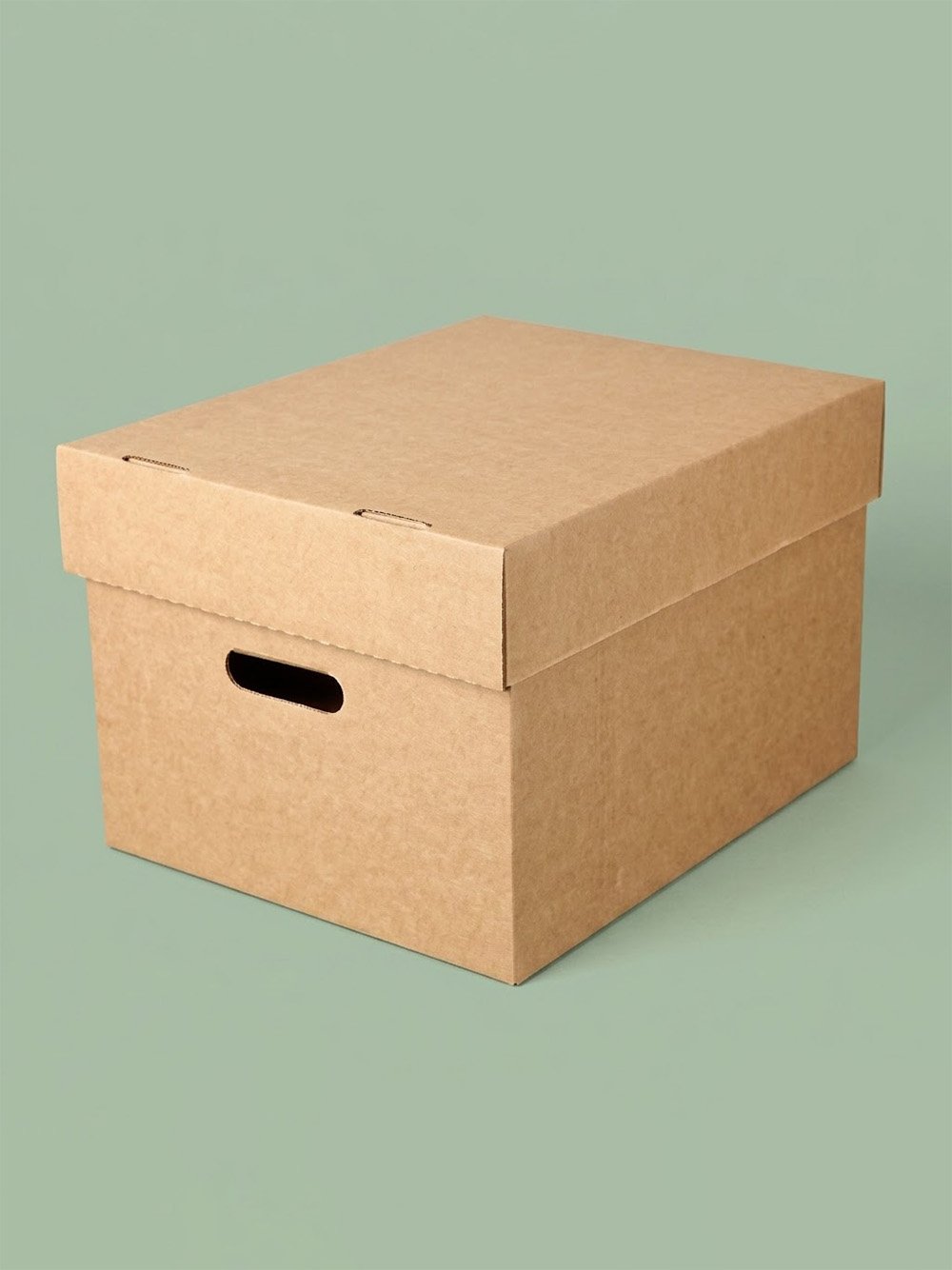
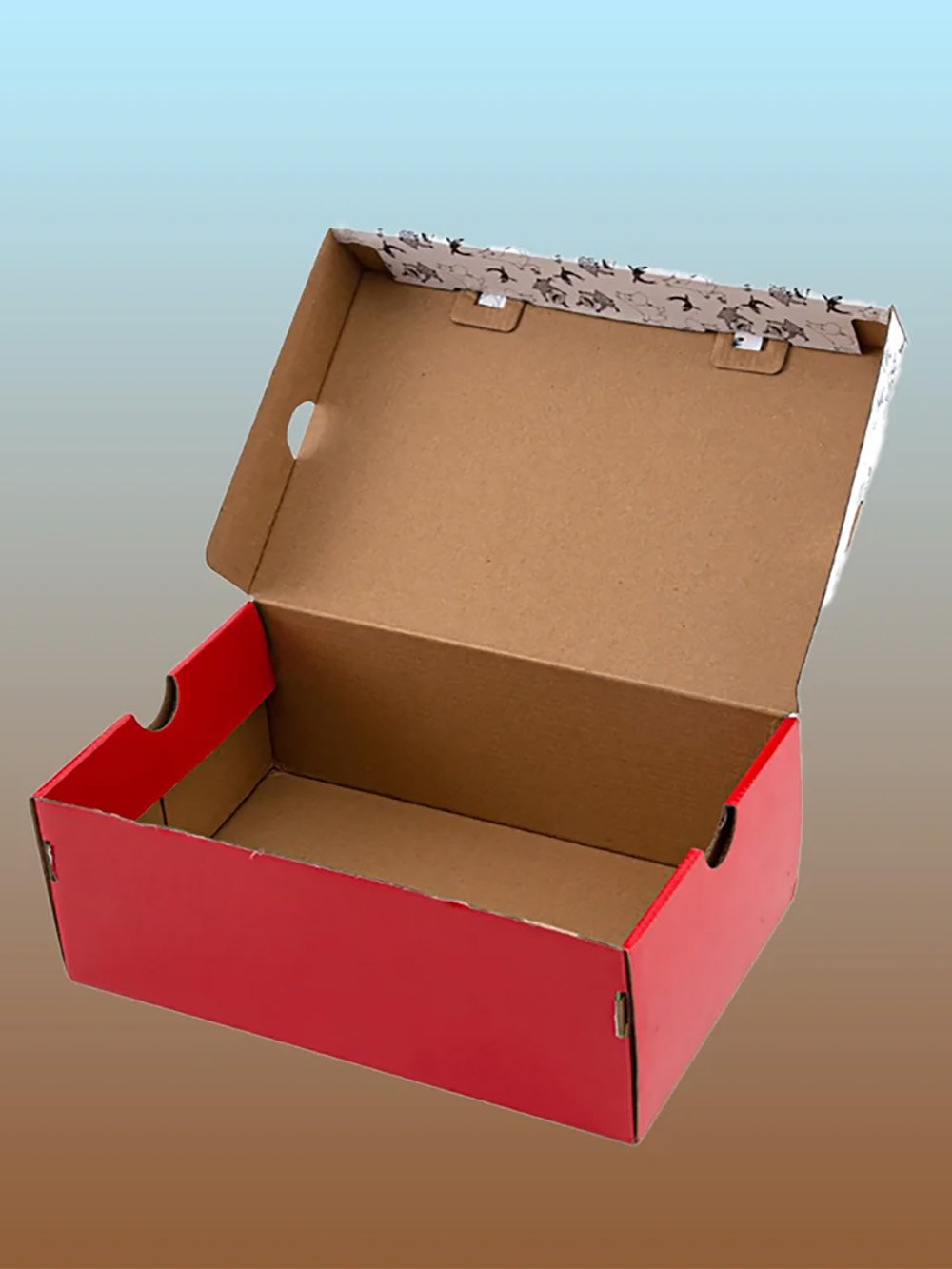
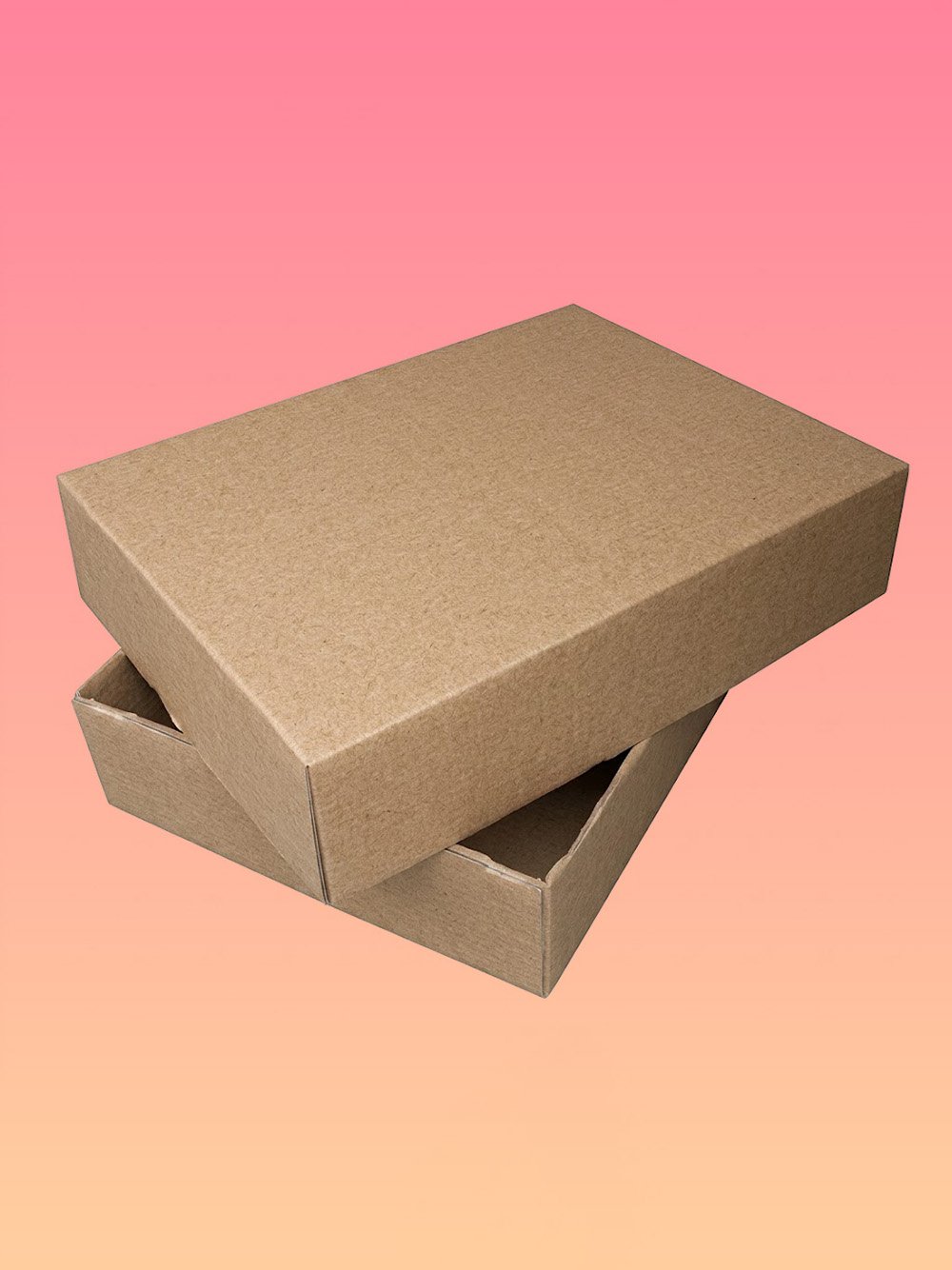
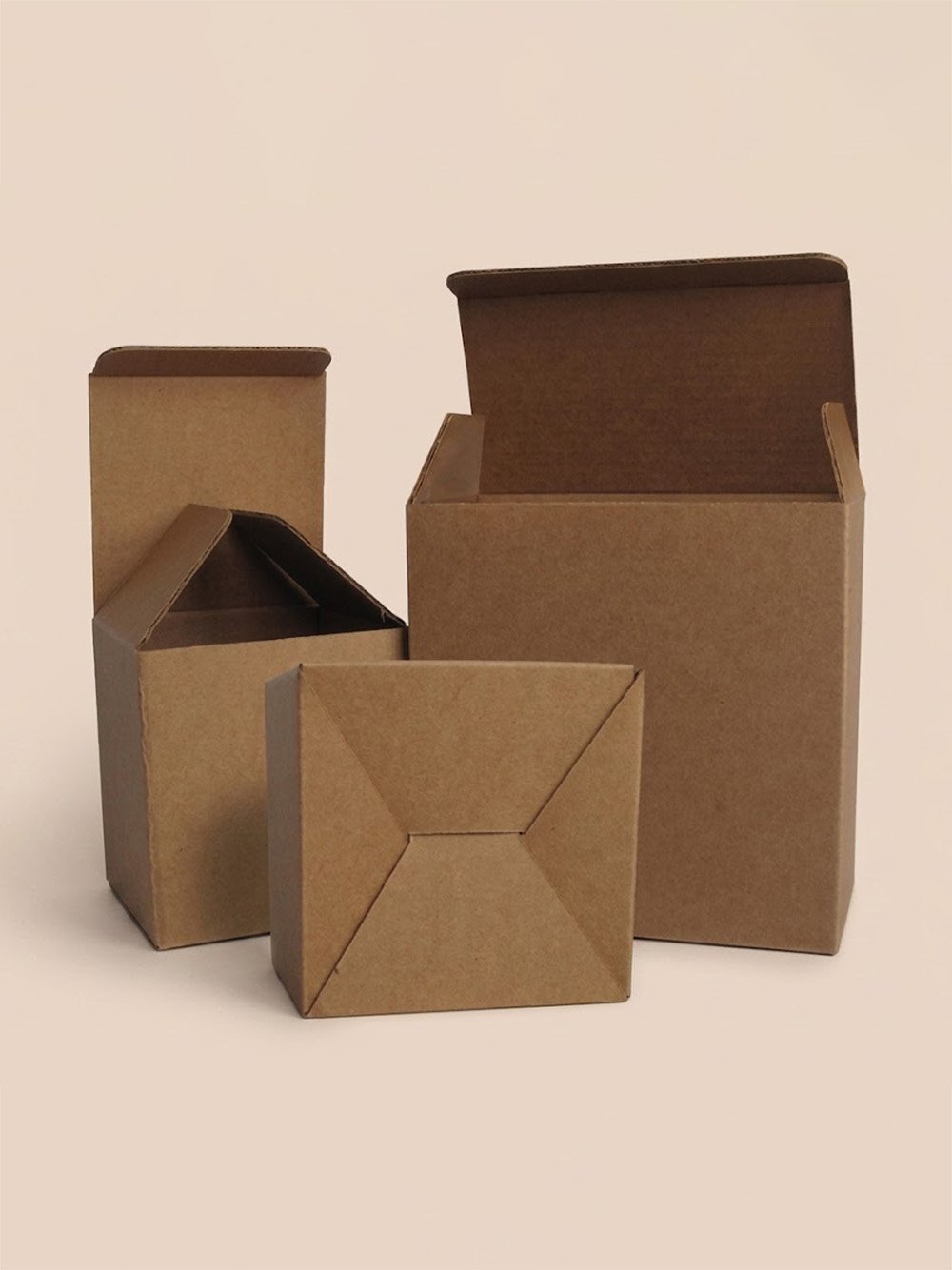
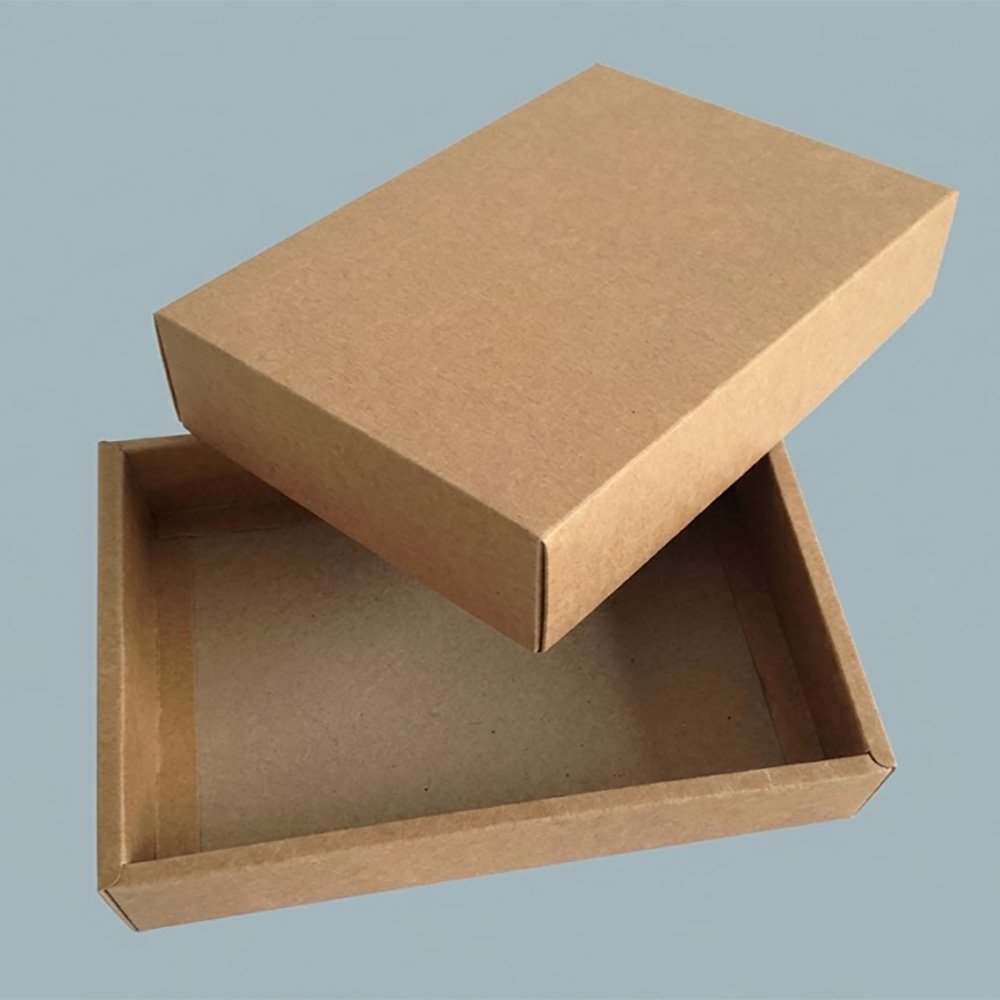
Why do some corrugated boxes survive a full pallet stack while others crush at the corners within weeks? Usually, it comes down to something that looked fine on the packing line but wasn’t actually doing its job. Top and bottom corrugated boxes, what most people would call a Regular Slotted Container, have four flaps on the top and four on the bottom, meeting cleanly at the centre seam when assembled correctly. That full coverage is what gives the corrugated mailer box its strength under stacking weight, spreading the load evenly rather than concentrating it wherever a gap happens to sit, the basic principle behind solid top and bottom corrugated boxes.
A homeware distributor shipping out of Sheffield was running standard slotted boxes for years with no real complaints until order volume scaled up and the top and bottom Corrugated boxes started getting double- and triple-stacked in transit more often. Damage claims crept up, and the cause was traced back to flap coverage; the existing boxes had a centre gap where the flaps weren’t quite meeting, which meant stacking weight was landing unevenly. Switching to a properly specified top and bottom structure with correctly sized flaps closed that gap, and damage claims on stacked pallets dropped within the next two shipment cycles, a clear case of transit damage prevention coming down to flap geometry rather than board thickness.
Get Custom Quote
Getting a box to look fine flat on a bench is easy. Getting it to survive a pallet stack three high in a warehouse in Leeds or a delivery van in Bristol is a different problem entirely, and that’s where flap specification actually matters. Every corrugated packaging we produce gets its flap dimensions calculated against the case size first, since undersized flaps are the single biggest reason stacking strength falls short of what the flute grade should deliver. We work with distributors, e-commerce brands, and manufacturers across the UK who need warehouse storage boxes and shipping cartons that perform the same on day one as they do after a long-haul delivery.
Hale Path Packaging delivered outstanding service with quality pouches. Their printing precision and timely delivery exceeded expectations. Highly skilled team ensuring packaging needs were met correctly.

We received packaging solutions from Hale Path Packaging. The box designs were strong and the printing perfect. Their commitment to quality and deadlines made the experience loyal.

Hale Path Packaging delivered exceptional packaging products. The boxes were durable, printing was clear, and their team provided reliable service with outstanding communication and timely fulfilment.
Service from Hale Path Packaging. The packaging was well printed, and delivery was on time. Their practice and customer service made the total process efficient. recommended.
Hale Path Packaging exceeded expectations with their packaging solutions. The printing on the boxes was deep, and their team provided timely delivery with communication the project.

Hale Path Packaging offered exceptional packaging services. I ordered 10,000 boxes for my startup; amazing service. Boosted my brand within days. Their team was professional.

Hale Path Packaging delivered high-quality packaging materials with perfect printing. Their attention to detail and deadlines made them a trustworthy partner. Our customer was really satisfied.
Outstanding experience with Hale Path Packaging. Their packaging solutions were durable, beautifully printed, and delivered on time. The team was responsive and ensured a happy order.

Hale Path Packaging impressed us with their boxes and pouches. The printing was perfect, materials were durable, and their team handled everything efficiently with excellent service.
They provided reliable and high-quality packaging solutions. The boxes and pouches were well-designed, printed perfectly, and delivered on schedule with excellent customer support throughout for brands.
Hale Path Packaging delivered unique packaging products. The boxes were sturdy, printing was vibrant, and their attention to detail ensured products looked premium in the market.
Excellent packaging services by Hale Path Packaging. Their custom boxes were well-made, printing was clear, and their timely delivery helped us meet deadlines without any issues.

We highly recommend Hale Path Packaging. Their packaging quality was great, printing was flawless, and their team ensured delivery on time with great awareness of requirements.
Hale Path Packaging delivered quality packaging. The boxes and pouches were durable, printing was vibrant, and their excellent service made them a reliable choice for packaging needs.

Highly satisfied with Hale Path Packaging. Their packaging solutions were premium, printing was vibrant, and their high quality and customer happiness made them a trusted partner.

We needed custom boxes with a logo and food-safe window for our Eid cookies. They guided us on materials and delivered exactly what we wanted. Clients love the unboxing.
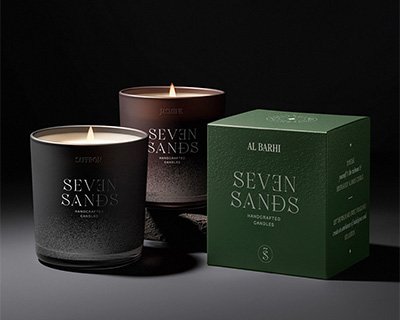
We wanted luxury but eco-friendly. They suggested recyclable rigid boxes with a frosted window and satin insert. Customers now post unboxing videos; that’s how good they look.
They helped us pick the right size, finish, and custom window shape. The boxes fit our brand perfectly, and the minimum order quantity was reasonable.
We ordered 2000 paths for our business. Turnaround time was fast, packaging was sturdy, and no damage during shipping. We’ve made them our go-to packaging partner.
Excellent services! They helped choose the right size, finish, and window shape. The boxes fit our brand, and the minimum order quantity was reasonable for business.
I am satisfied with my custom packaging boxes. The team was very cooperative and understood what we needed and delivered on time. happy with the result.
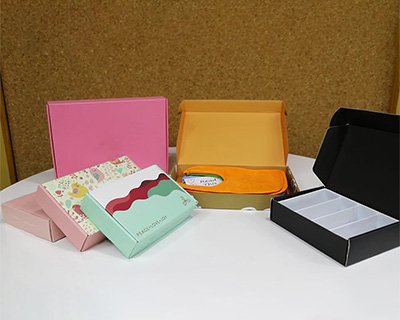
I ordered multiple boxes on my own demand. I am impressed by the finish and quality. They added a luxury look and feel to my product.

Fantastic experience! These boxes matched my expectations perfectly and significantly enhanced the brand presentation.
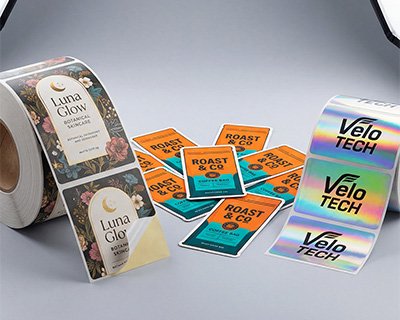
Hall Path Packaging provides packaging that perfectly fits our products, ensuring durability during shipping. High recommanded!
They're generally the same thing under two different names. RSC is the formal industry term, four flaps on top, four on bottom, meeting at the centre. "Top and bottom box" tends to be the more everyday way people describe the same structure.
That centre seam is doing most of the work when boxes get stacked. Gap there, and the corners take a beating instead of the weight going where it should, which is pretty much where you'll find the crushing starts.
Yes, as long as the flute and wall configuration is right for it. Double or triple wall with B or C-flute carries a lot more weight than your standard single wall E-flute, so really the spec should match what's actually going in rather than just picking whatever's cheapest.
Most standard RSC designs do need tape or a case sealer to actually hold the flaps shut. Self-locking versions are out there for lighter stuff, but if it's going onto a stacked pallet or a long shipping route, proper sealing's the safer bet rather than counting on the flaps to grip on their own.
B-flute is the common middle ground for most e-commerce parcels, strong enough for typical courier handling without adding unnecessary bulk or weight. Heavier or more fragile products usually move up to double wall, while very light, low-risk items can sometimes get away with E-flute alone.
Yes, plain corrugated board without plastic lamination recycles easily and tends to fall into a favourable banding under current PEPR ratings. Sticking with plain tape and skipping laminated finishes keeps that recycling path simple.
Just send over your product dimensions, the expected weight, and a rough idea of how they'll be handled, stacked, shipped, stored long term, whatever applies. We'll get back to you with flute and wall recommendations, then pricing based on the volume you need.