Oliver Smith
Hale Path Packaging delivered outstanding service with quality pouches. Their printing precision and timely delivery exceeded expectations. Highly skilled team ensuring packaging needs were met correctly.

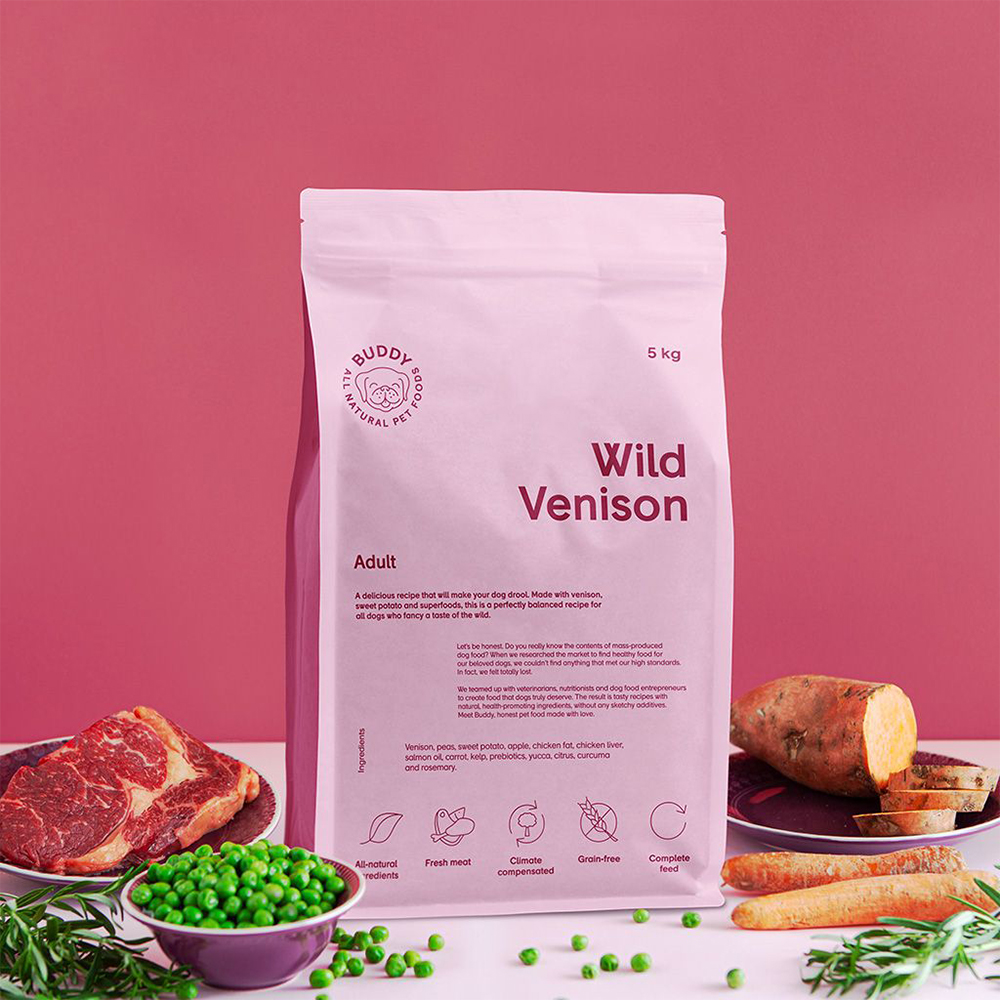


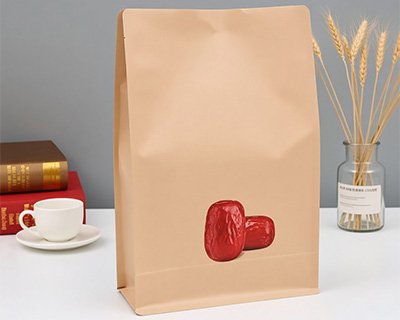
Kraft flat bottom food pouches trade printed-film barrier for a paper-forward finish that reads eco-friendly at first glance, standing upright on a squared base rather than a rounded gusset. Hale Path Packaging supplies these in kraft, white-coated, and mono-material builds, alongside our kraft tuck boxes for buyers weighing paper against film.








A kraft flat bottom food pouch is built from a paper outer layer bonded to an inner barrier film, folded into a rectangular base so the pack stands upright without a plastic or foil shell showing on the outside. Buyers choosing this format are usually trading some barrier performance for a paper-forward look that reads as eco-friendly at point of sale, an angle explored further in our mono polypropylene retort pouches range. The base panel takes the full weight of the fill once the pouch is loaded, so paper weight and grain at that fold matter more here than they do on a film or foil equivalent. Is a kraft flat bottom pouch food-safe straight out of the box? Yes, the inner liner is food-contact approved, so no additional bagging or wrapping is needed for dry or low-oil products.
Paper fibres run in one dominant direction, the machine direction developed during manufacture, and a sheet folds purely along that direction but tears efficiently across it. On a flat bottom pouch, the base crease has to hold under fill weight and handling, so if the roll is oriented with grain running the wrong way against that fold, the corner is the first place it gives. In our retail packaging boxes UK, base panels cut with grain running perpendicular to the fold held square through repeated load-drop testing, while the same GSM cut with grain parallel to the fold split at the corner within days of stacking.
Get Custom Quote
Ink sits differently on kraft stock than on film, since the paper’s natural texture softens sharp edges and flattens gloss something worth planning for at the artwork stage rather than fixing after proofing and it ties directly into pillow boxes’ UK conclusions across a wider range. Grain direction also affects how cleanly a spot-UV or foil-block finish sits across the base fold, since print applied across the grain on a bend is more prone to flaking than print running with it. Matte kraft, white painted kraft, and semi-gloss laminate are the three finish routes buyers select between for this structure. Does printing weaken the base fold on a kraft pouch? No, as long as heavy ink coverage or foil-blocking is kept clear of the fold line itself, standard print does not affect fold strength.
Hale Path Packaging sources kraft paper for flat bottom food pouches to current UK food-contact packaging regulations, and every new paper specification goes through in-house grain-direction and base-fold load testing before it’s approved for a production run. That check exists because a routine audit once caught a grain mismatch before it reached a live order: cross-cut samples from a roll oriented the wrong way failed load-drop testing at the base fold, while the same GSM cut with grain running perpendicular to the fold passed cleanly. Grain-direction verification is now a standard step on every new kraft specification, not an occasional spot-check. From a 100-unit minimum order, our corrugated mailer boxes UK covers both virgin and recycled kraft stock depending on the sustainability claim you need to make.
Explore our related packaging formats:Bronzer boxes UK , Cosmetic Gift Boxes UK,Custom Sleeve Boxes UK.
Get Custom Quote
Hale Path Packaging delivered outstanding service with quality pouches. Their printing precision and timely delivery exceeded expectations. Highly skilled team ensuring packaging needs were met correctly.
We received packaging solutions from Hale Path Packaging. The box designs were strong and the printing perfect. Their commitment to quality and deadlines made the experience loyal.
Hale Path Packaging delivered exceptional packaging products. The boxes were durable, printing was clear, and their team provided reliable service with outstanding communication and timely fulfilment.
Service from Hale Path Packaging. The packaging was well printed, and delivery was on time. Their practice and customer service made the total process efficient. recommended.
Hale Path Packaging exceeded expectations with their packaging solutions. The printing on the boxes was deep, and their team provided timely delivery with communication the project.
Hale Path Packaging offered exceptional packaging services. I ordered 10,000 boxes for my startup; amazing service. Boosted my brand within days. Their team was professional.
Hale Path Packaging delivered high-quality packaging materials with perfect printing. Their attention to detail and deadlines made them a trustworthy partner. Our customer was really satisfied.
Outstanding experience with Hale Path Packaging. Their packaging solutions were durable, beautifully printed, and delivered on time. The team was responsive and ensured a happy order.
Hale Path Packaging impressed us with their boxes and pouches. The printing was perfect, materials were durable, and their team handled everything efficiently with excellent service.
They provided reliable and high-quality packaging solutions. The boxes and pouches were well-designed, printed perfectly, and delivered on schedule with excellent customer support throughout for brands.
Hale Path Packaging delivered unique packaging products. The boxes were sturdy, printing was vibrant, and their attention to detail ensured products looked premium in the market.
Excellent packaging services by Hale Path Packaging. Their custom boxes were well-made, printing was clear, and their timely delivery helped us meet deadlines without any issues.
We highly recommend Hale Path Packaging. Their packaging quality was great, printing was flawless, and their team ensured delivery on time with great awareness of requirements.
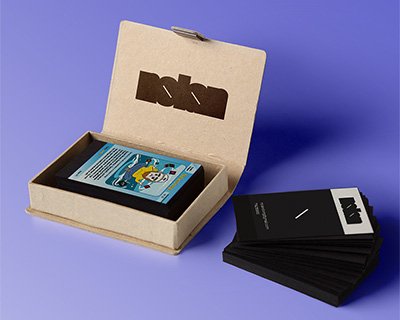
Hale Path Packaging delivered quality packaging. The boxes and pouches were durable, printing was vibrant, and their excellent service made them a reliable choice for packaging needs.
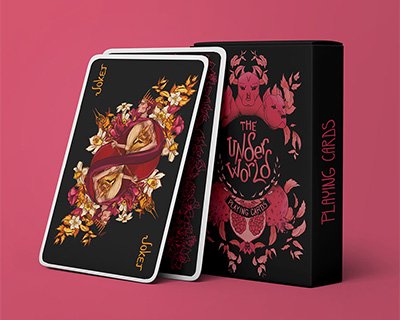
Highly satisfied with Hale Path Packaging. Their packaging solutions were premium, printing was vibrant, and their high quality and customer happiness made them a trusted partner.
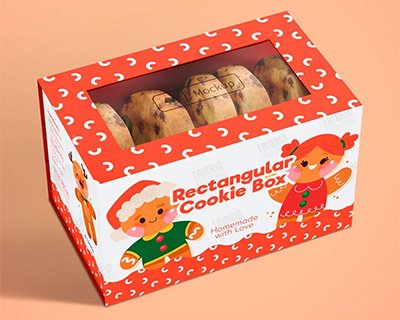
We needed custom boxes with a logo and food-safe window for our Eid cookies. They guided us on materials and delivered exactly what we wanted. Clients love the unboxing.
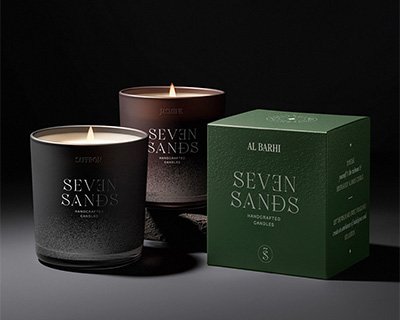
We wanted luxury but eco-friendly. They suggested recyclable rigid boxes with a frosted window and satin insert. Customers now post unboxing videos; that’s how good they look.
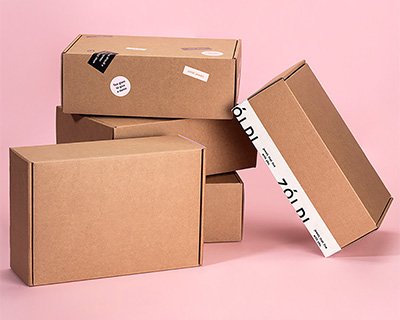
They helped us pick the right size, finish, and custom window shape. The boxes fit our brand perfectly, and the minimum order quantity was reasonable.
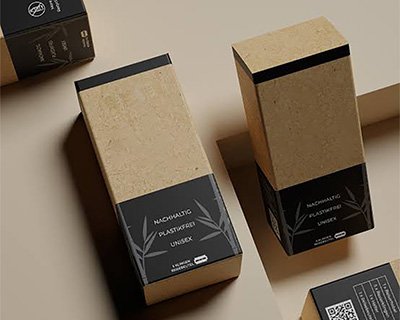
We ordered 2000 paths for our business. Turnaround time was fast, packaging was sturdy, and no damage during shipping. We’ve made them our go-to packaging partner.
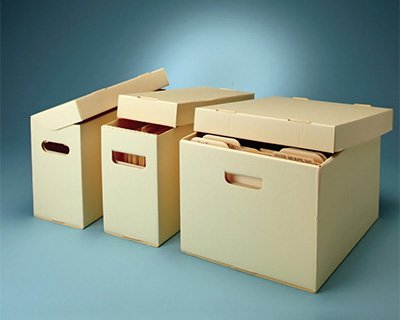
Excellent services! They helped choose the right size, finish, and window shape. The boxes fit our brand, and the minimum order quantity was reasonable for business.
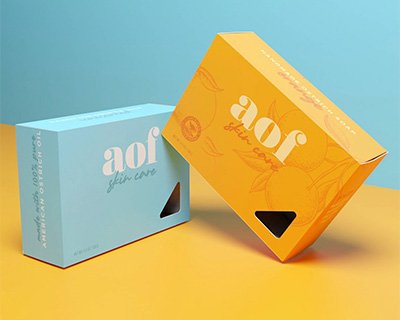
I am satisfied with my custom packaging boxes. The team was very cooperative and understood what we needed and delivered on time. happy with the result.
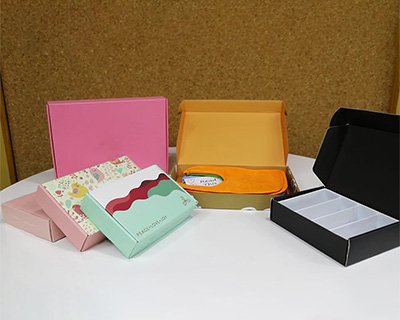
I ordered multiple boxes on my own demand. I am impressed by the finish and quality. They added a luxury look and feel to my product.
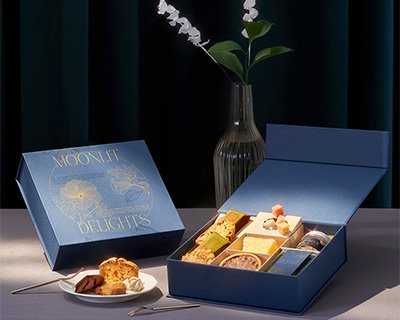
Fantastic experience! These boxes matched my expectations perfectly and significantly enhanced the brand presentation.
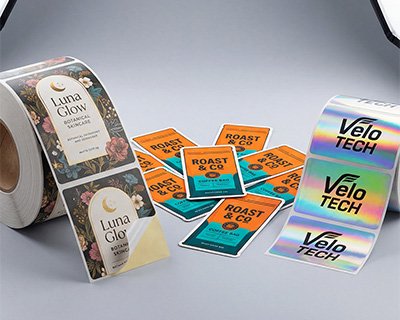
Hall Path Packaging provides packaging that perfectly fits our products, ensuring durability during shipping. High recommanded!
What is inside a kraft flat bottom pouch besides the paper? Most food-grade versions use a thin inner PE or compostable liner bonded to the paper for heat sealing and basic vapour opposition. What does grain direction mean for paper packaging? It is the dominant direction paper fibres run in during manufacture; paper folds cleanly with the grain and tears smoothly across it. Kraft paper vs aluminium foil: which works a flat bottom pouch excellently? Kraft paper delivers a realistic, reclaimed reading finish; foil provides a stronger oxygen and vapour barrier, so the selection relies on frame life required versus sustainability positioning. Kraft flat bottom pouches vs kraft stand-up pouches: what changes? The flat bottom arrangement has a squared, box-like base that holds collection weight; a stand-up pouch relies on an oval gusset that rounds out over time. What GSM should I select for my product? Lighter supplies like tea or small snack portions fit 60-70 GSM; denser fills like baking mixes or pet treats are sufficiently matched to 80-90 GSM for base-fold durability. What EPR obligations apply to kraft pouches sold in the UK? Brands placing this packaging on the UK market must report the paper and liner material data under Extended Producer Responsibility rules. Is kraft paper packaging accepted under UK household recycling collection? Plain kraft paper is accepted where the inner liner is separated; laminated structures with a connected plastic liner always require a specialist path instead. What is the sustainability trade-off between kraft paper and foil? Kraft paper reads as more reusable and lower crash at a peek, but a laminated liner can confuse true end-of-life reclamation in the same way foil does.