

Chloe Walker
Excellent services! They helped us pick the right size, finish, and custom window shape. The boxes fit our brand perfectly, and the minimum order quantity was very reasonable for a new business.

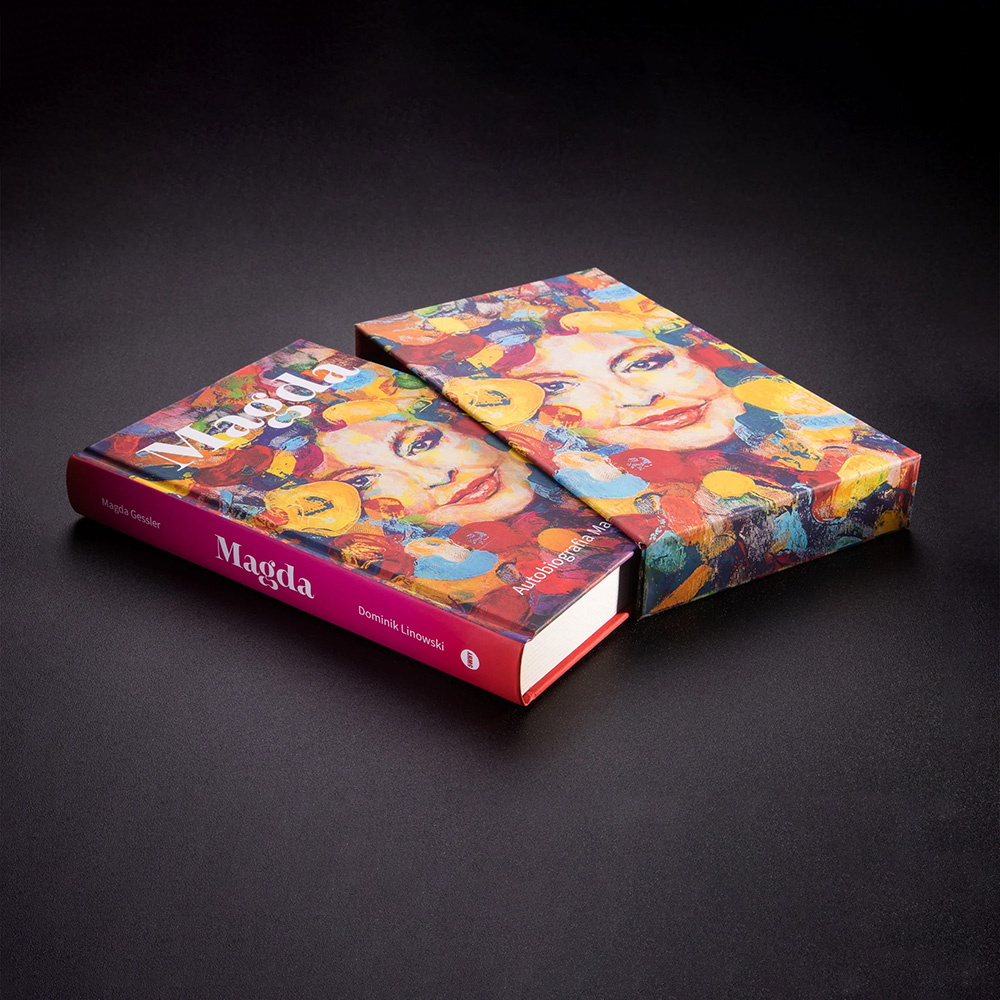



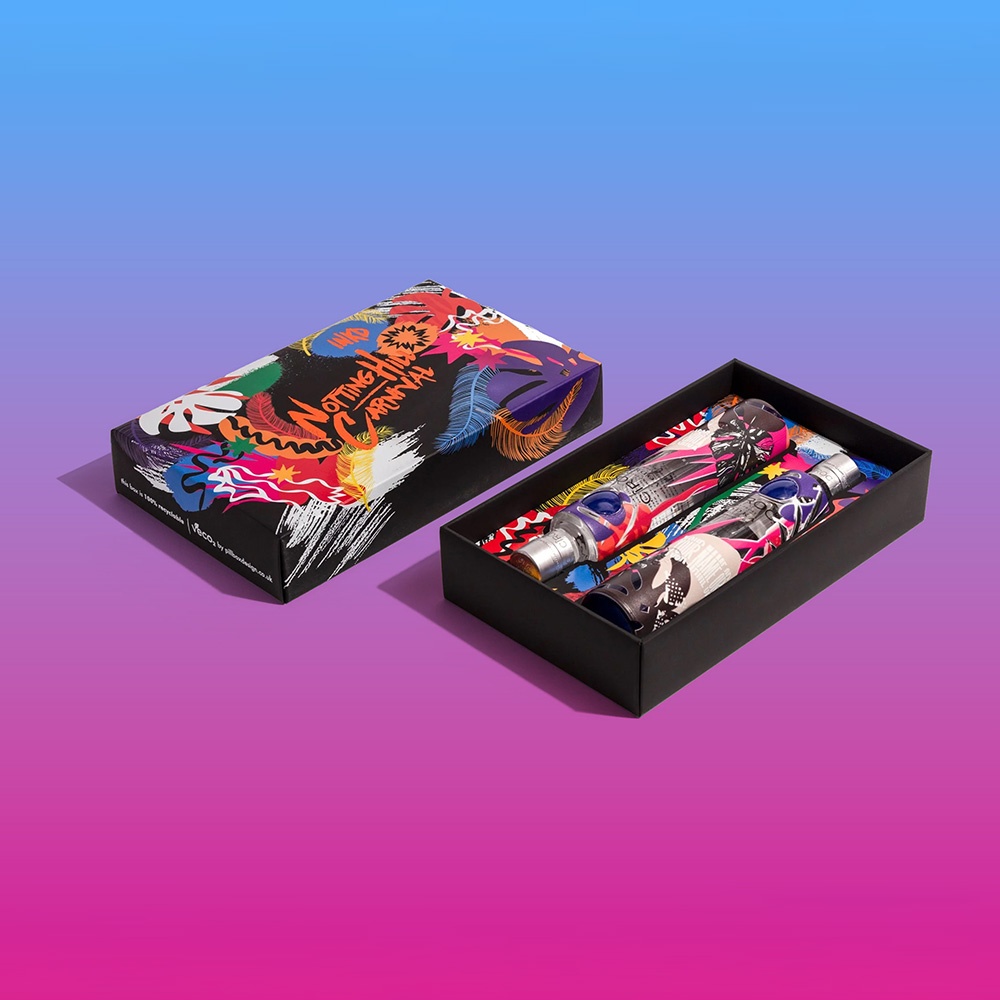


A slipcase rigid box is a two-piece structure - a sturdy inner tray that slides into a matching outer sleeve, rather than a lid that hinges or lifts off. Hale Path Packaging manufactures custom slipcase boxes UK-wide, built against a confirmed dieline before production, for a glide fit that holds up through repeated handling.


















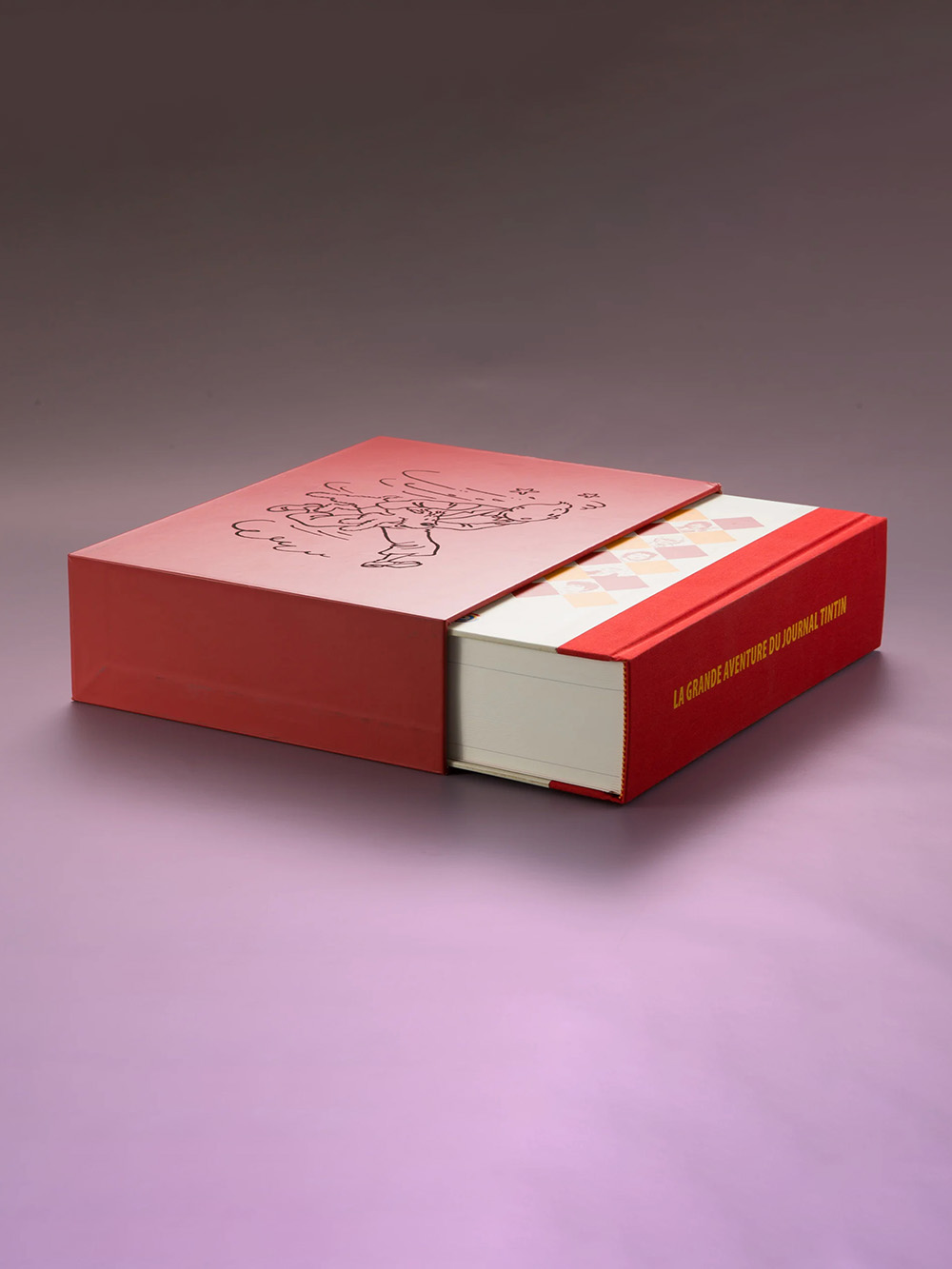
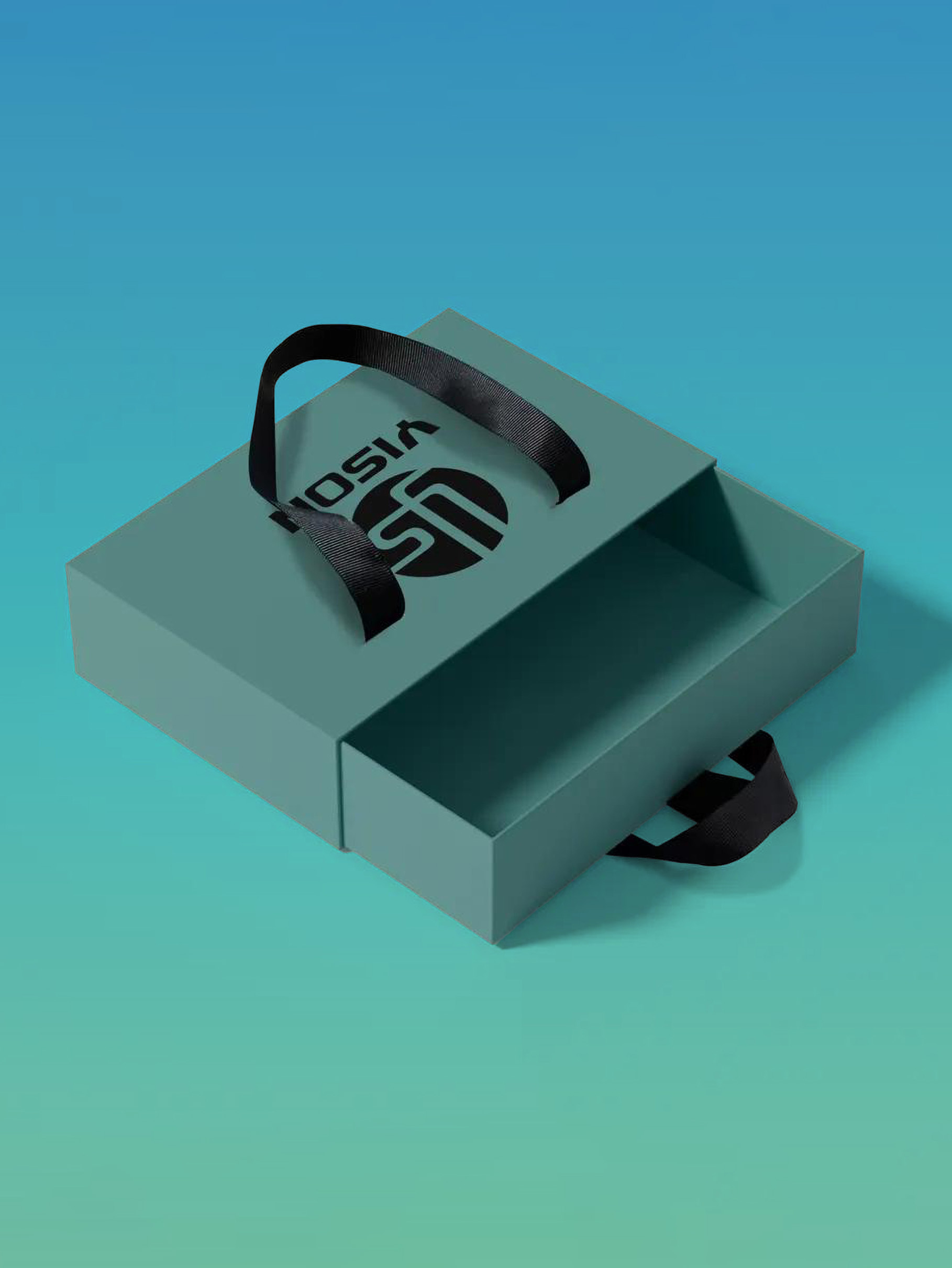
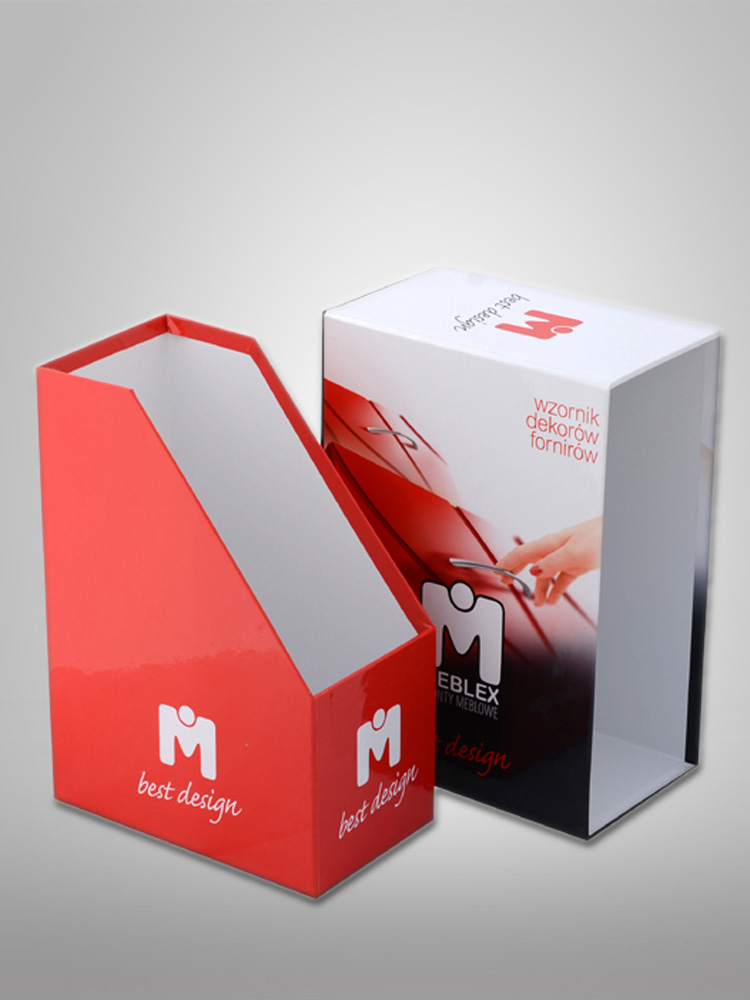


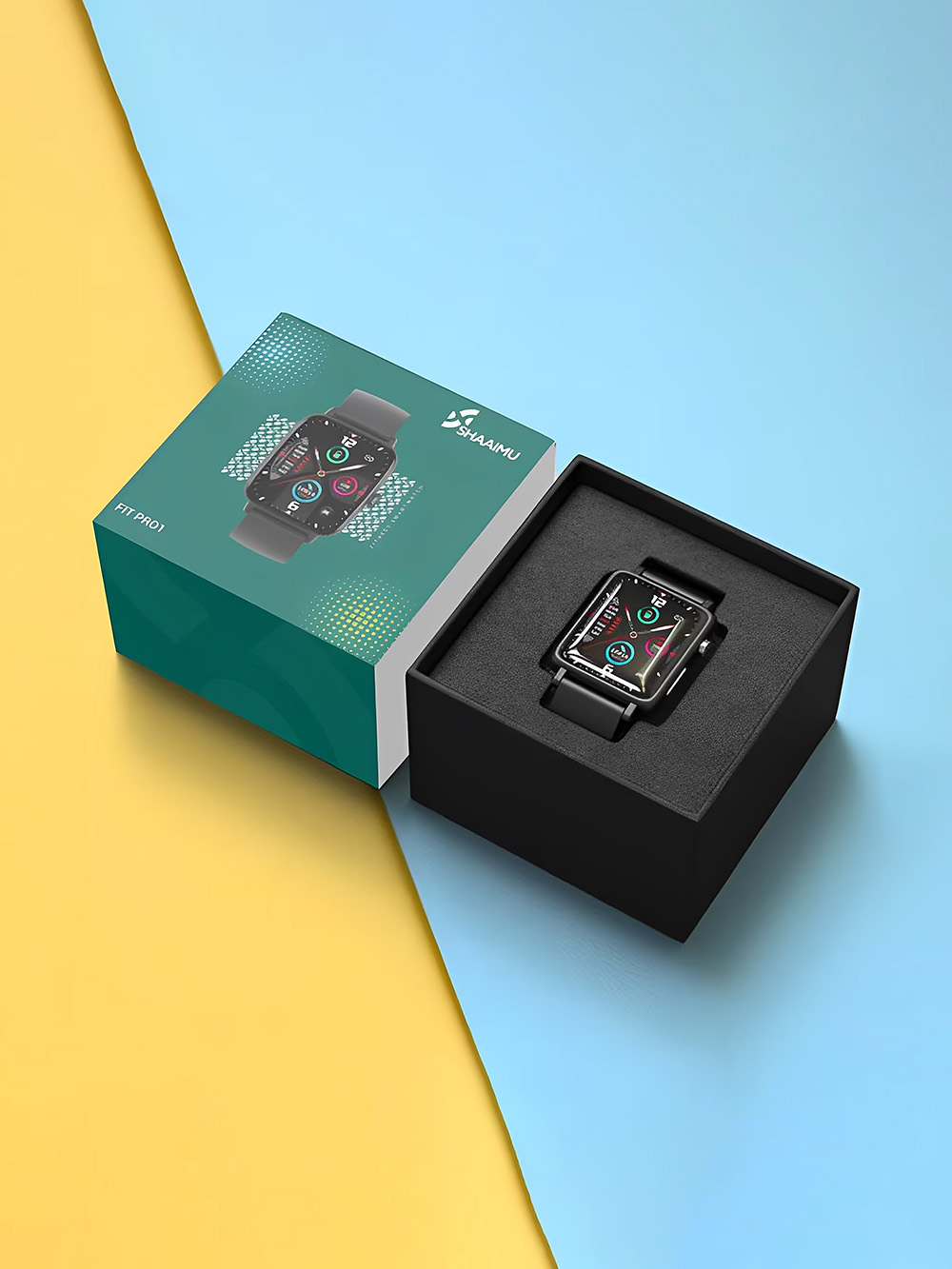
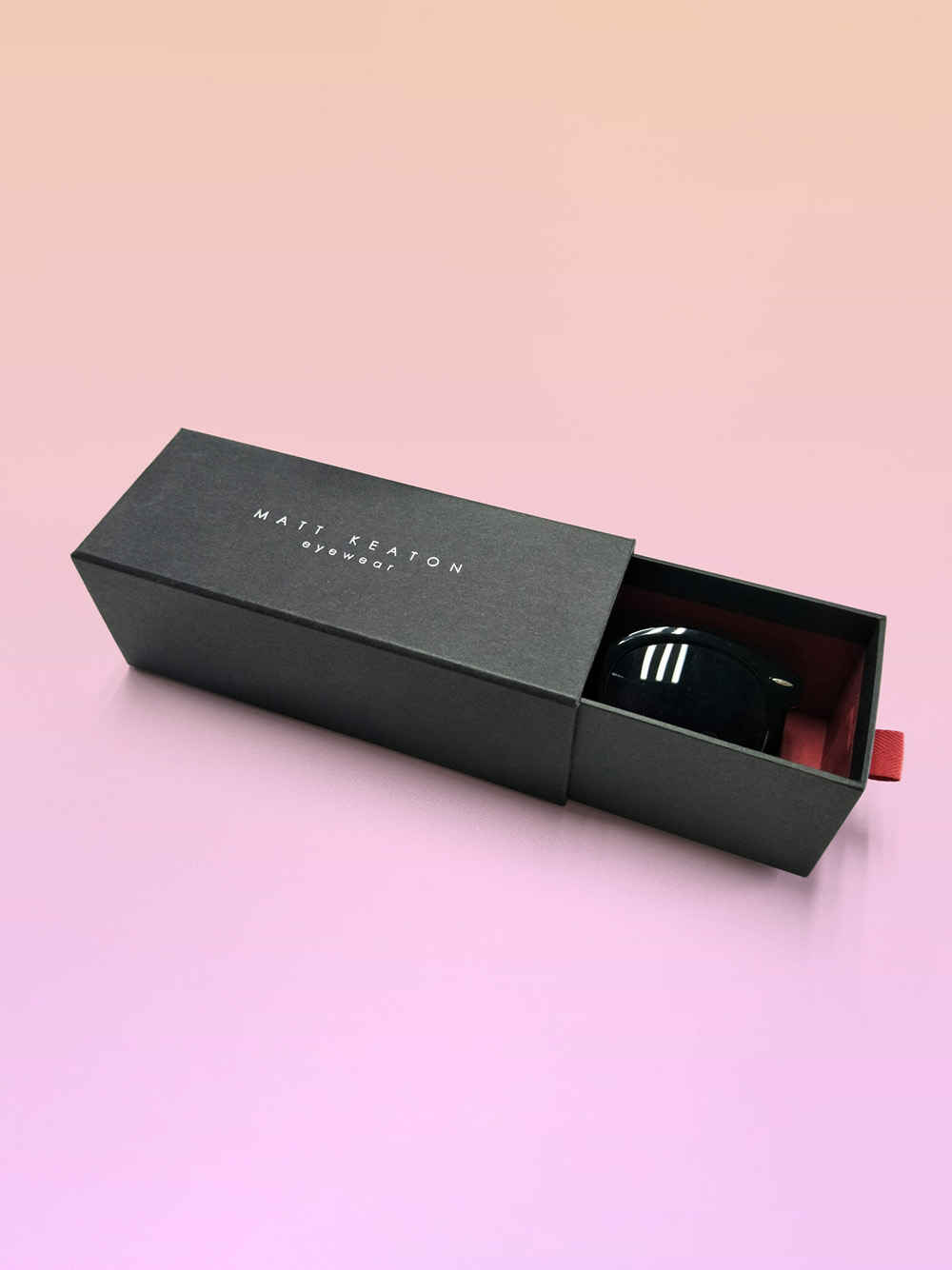
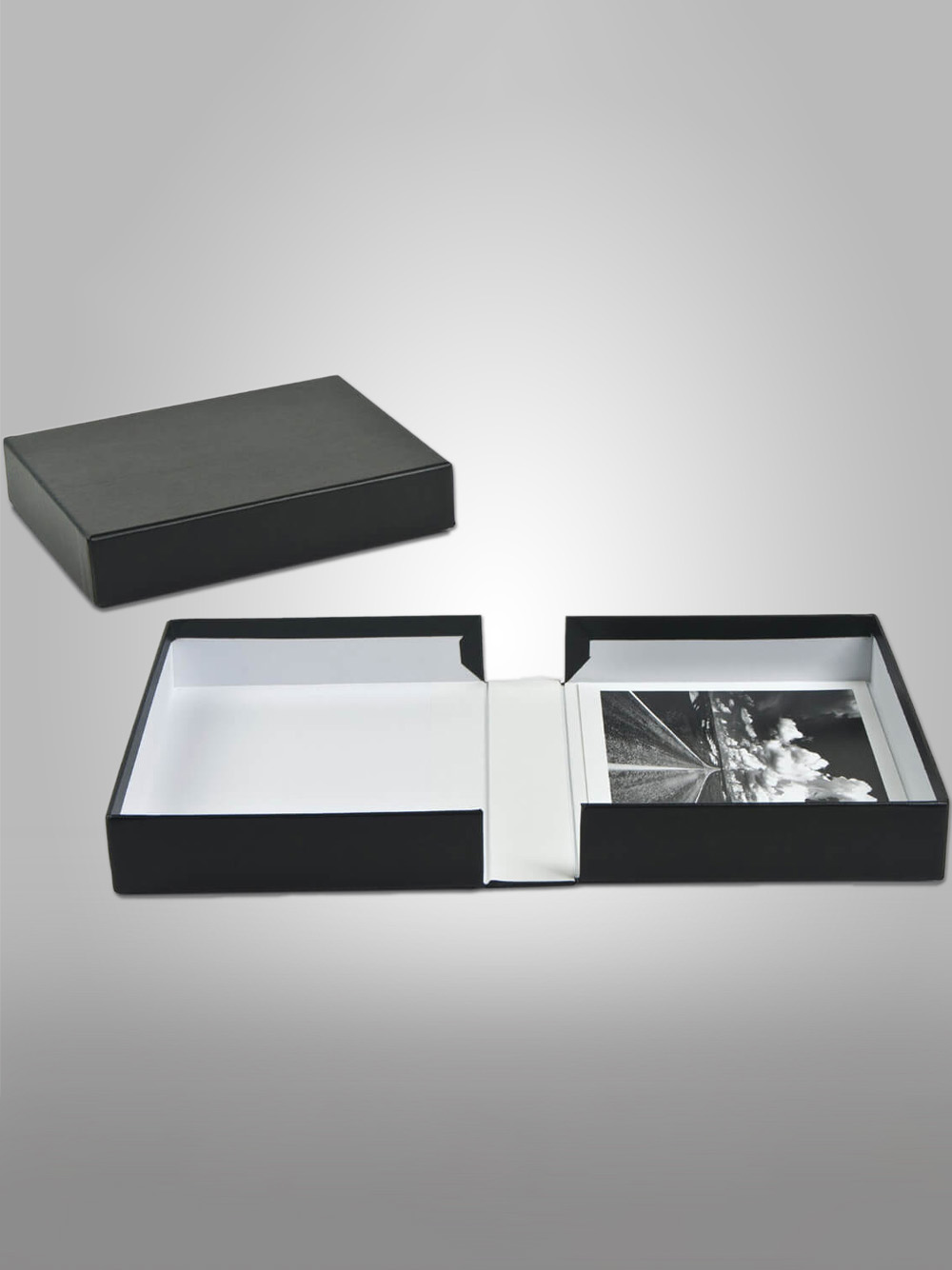

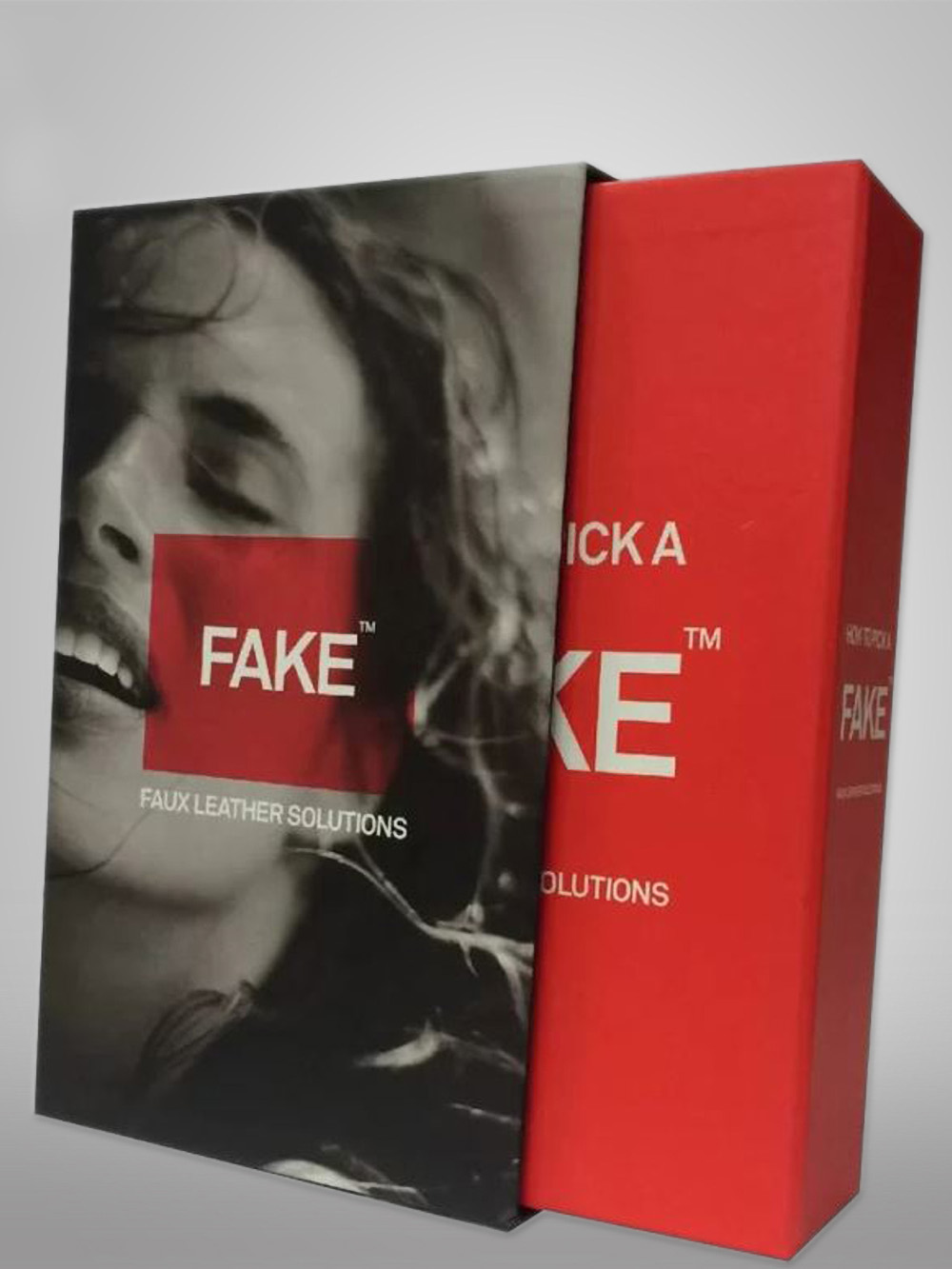
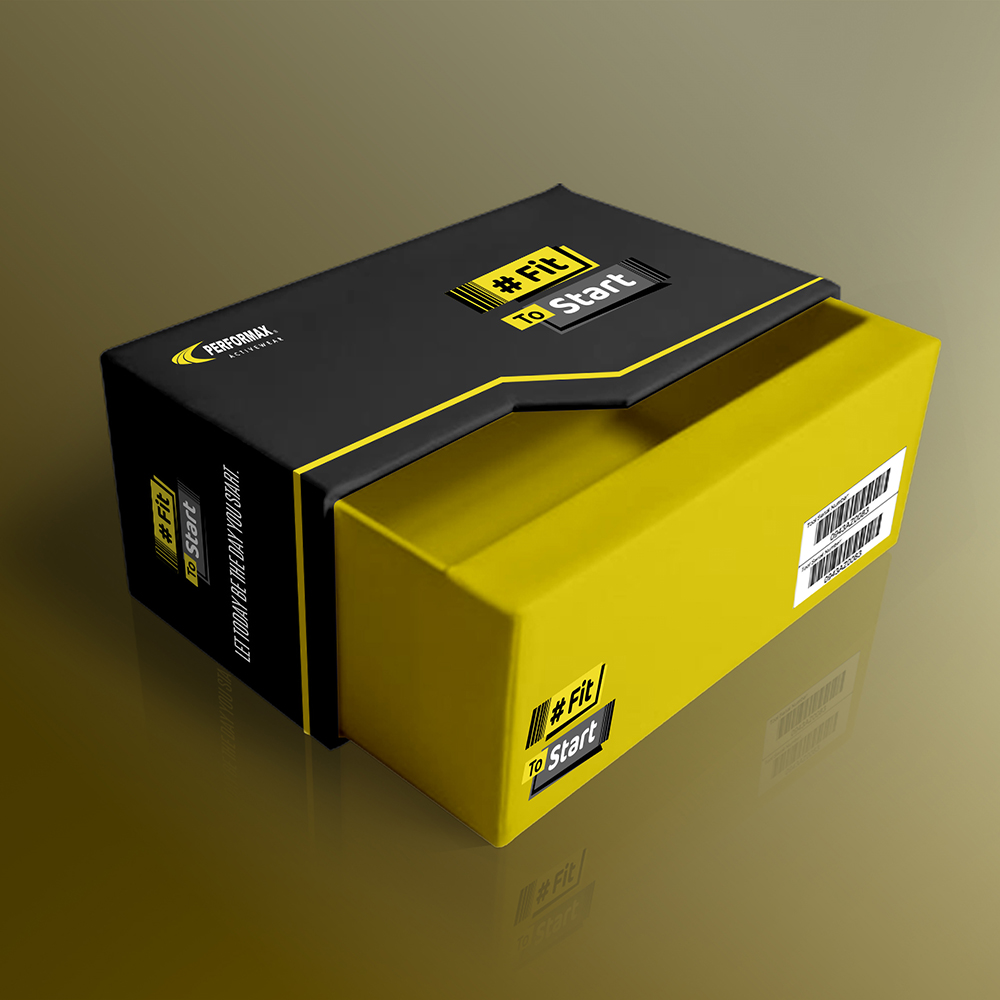
Most slipcase failures come down to one thing: tolerance. A sleeve cut too tightly grips the tray and tears at the edges within weeks of handling. One cut too loosely feels flimsy and can slide open on its own in transit. The fix is a fractional gap – under half a millimetre – built into the dieline so the sleeve glides freely but still holds its grip closed.
Three genuinely different tray and closure mechanisms sit under the “slipcase” name, and picking the wrong one either overspends on protection or underprotects the contents:

A slipcase sleeve is the customer’s first touchpoint before the tray is even visible, so finish choice does real work here:
This format suits cosmetics, jewellery, spirits, and tech accessories – see our Cosmetic Rigid Boxes page, where tray and slipcase cosmetic packaging is a standard multi-product format, and our Luxury Rigid Box and Premium Rigid Boxes UK ranges for finish-led and board-weight-led alternatives.
Cost is driven by board calliper, tray complexity, finish, and volume – a standard slide-out tray costs less than a Solander construction with foiled inserts, and unit price drops meaningfully at higher volumes. MOQ starts low for first orders rather than a high blanket minimum, and material samples are supplied alongside bulk orders so smaller brands get the same production control larger buyers expect.
Production runs longer than a standard carton, since sleeve-to-tray tolerance is tested before a full run is approved – worth building into your timeline rather than assuming a slipcase ships as fast as a single-piece box. For related formats built on similar structural principles, our Book Style Rigid Boxes page covers a spine-hinged alternative, and our Gifts & Celebrations and Custom Christmas Boxes pages cover seasonal formats built on the same principles.
Get Custom Quote
Excellent services! They helped us pick the right size, finish, and custom window shape. The boxes fit our brand perfectly, and the minimum order quantity was very reasonable for a new business.

We ordered 2000 packs for our business. The turnaround time was fast, the packaging was strong, and no damage during shipping. We’ve made them our go-to packaging partner.
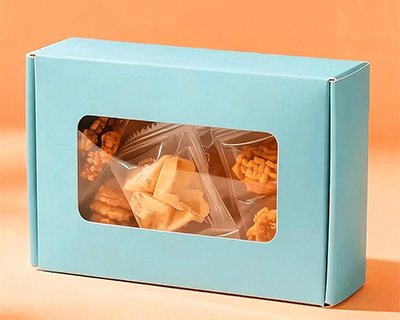
They helped us pick the right size, finish, and custom window shape. The boxes fit our brand perfectly, and the minimum order quantity was very reasonable for a new business.
A two-piece structure where a sturdy inner tray slides into a matching outer sleeve, rather than opening on a hinge or lid - the slide-out motion is part of the presentation itself.
A fabric strip attached to the base of the inner tray, making it easy to lift out of a snug-fitting sleeve without handling the product directly - most useful when tolerance is tight enough that the tray won't slide free on its own.
A drop-spine mechanism lowers the product with more control, reducing tipping or fast slide-out risk. A standard tray relies on the customer pulling steadily, and suits lighter, sturdier products better.
A specific archival-grade slipcase construction with a drop-spine and wrap-around lid, traditionally used for rare books and valuable documents where conservation-level protection matters.
Foil adds a colour-based accent that catches light as the sleeve slides open; embossing adds a tactile texture felt more than seen. Many brands combine both since they read differently under different lighting and handling.
Longer than a standard carton - sleeve-to-tray tolerance needs testing before a full run is approved, which adds a few days compared with single-piece box styles.
Yes, and it's worth insisting on a physical sample rather than a flat digital mock-up - sleeve tolerance and slide feel genuinely can't be judged from a rendering.
Yes - the two-piece sleeve and tray construction uses more board than a single carton, so brands prioritising minimal material sometimes choose a simpler rigid lid box instead, trading the unboxing sequence for a lighter footprint.