
Oliver Smith
Hale Path Packaging delivered outstanding service with quality pouches. Their printing precision and timely delivery exceeded expectations. Highly skilled team ensuring packaging needs were met correctly.



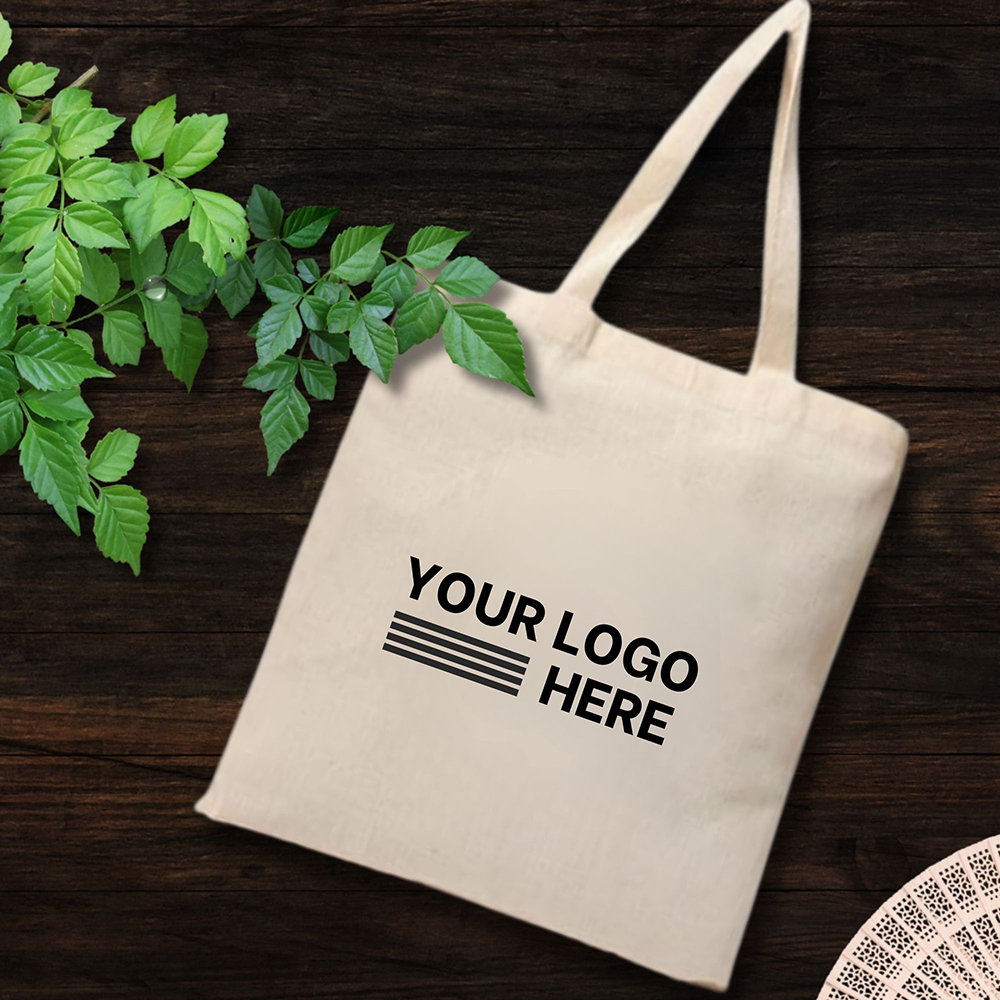
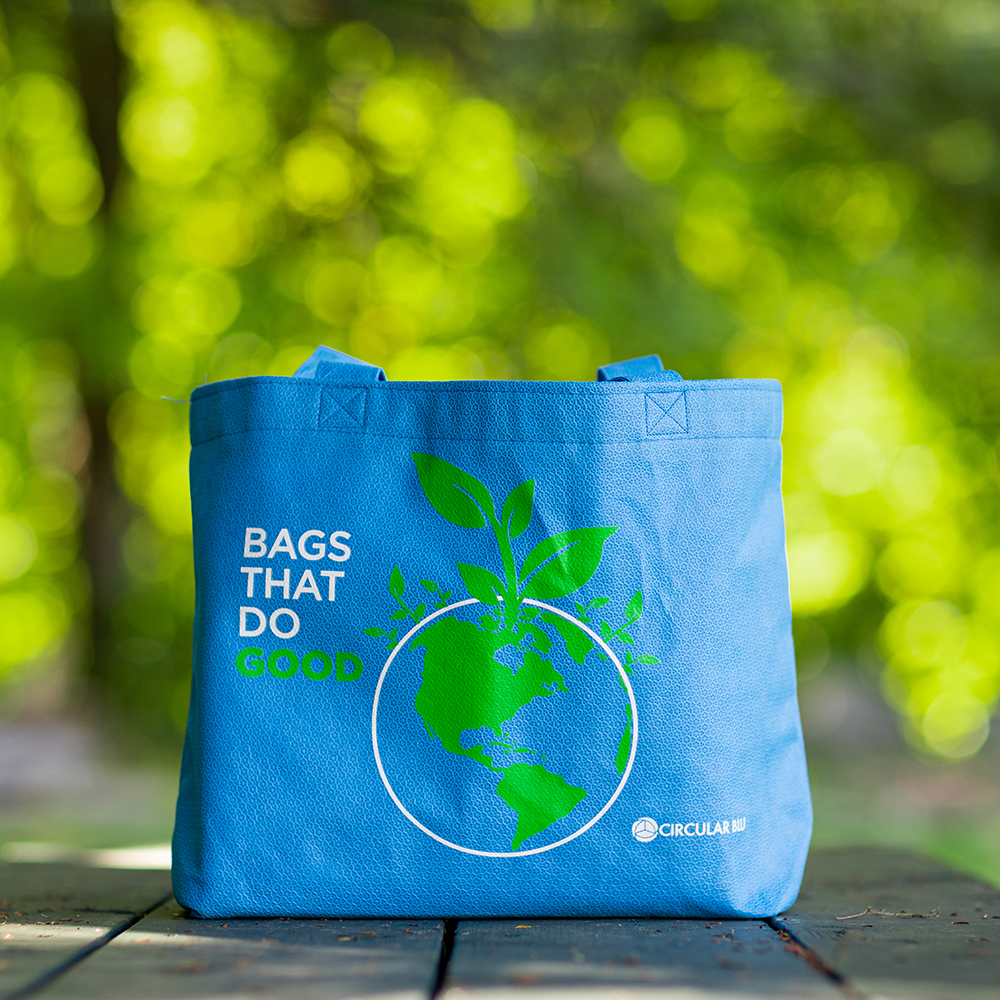
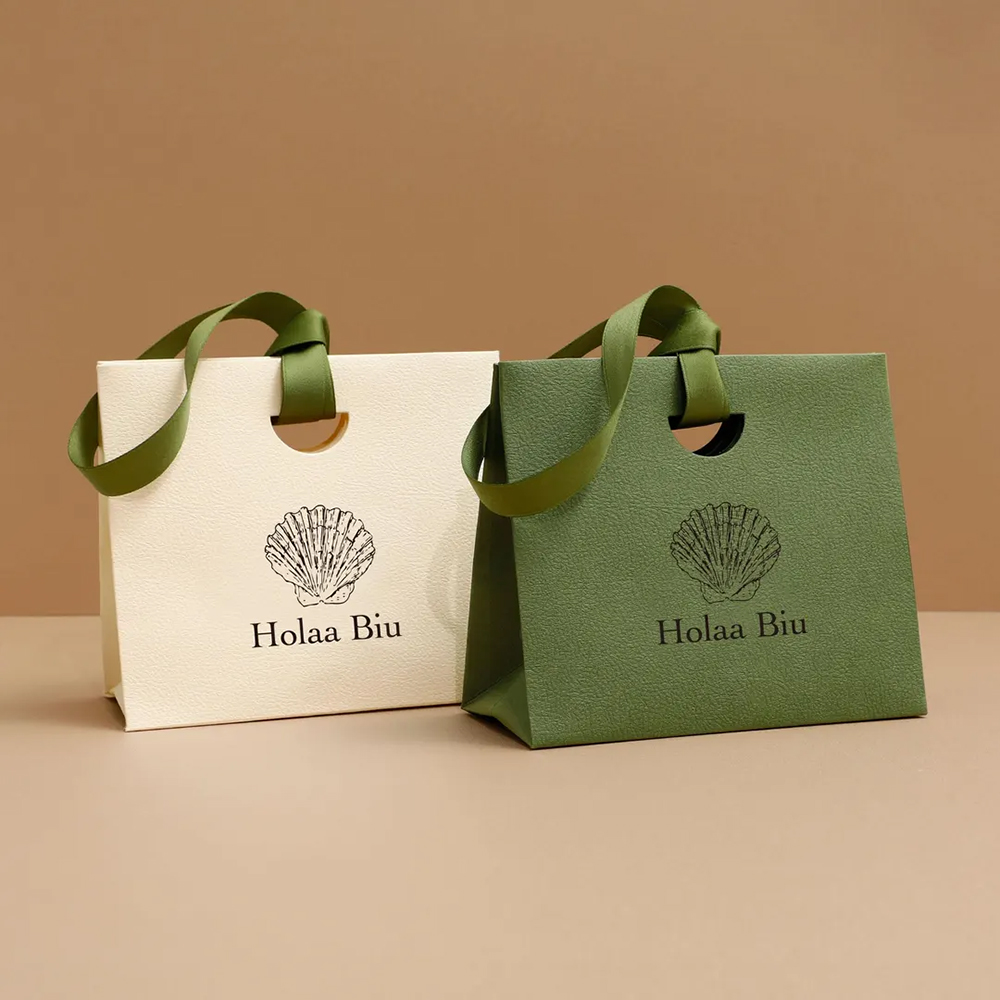

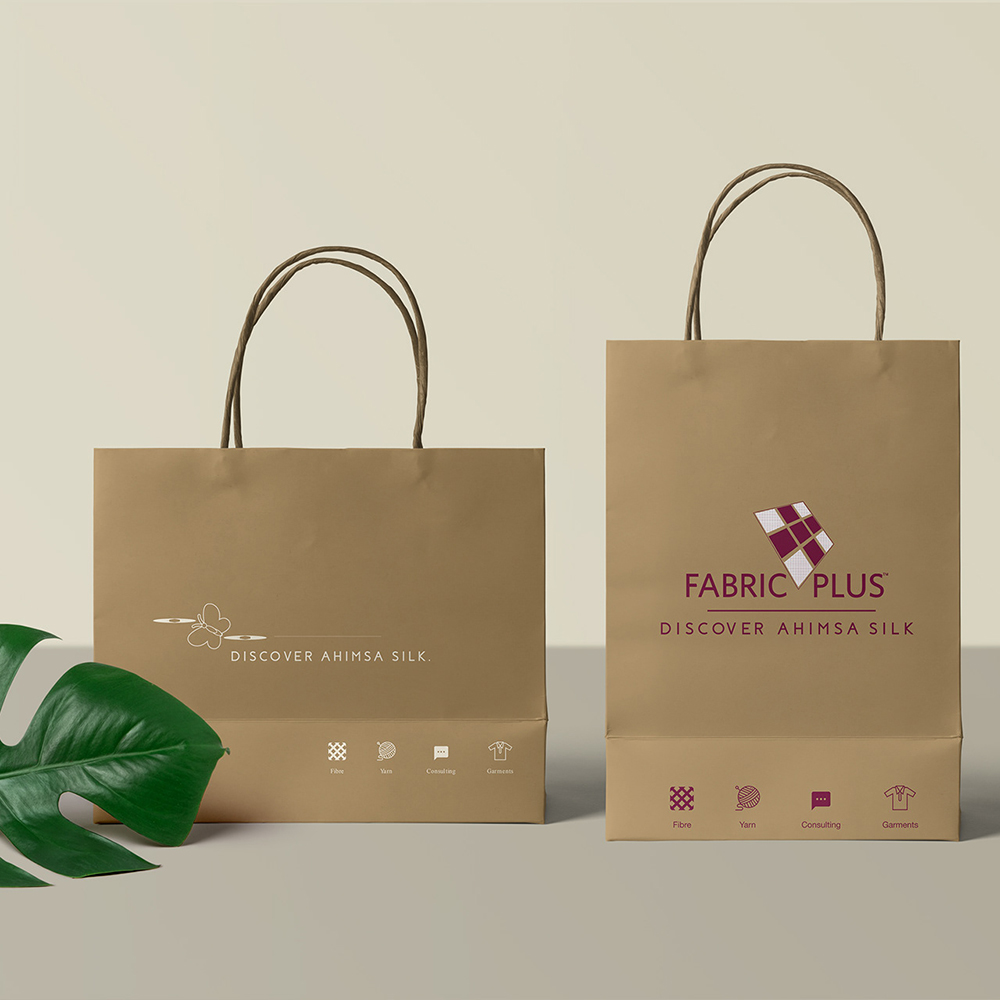
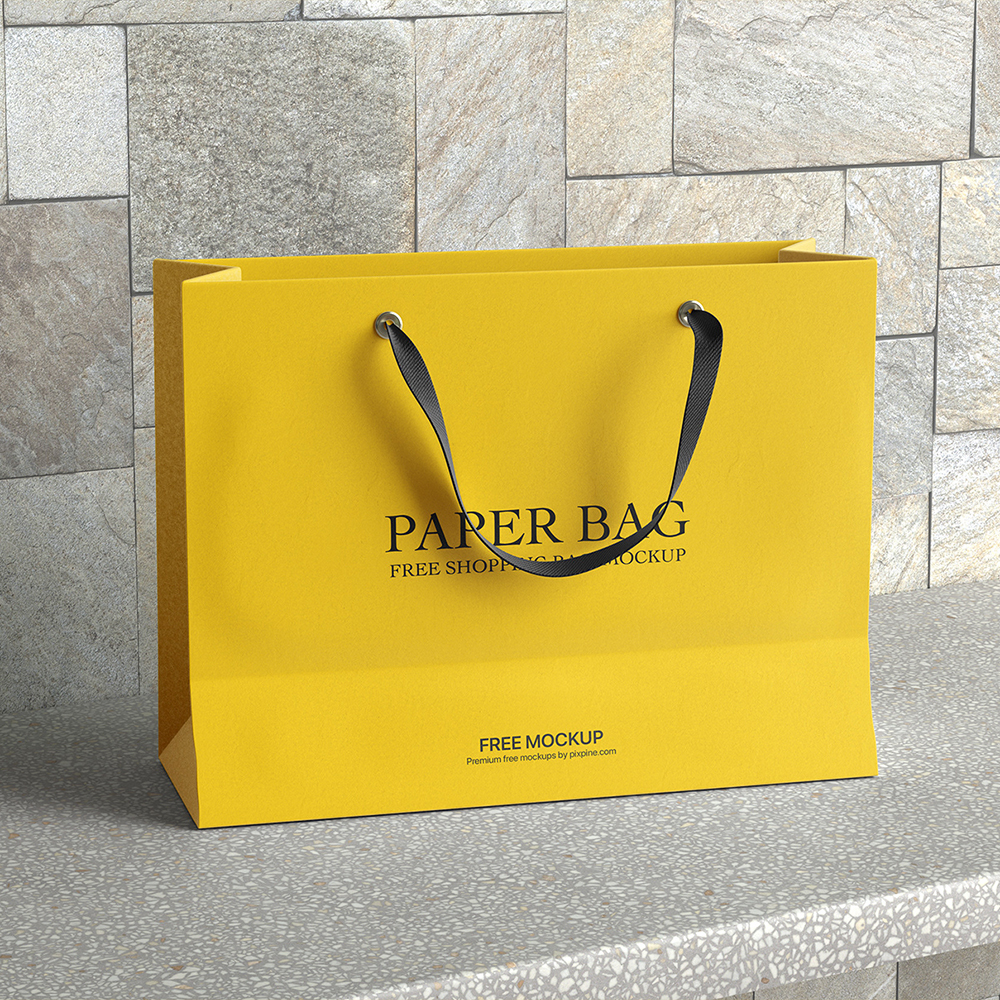
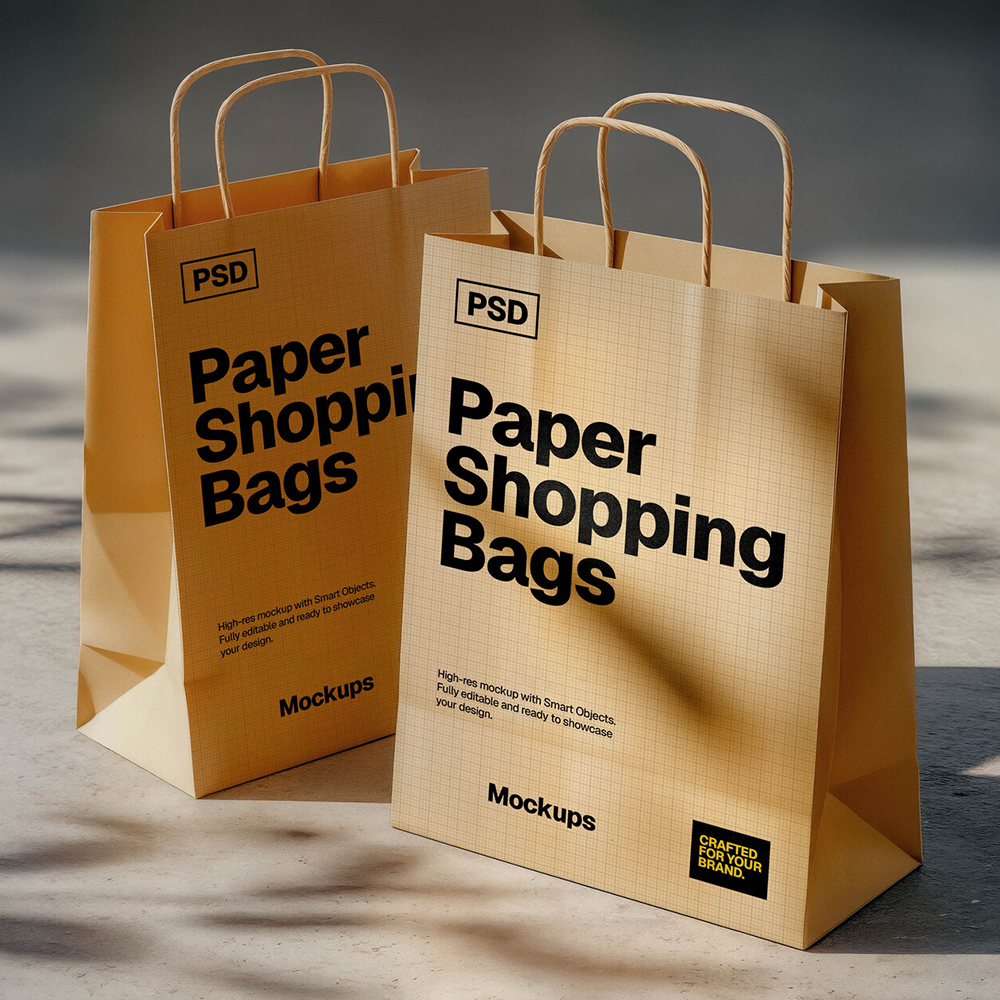
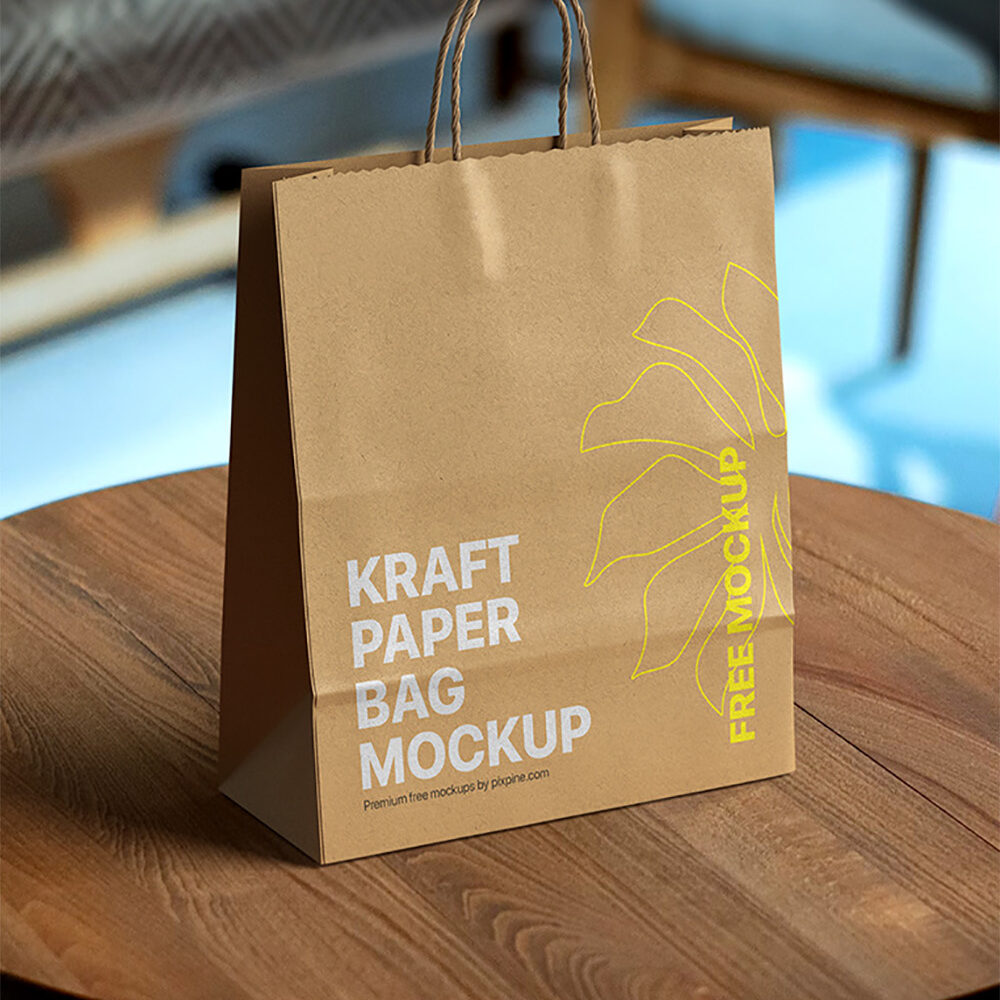
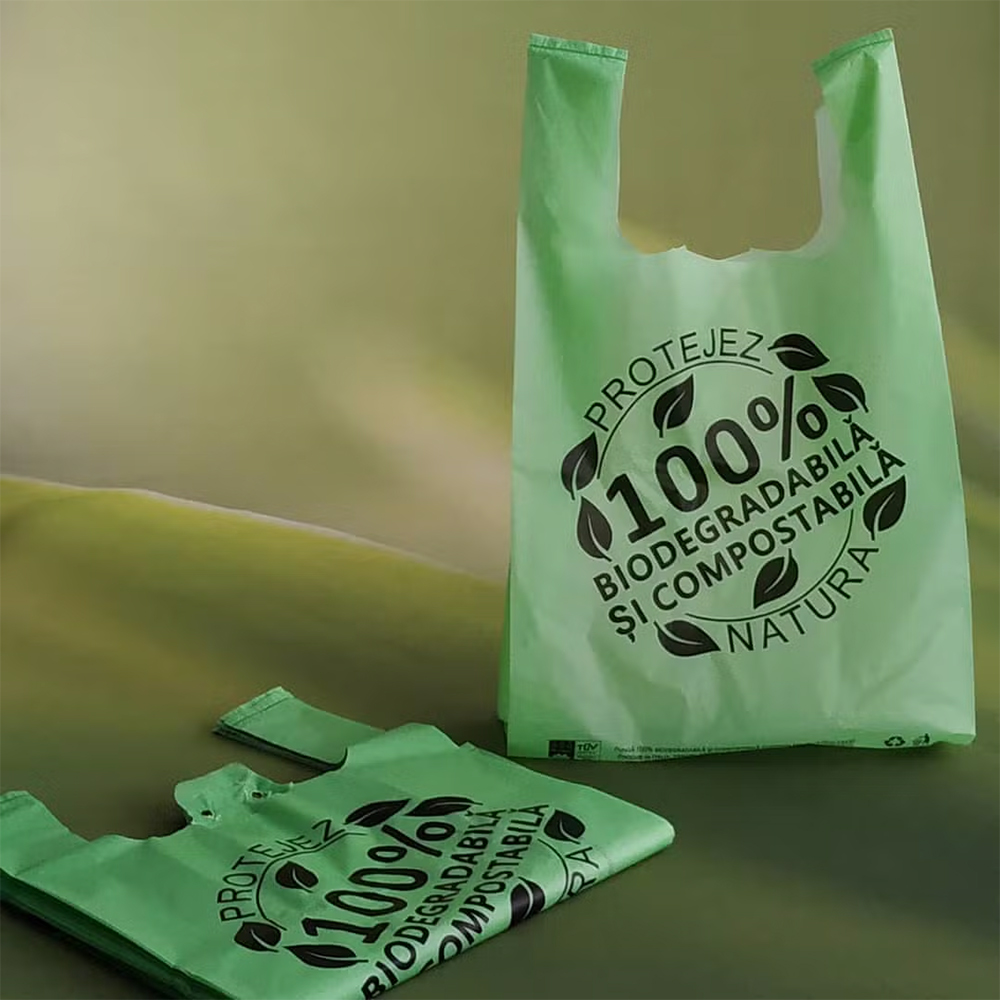
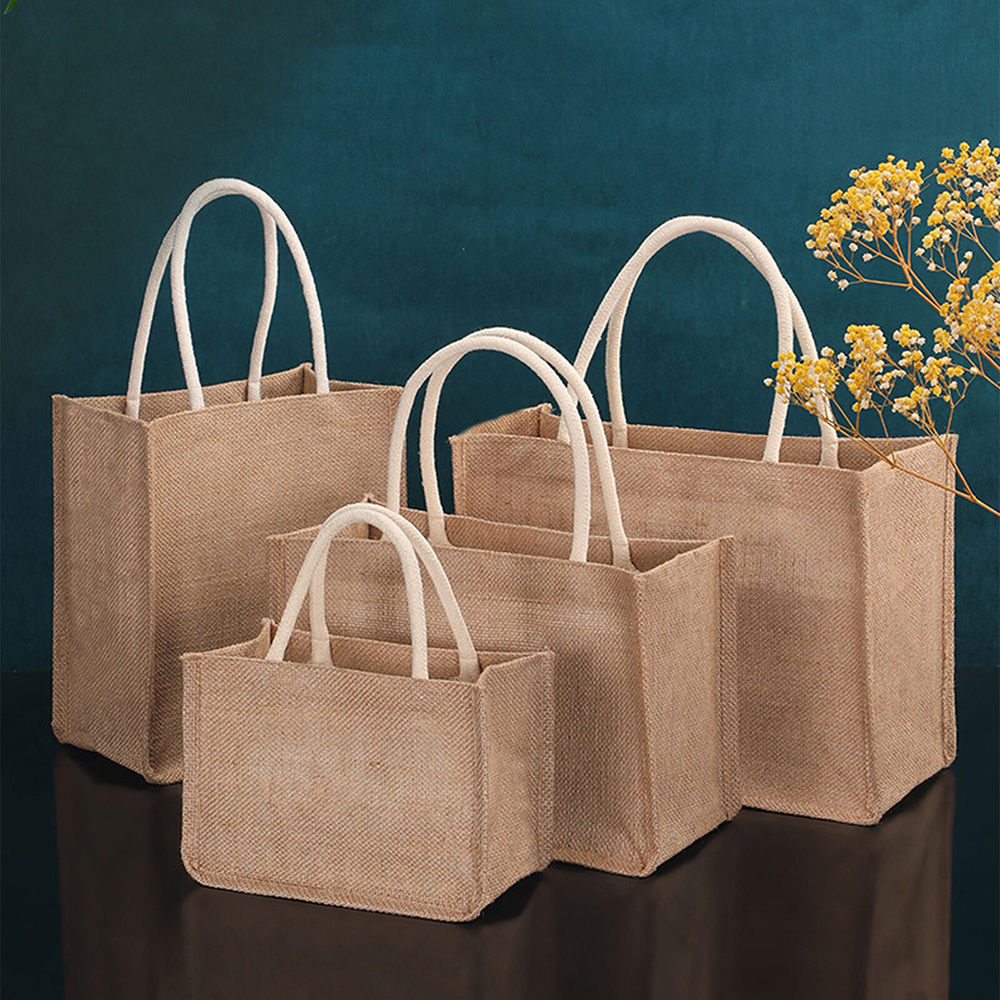
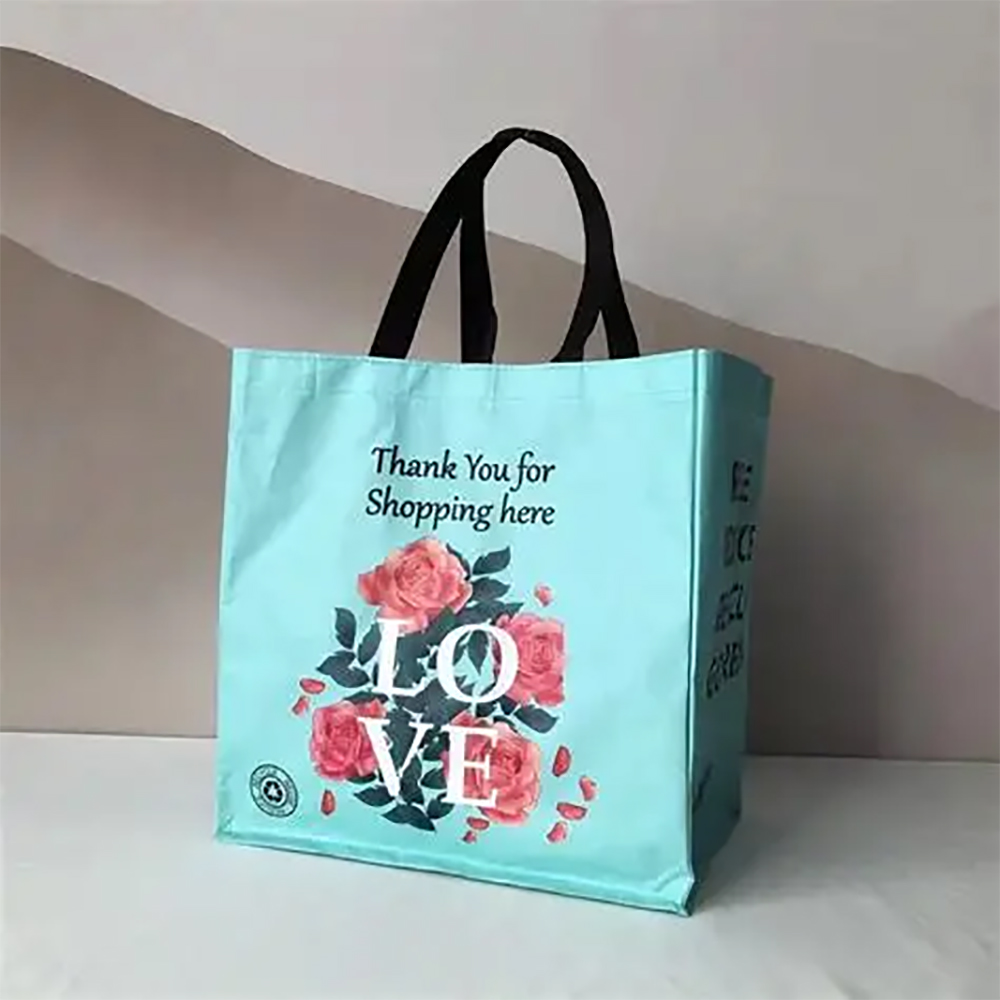
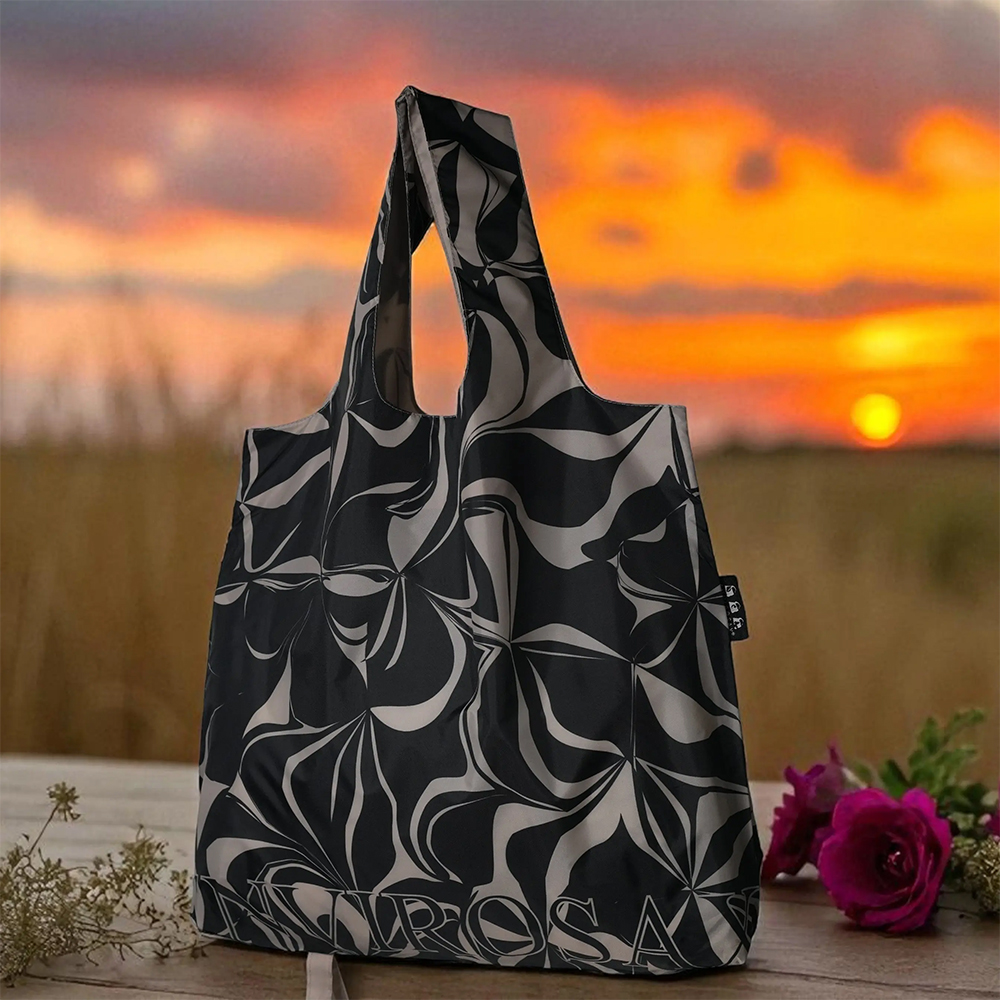






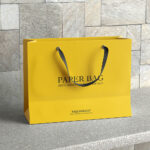

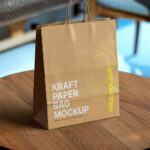
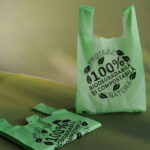



A bag that photographs well for a sustainability campaign often falls apart after three uses. Hale Path Packaging builds eco-friendly bags around material longevity first, so the "sustainable" claim still holds after the tenth trip to the till.













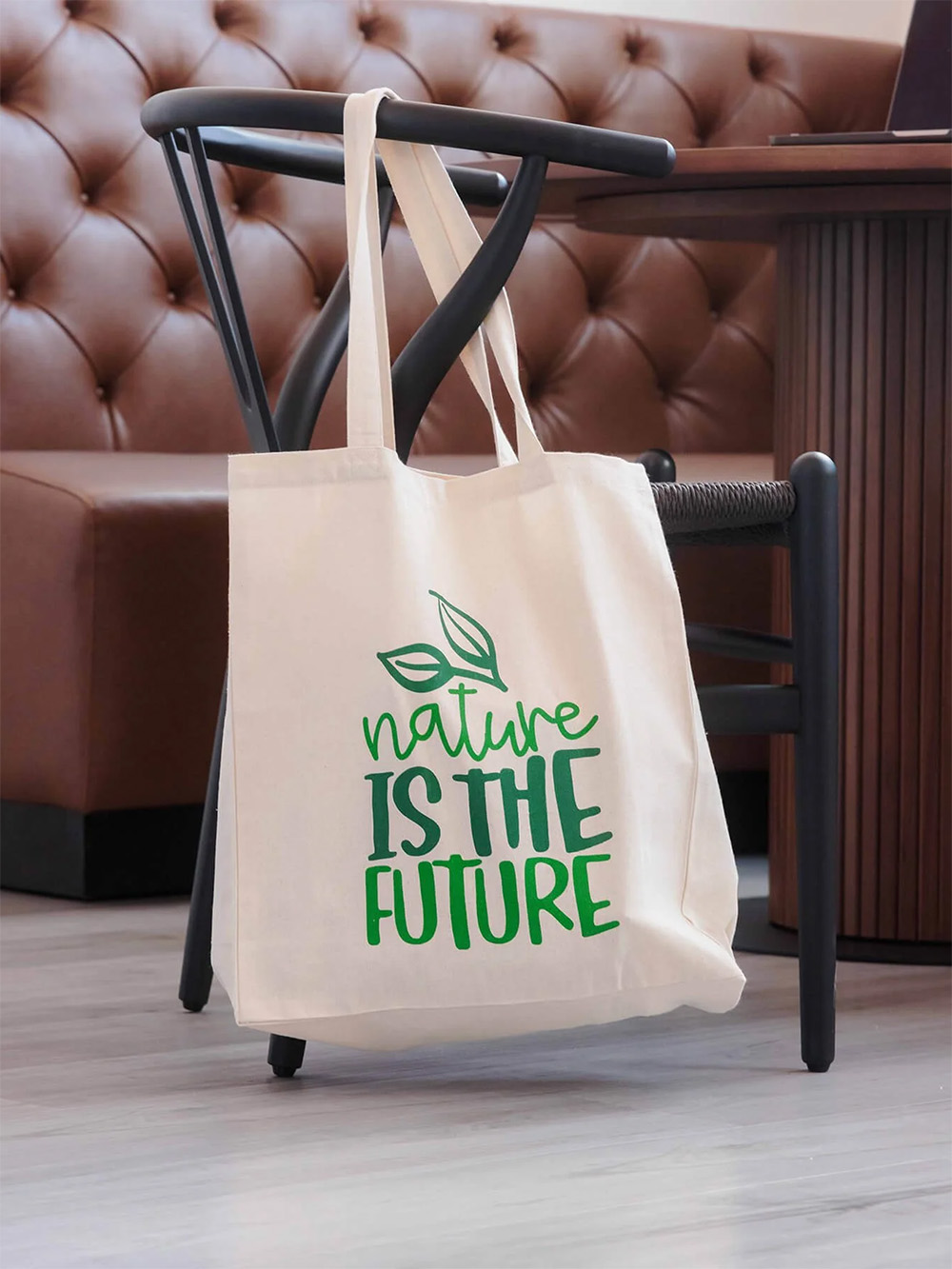


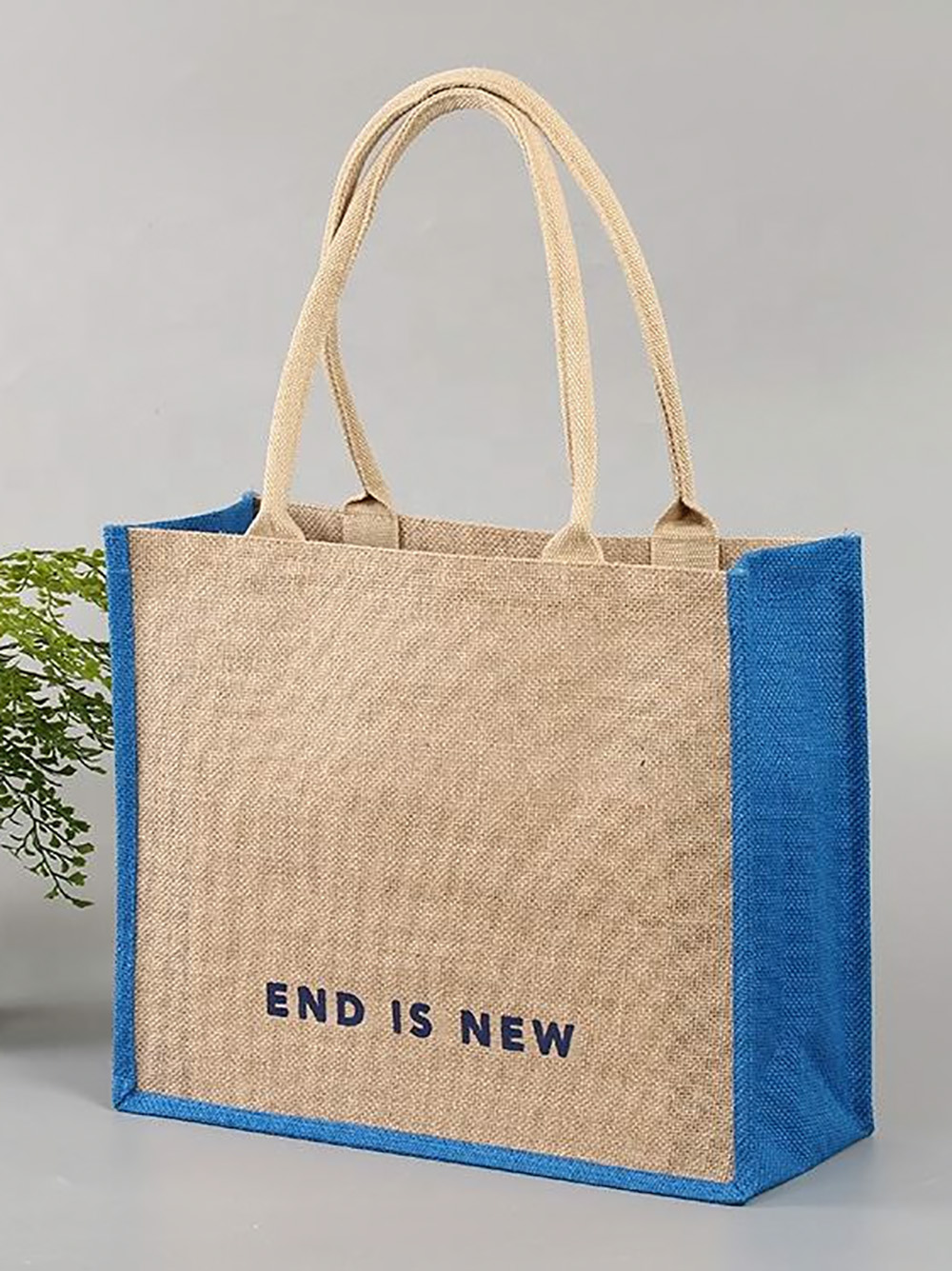
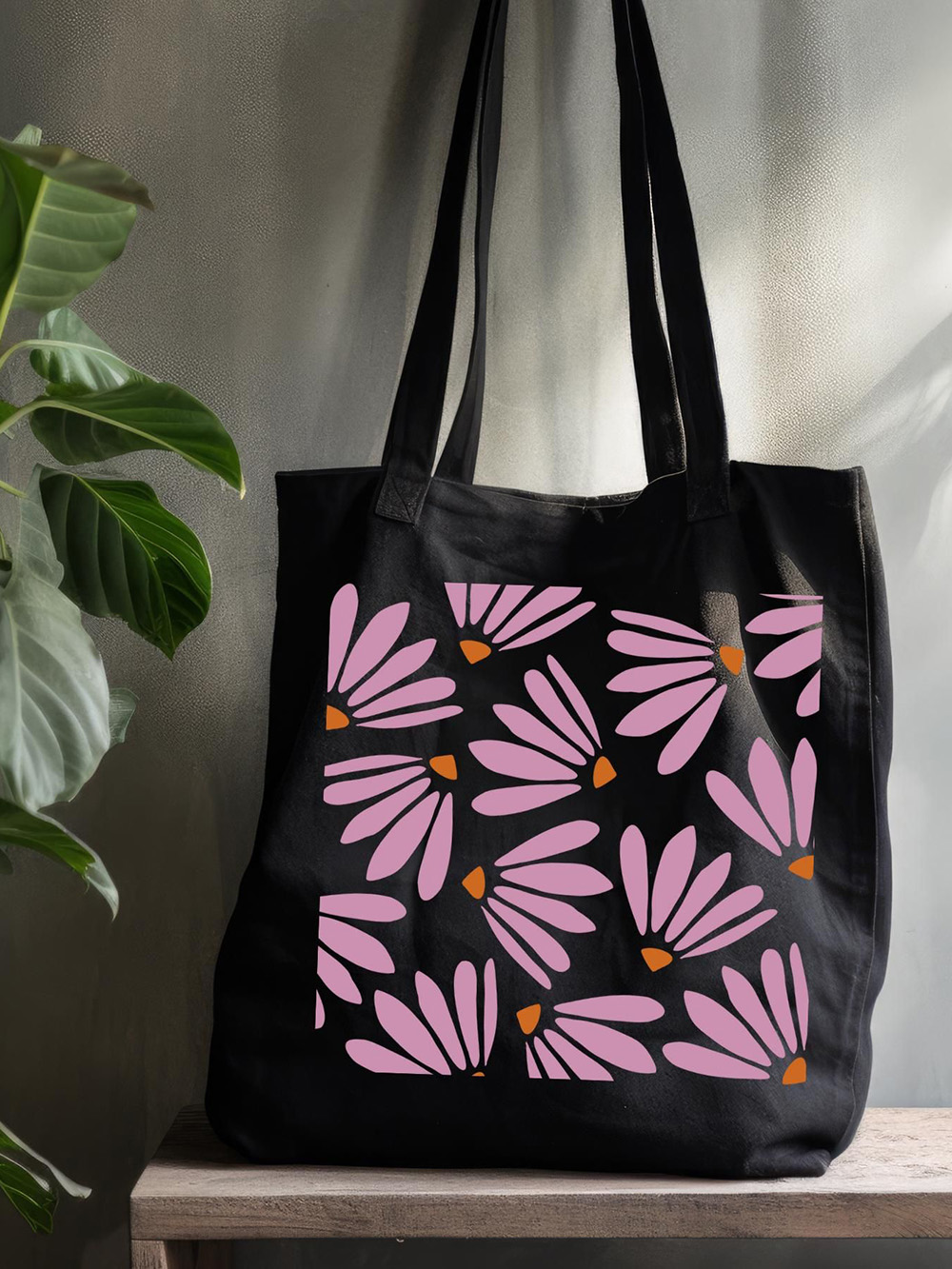
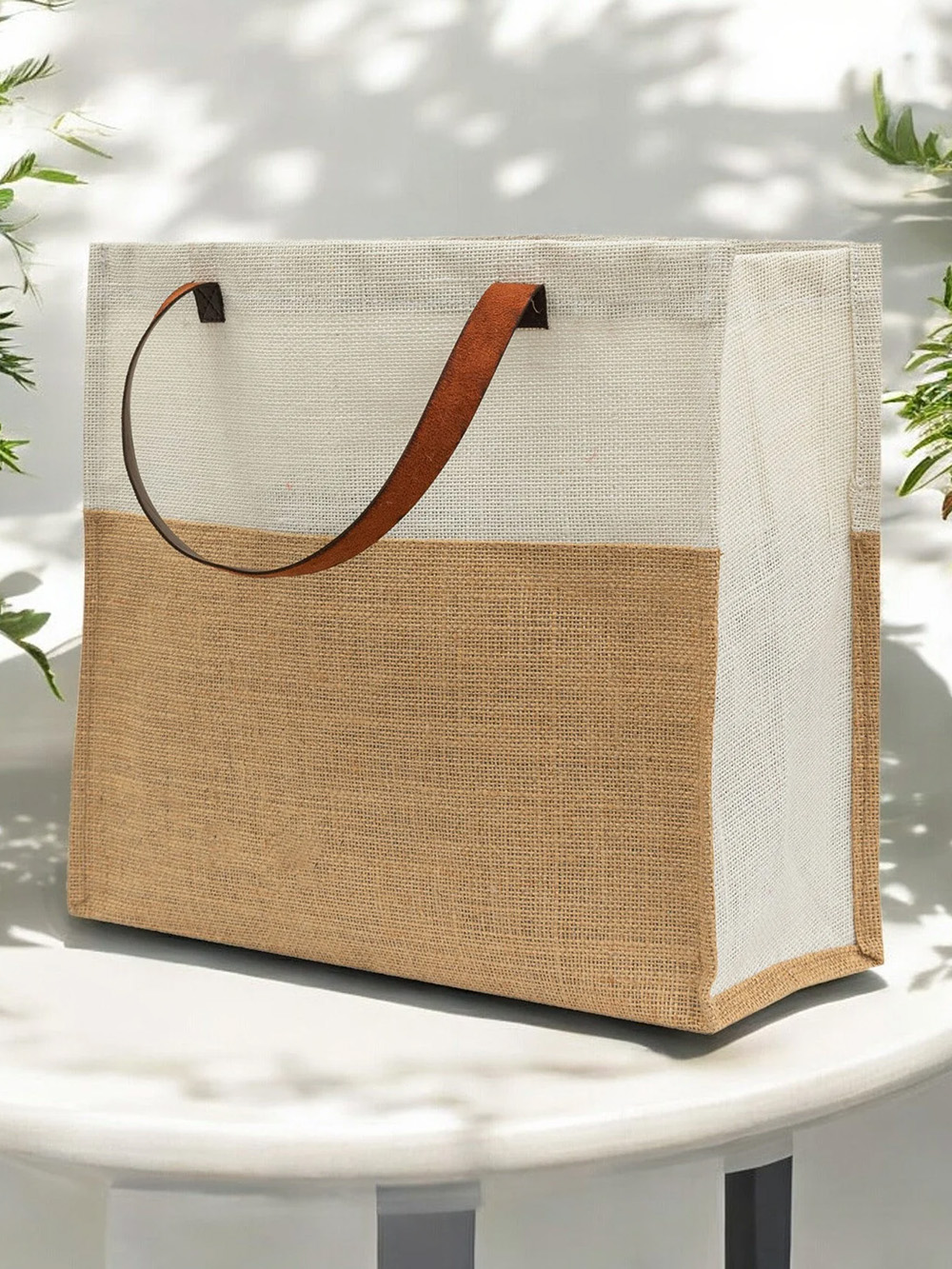
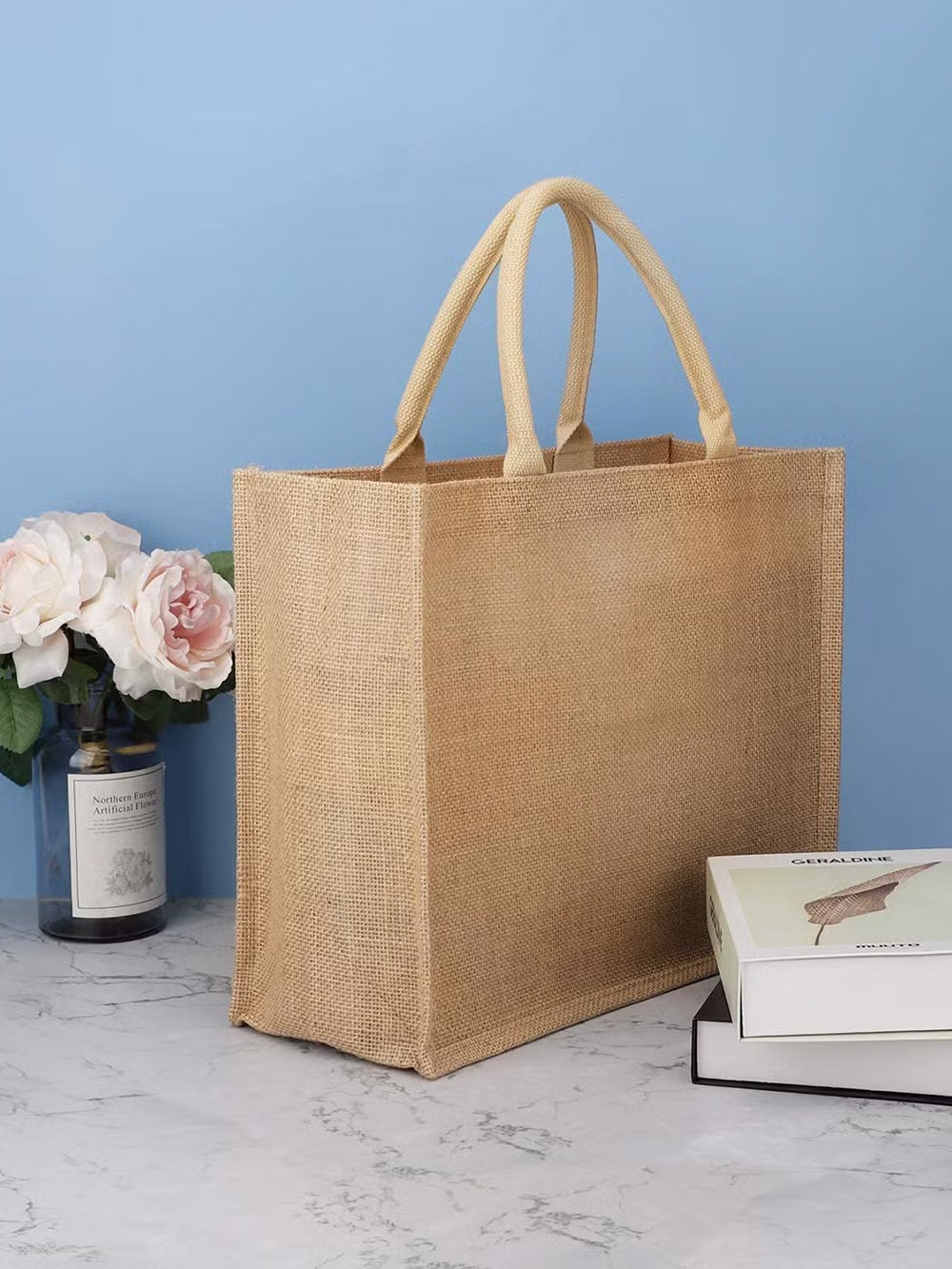
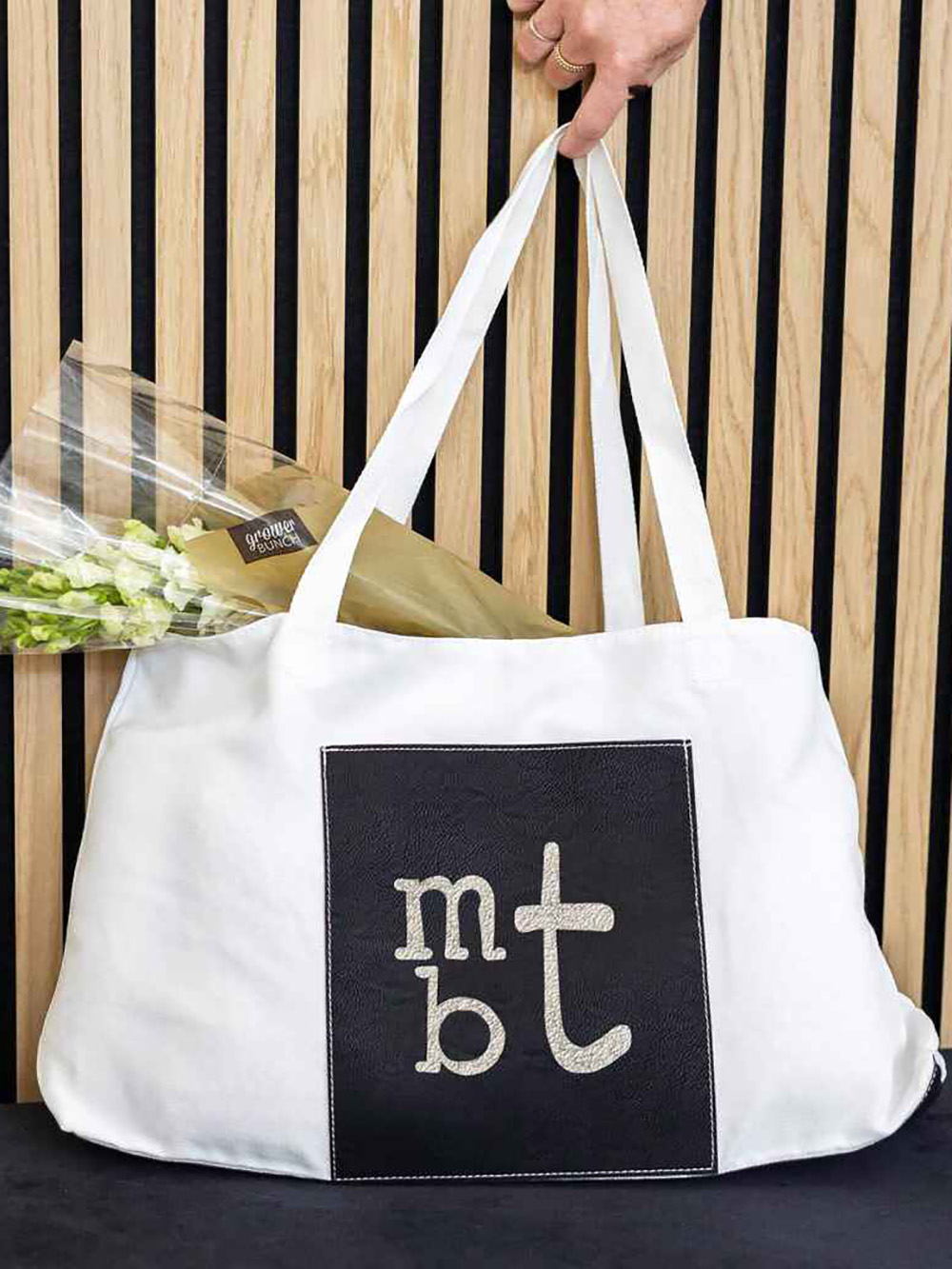


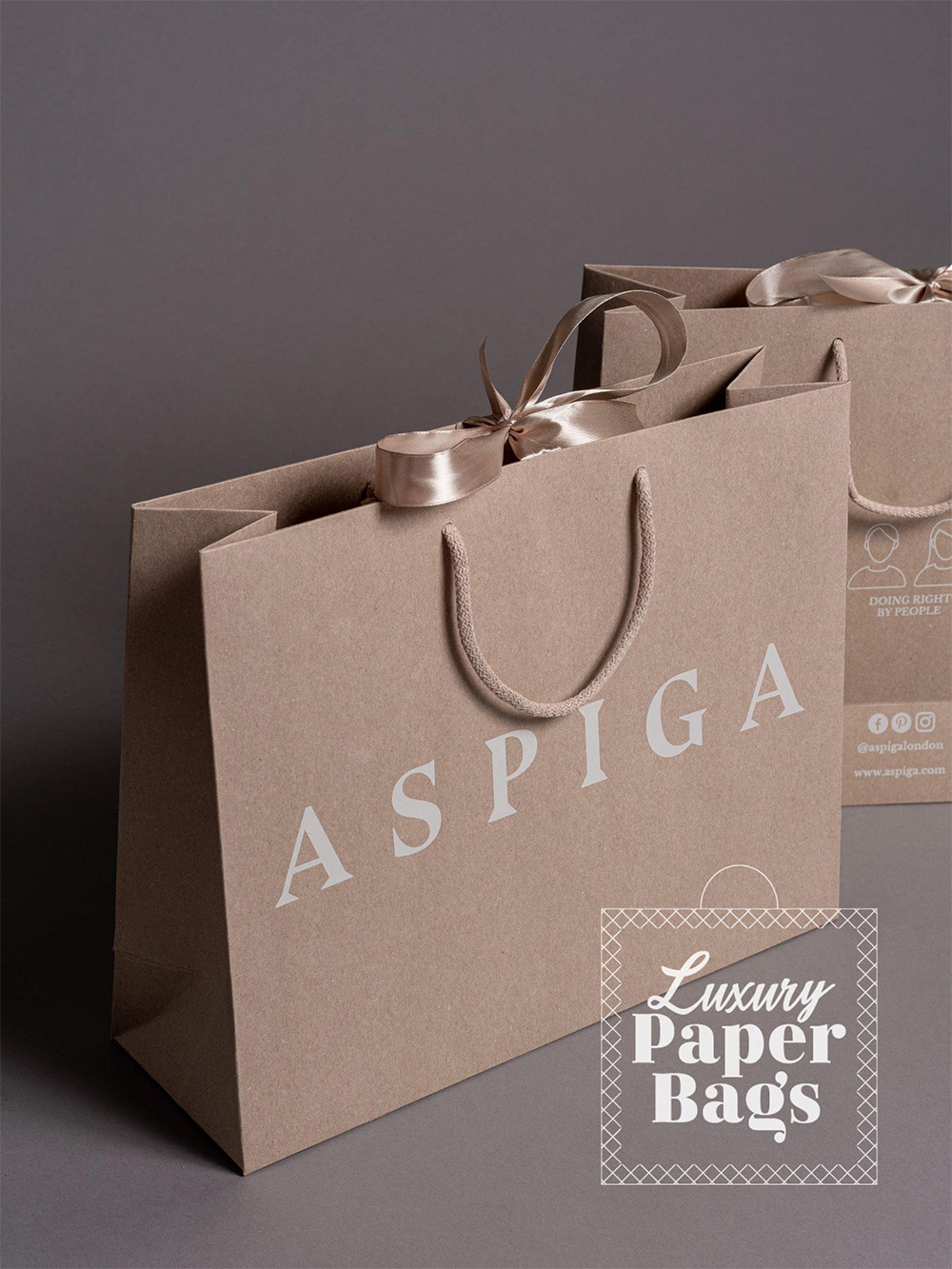

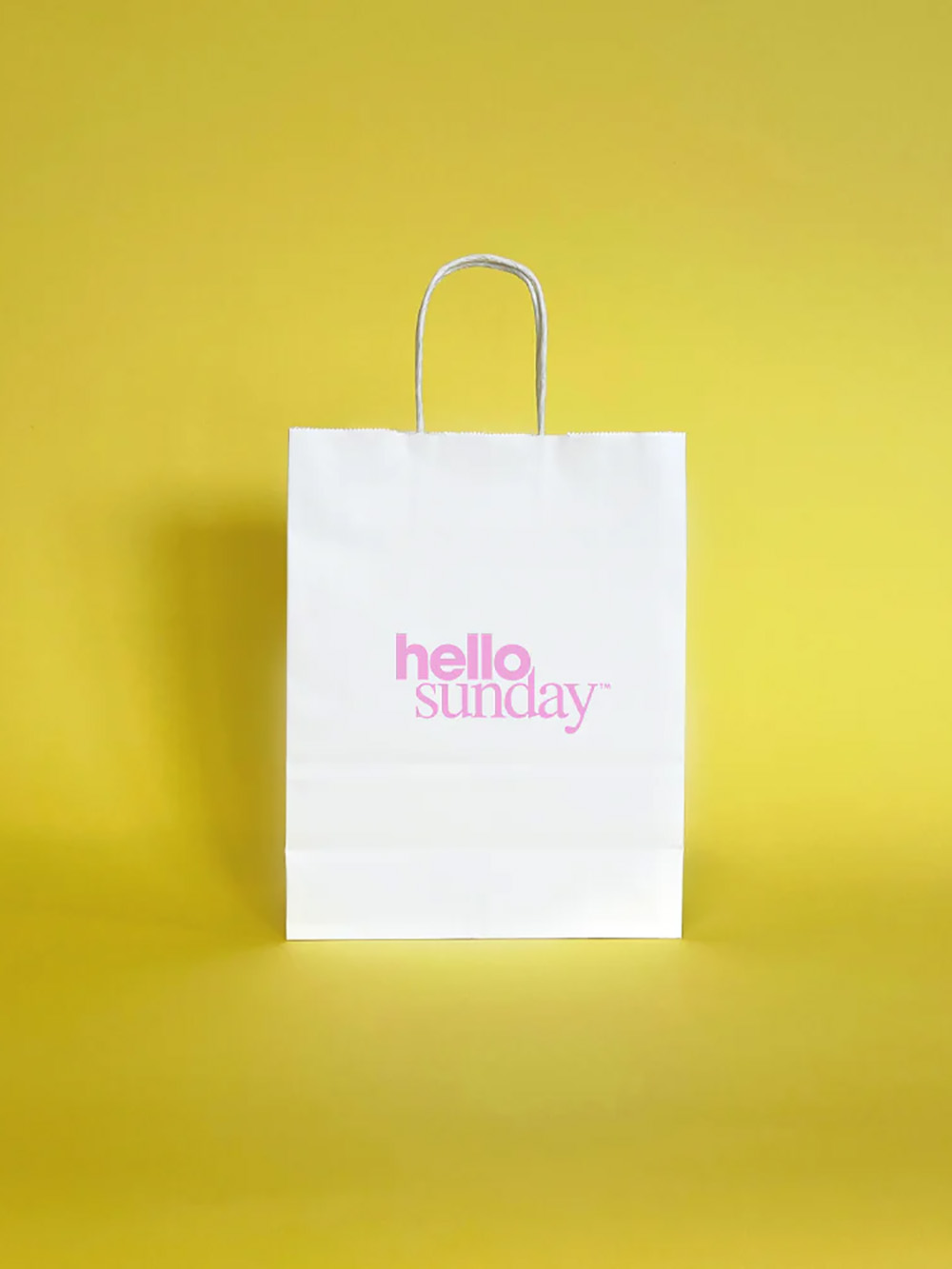
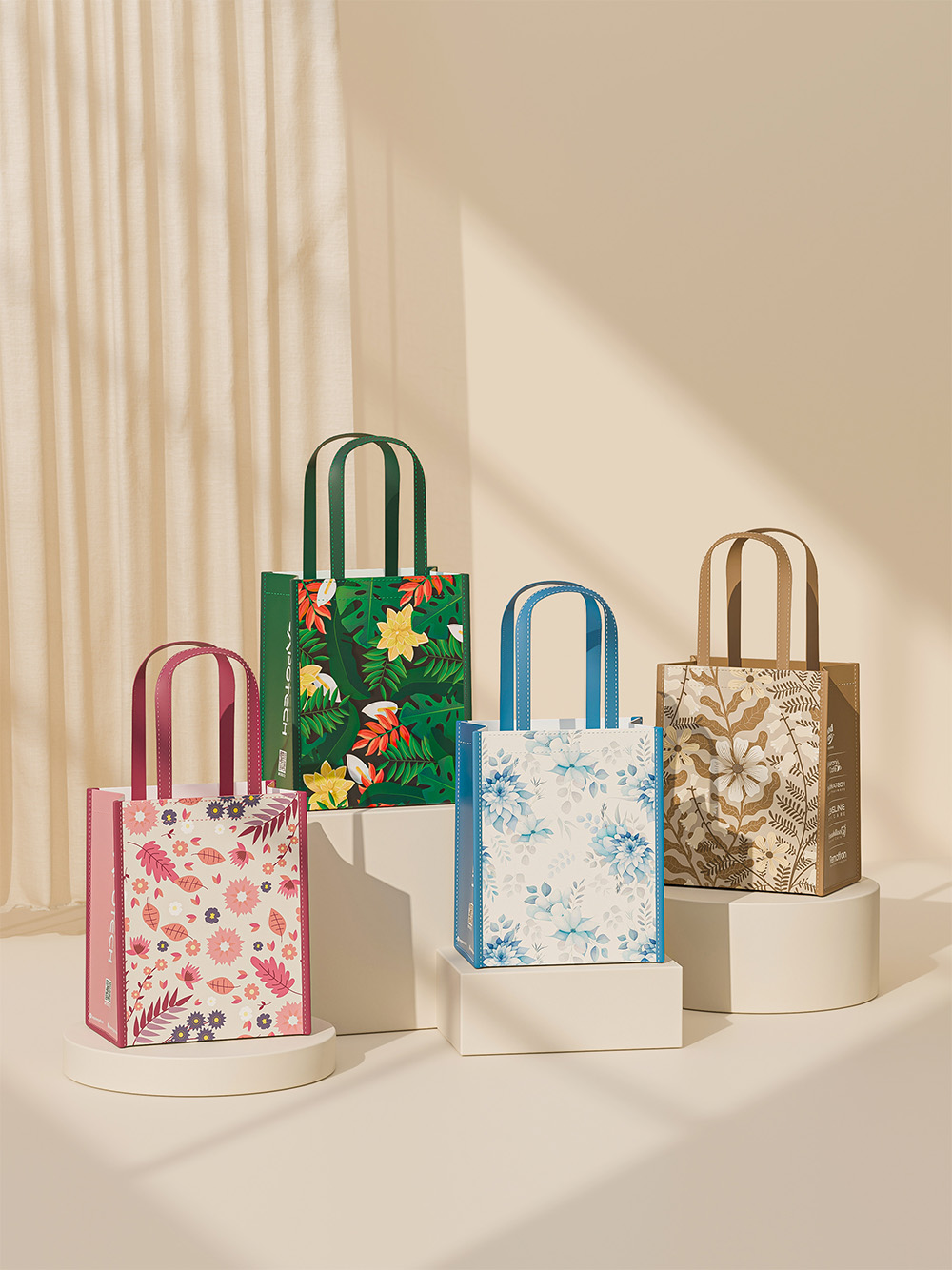
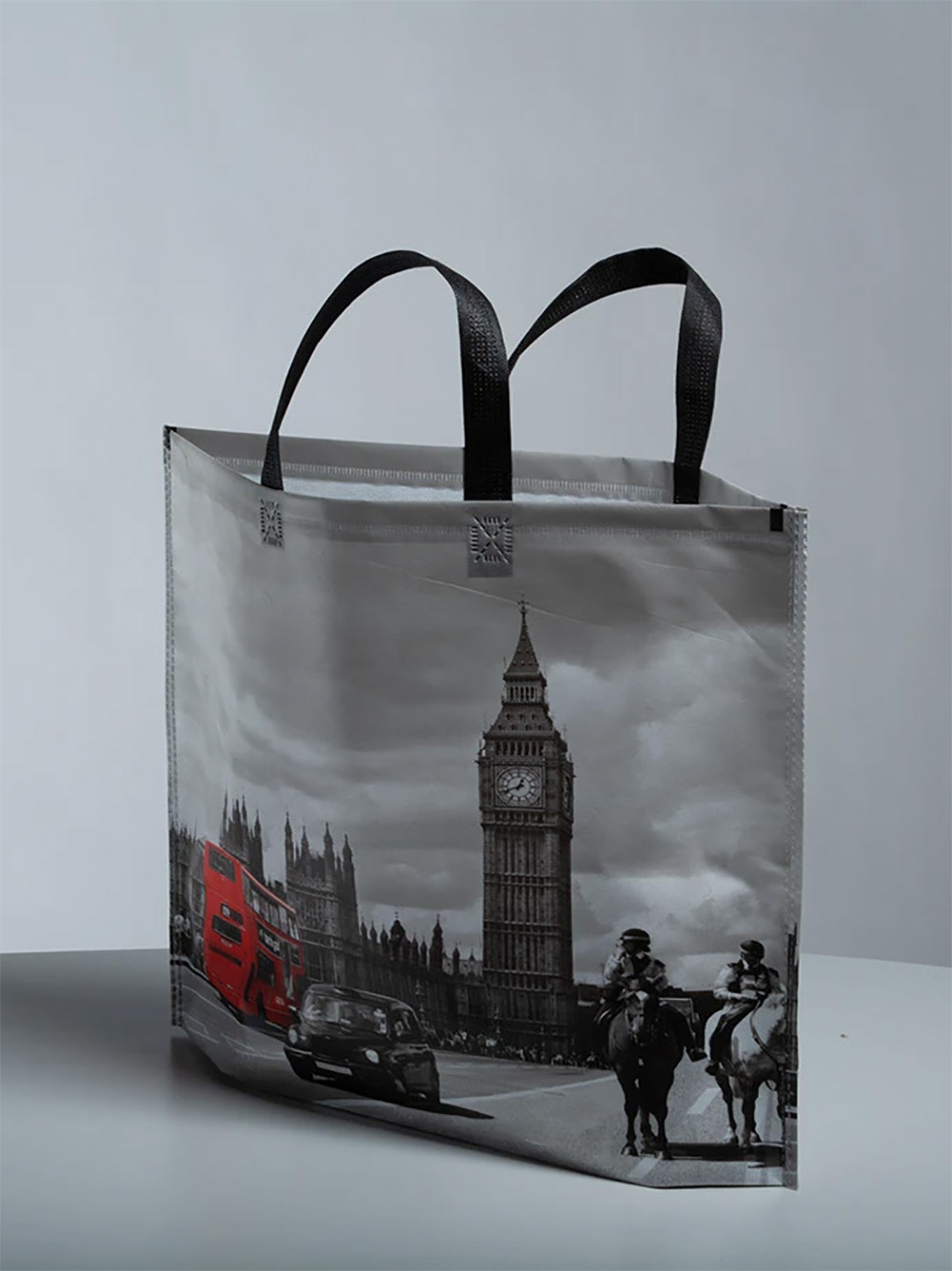

Sustainability claims mean very little if a bag pulls on the second use; natural, eco-friendly packaging has to withstand daily handling, not just look the part on a stand. We manufacture eco-friendly materialsacross RPET, jute, organic cotton canvas, and recycled kraft paper, each selected for how the bag will truly be used instead of which material photographs best for marketing.
A material counts as genuinely tolerable if its durability matches its environmental claim. A biodegradable bag that fails after one use often has a worse footprint than a durable recycled alternative used repeatedly. Recycled kraft paper at 150 GSM or higher resists tearing under typical retail loads, while organic cotton canvas offers the longest reusable lifespan of any eco-friendly option that our company produces. RPET, made from post-consumer recycled plastic, splits the difference between big and water-resistant, though not compostable at the end of life. The right material depends on whether the bag needs to survive one heavy use or dozens of light ones.
Get Custom Quote
Branding on eco-friendly bags has to work within the material’s natural texture instead of against it. A glossy, coverage print does not sit the same way on kraft paper as it does on laminated stock, and acting otherwise disappoints on delivery.
Every eco-friendly material batch Hale Path Packaging sources goes through a certification verification step before it reaches production, checking GRS or responsible sourcing documentation against the actual supplier lot, not just the paperwork on file. That step exists because “recycled content” claims across the packaging industry are inconsistently verified, and a brand’s own sustainability messaging is only as credible as the material behind it. Hale Path Packaging built this verification step into standard production after seeing how often unverified sustainability claims created problems for clients further down the line.
For structured retail packaging beyond bags, Hale Path Packaging’s Custom Gable Boxes line covers the rigid, shelf-ready side of sustainable retail packaging.
Get Custom Quote
Hale Path Packaging delivered outstanding service with quality pouches. Their printing precision and timely delivery exceeded expectations. Highly skilled team ensuring packaging needs were met correctly.

We received packaging solutions from Hale Path Packaging. The box designs were strong and the printing perfect. Their commitment to quality and deadlines made the experience loyal.

Hale Path Packaging delivered exceptional packaging products. The boxes were durable, printing was clear, and their team provided reliable service with outstanding communication and timely fulfilment.
Service from Hale Path Packaging. The packaging was well printed, and delivery was on time. Their practice and customer service made the total process efficient. recommended.
Hale Path Packaging exceeded expectations with their packaging solutions. The printing on the boxes was deep, and their team provided timely delivery with communication the project.

Hale Path Packaging offered exceptional packaging services. I ordered 10,000 boxes for my startup; amazing service. Boosted my brand within days. Their team was professional.

Hale Path Packaging delivered high-quality packaging materials with perfect printing. Their attention to detail and deadlines made them a trustworthy partner. Our customer was really satisfied.
Outstanding experience with Hale Path Packaging. Their packaging solutions were durable, beautifully printed, and delivered on time. The team was responsive and ensured a happy order.

Hale Path Packaging impressed us with their boxes and pouches. The printing was perfect, materials were durable, and their team handled everything efficiently with excellent service.
They provided reliable and high-quality packaging solutions. The boxes and pouches were well-designed, printed perfectly, and delivered on schedule with excellent customer support throughout for brands.
Hale Path Packaging delivered unique packaging products. The boxes were sturdy, printing was vibrant, and their attention to detail ensured products looked premium in the market.

Excellent packaging services by Hale Path Packaging. Their custom boxes were well-made, printing was clear, and their timely delivery helped us meet deadlines without any issues.

We highly recommend Hale Path Packaging. Their packaging quality was great, printing was flawless, and their team ensured delivery on time with great awareness of requirements.
Hale Path Packaging delivered quality packaging. The boxes and pouches were durable, printing was vibrant, and their excellent service made them a reliable choice for packaging needs.

Highly satisfied with Hale Path Packaging. Their packaging solutions were premium, printing was vibrant, and their high quality and customer happiness made them a trusted partner.

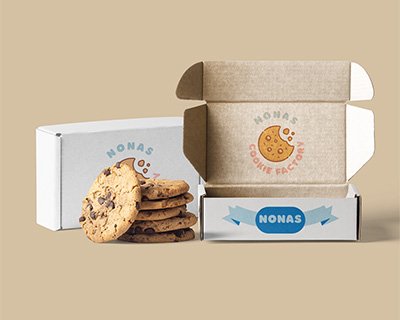
We needed custom boxes with a logo and food-safe window for our Eid cookies. They guided us on materials and delivered exactly what we wanted. Clients love the unboxing.
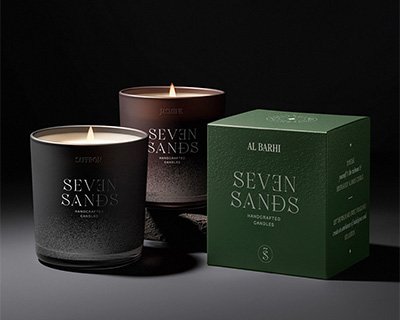
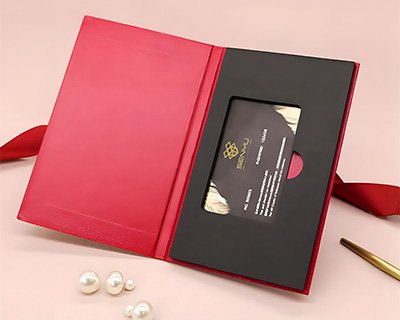
We wanted luxury but eco-friendly. They suggested recyclable rigid boxes with a frosted window and satin insert. Customers now post unboxing videos; that’s how good they look.

They helped us pick the right size, finish, and custom window shape. The boxes fit our brand perfectly, and the minimum order quantity was reasonable.
We ordered 2000 paths for our business. Turnaround time was fast, packaging was sturdy, and no damage during shipping. We’ve made them our go-to packaging partner.

Excellent services! They helped choose the right size, finish, and window shape. The boxes fit our brand, and the minimum order quantity was reasonable for business.

I am satisfied with my custom packaging boxes. The team was very cooperative and understood what we needed and delivered on time. happy with the result.
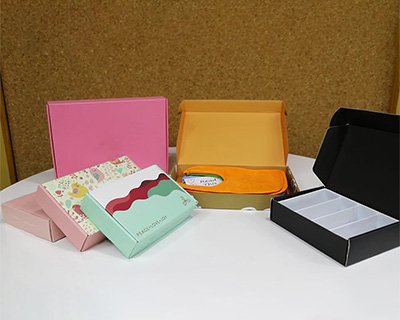
I ordered multiple boxes on my own demand. I am impressed by the finish and quality. They added a luxury look and feel to my product.

Fantastic experience! These boxes matched my expectations perfectly and significantly enhanced the brand presentation.
Hall Path Packaging provides packaging that perfectly fits our products, ensuring durability during shipping. High recommanded!
It relies on the metric. Paper bags have a lower carbon footprint per single use. Cotton totes, despite a collection footprint, become tolerable after numerous reuses; a cotton bag demands 50to150 uses to compensate for its manufacturing result.
Standard choices contain organic cotton, reclaimed rPET, kraft paper, and nonwoven polypropylene. Each material fits different use points, from heavy-load jute totes for retail to weightless kraft paper for gifting and takeaway.
PET bags are constructed from reclaimed plastic bottles instead of new petroleum-based material, cutting energy use in display by around 50–60% compared with virgin plastic. They support connecting the UK Plastic Packaging Tax requirements, and they hold over 30% of the reclaimed range.
Cotton totes last longer, often lasting hundreds of uses, versus kraft paper's single or limited handful of uses. Kraft bags are best suited to one-off retail handouts or gifting, and cotton bags are fitted to brands desiring long-term customer visibility.
The tax affects businesses that import or affect 10+ tonnes of plastic packaging holding less than 30% reclaimed material. Businesses sourcing rPET or non-plastic alternatives like jute and paper sit outside this liability.
There's no blanket legal requirement to use eco-friendly bags, but rules like the plastic bag charge and Plastic Packaging Tax construct strong financial incentives to switch. Many retailers also adopt sustainable bags with the UK's broader Extended Producer Responsibility (EPR) reforms.
Responsible sourcing proves that the paper or wood pulp used comes from responsibly operated groves that fulfil rigid environmental and social standards. It is a trustworthy way to establish sustainability claims on kraft paper and cardboard-based bags, instead of relying on incomplete "eco" labelling.
The Global Recycled Standard (GRS) establishes and tracks the reclaimed range in a product, verifying that materials like rPET are derived from post-consumer or post industrial waste. It also sets essentials around chemical use and social standards during manufacturing.