Moving House? A Guide to Choosing the Right Cardboard Boxes UK
For a house move in the UK, three things decide which cardboard boxes you need: the strength of the box, whether it’s single-wall or double-wall, and the weight of what goes inside. The wrong choice can mean a torn box, damaged belongings or a load that’s too heavy to lift.
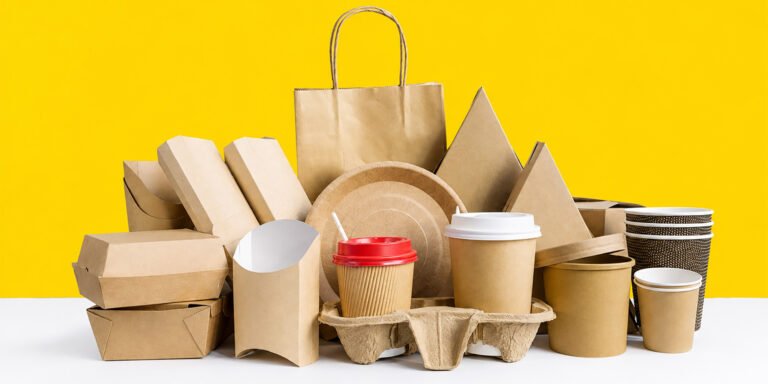
Size is where most people start. Books, tools and tins go in small boxes, because anything dense gets heavy fast. Kitchenware, toys and folded clothes fit in medium ones. Large and extra-large boxes are really only for light, bulky things like pillows, duvets and cushions. After that, you’ve got the type of box to think about, like a regular slotted container (RSC), a full overlap box or a die-cut custom box, plus whether single wall or double wall makes more sense for your move.
We cover all of that below, along with specialist boxes, house moving kits, checking box dimensions and eco-friendly options. Read on, and you’ll know what to buy before moving day.
Why Choosing the Right Cardboard Boxes Matters When You Are Moving House
A house move puts boxes through a lot. They get packed tight, lifted, carried, stacked in a van and unpacked at the other end. A box that is too weak, or the wrong size for what’s inside, will let you down somewhere along the way.
Weight is the biggest problem. Pack heavy items into a large box, and it can tear or break, and even if it holds together, it may be too heavy to lift. That’s why small boxes are used for dense things like books and tools. Large boxes are better kept for light, bulky items such as pillows and duvets.
Then there’s the board itself. If your items are big, heavy or breakable, double-wall cardboard is what you want. Lighter things that won’t break easily can go in single-wall boxes. For anything valuable, it’s worth paying a little extra for reinforced boxes or made-to-measure cardboard boxes.
Before you buy anything, work out what’s going into each box. The rest of this guide covers sizes, types and strength one step at a time.
Cardboard Box Sizes for Moving House and What to Pack in Each One
Most moves need a mix of sizes. Using one box for everything is how you end up with a box of books nobody can lift and a huge box that’s only half full of pillows.
Small Boxes for Books, Tools and Other Heavy Items
Small boxes are for dense things. Books, tools, tins, DVDs and records all belong here. They’re small on purpose, because a small box can only hold so much weight, so it never gets too heavy to lift. Don’t be tempted to put a book collection in a bigger box. You’ll just end up with one very heavy box instead of three that are easier to carry.
Medium Boxes for Everyday Items
Most of your packing will probably end up in medium boxes. They suit kitchenware, small appliances, toys and folded clothes, and a full one is still easy enough to carry. When you can’t decide which size something needs, medium is a safe bet.
Large Boxes for Light, Bulky Items
Large boxes are only for things that weigh very little, like pillows, duvets, cushions and other bedding. Put something heavy in one, and it can tear or break, so leave that job to the smaller boxes. The same goes for very big sizes, such as large cardboard boxes 1000mm long. They suit bulky, light items, but not anything heavy.
Specialist Boxes Such as Wardrobe Boxes and Dish Packs
Some things need their own kind of box. A wardrobe box comes with a hanging bar, so suits and coats can go in on their hangers without being folded. A dish pack has double-walled support, which is what you want for china and glassware.
Different Types of Cardboard Boxes You Can Use for Packing and Moving
Size isn’t the only thing that changes from one box to the next. The way a box is built changes too, and some builds suit certain jobs better than others. These are the four types you’ll come across most.
Regular Slotted Containers (RSC) for Everyday Packing
This is the standard box most people picture. An RSC is made from one piece of cardboard, and its flaps meet in the middle when you fold it shut. It’s the type used most for shipping and storing things. RSC boxes come in lots of sizes, so they can hold light items and heavy ones, and they’re cheap and simple to put together. For most of your move, this is the box you’ll be using.
Full Overlap (FOL) Boxes for Valuable and Breakable Items
A full overlap box is built to last. Its flaps overlap each other, which makes the box stronger and safer than a standard one. If you’re packing something valuable or breakable, an FOL box is a good choice. For gifts or heavier items where you want a neater finish, Top and Bottom Corrugated Boxes USA are another option.
Die-Cut Custom Boxes for Awkward or Fragile Shapes
Die-cut boxes are made to fit the shape of the item going inside, so the item gets extra protection. They’re useful for things that are too big or too fragile for a regular box, such as electronics or glassware.
Speciality Boxes for Clothes, Files and Food
Speciality boxes are made for one particular job. A wardrobe box has tall hanging rods, so clothes stay on their hangers and don’t need folding. File storage boxes are there to keep papers in order. And if you’re packing food, boxes that are safe for food, like those in Food & Beverage Packaging USA, help keep it fresh.
Single Wall vs Double Wall Boxes: Which Is Strong Enough?
Moving boxes usually come in two kinds of board. Single Wall Corrugated Boxes USA have one fluted layer between two flat liners. Double Wall Corrugated Boxes USA have two fluted layers between three liners, so they’re thicker and tougher.
Single wall is fine for lighter, less fragile things like clothes, toys and bedding. If a box won’t be carrying much weight, there’s no need to pay for more board than you need.
Double wall is the better pick when the load is big or heavy. The extra layer helps the box hold up under the weight, and it copes better with stacking too. If you pick a box up and worry it might split, that’s a sign it should have been double wall.
For very heavy loads, there are also Tri Wall Corrugated Boxes USA and Custom Multi-Wall Corrugated Boxes USA, which add even more layers.
Valuable items need a bit more thought. It can be worth paying a little extra for reinforced boxes when you’re packing things you’d hate to lose. A few more pounds on the box costs far less than replacing what was inside.
Important Things to Keep in Mind Before You Choose the Right Box
Before you add boxes to the basket, run through three things: what’s going in, how it’s travelling and how long it’ll be sitting around.
What Size, Weight and Fragility Your Items Have
Start by looking at how big, heavy and breakable your things are. That tells you the box size and the type of board. Use double-wall for big or heavy items, single-wall for lighter ones, and extra protection for valuables, as covered above.
How You Are Moving or Shipping the Boxes
The trip makes a difference. For long distances, double-wall boxes are the better choice because they’re more stable and cope with knocks and pressure better. If the items are light and easy to carry, and they’re only going a short way or being delivered locally, standard RSC boxes, such as Standard Mailing Boxes USA, are usually enough. For longer or heavier trips, take a look at Shipping & Transport Packaging USA.
Where and How Long the Boxes Will Be Stored
If boxes are going into storage for a long time, they need to be strong. Double-wall boxes can be stacked for a long time without falling over. Damp is another thing to think about. If you live somewhere with a lot of moisture, look for boxes that won’t go mouldy or attract bugs.
Should You Buy a House Moving Kit or Separate Packing Supplies?
Once you know which boxes you need, there’s another choice to make. You can buy a complete house moving kit, or you can buy your packing supplies one item at a time.
All-in-One House Moving Kits for Small to Medium Moves
A house moving kit bundles a set number of boxes with other basics like packing tape and bubble wrap. You don’t have to track down each item separately, which saves time. It’s a good place to start for a small or medium move.
Individual Packs of Cardboard Storage Boxes for More Flexibility
Buying separate packs gives you more control. If you have a lot of one kind of item, like a big book collection, or you just need to top up what you already have, packs of cardboard storage boxes let you buy exactly what your home needs. If you only need a couple and you’re wondering where you can buy just one cardboard box, small packs or single boxes from a local shop or a packaging supplier will do.
What about free cardboard boxes for moving? Lots of people ask friends, neighbours or local shops, and it can save money. Want to know how to get free cardboard boxes in the UK? Try local community groups. Used boxes can be weak, damp or simply the wrong size. Look each one over before you put anything heavy in it.
Check the Inside Measurements and Pack Size First
The size on a box listing is often the outside measurement, but what counts is the space inside. So check the internal dimensions, and make sure your things fit without being squeezed. The pack size is worth a look too, since it shows how many boxes you actually get for your money.
Books and other heavy items go better in a handful of small boxes than in one big one, because each box stays easy to carry. Large boxes are for light, bulky things like duvets and pillows. And if a standard size won’t fit something, made-to-measure cardboard boxes are an option.
Eco-Friendly Cardboard Boxes Worth Looking For
Cardboard is one of the easier materials to feel good about. It can be recycled and it breaks down naturally, so more people and businesses are choosing it for packaging that’s kinder to the environment.
Recycled and Recyclable Boxes
Go for boxes that can be recycled, or ones made from materials that have been used before. A label saying “made from recycled materials” is what to look for. That helps lower the carbon footprint of the packaging, and people who care about the environment will like it. Plastic-Free Carriers Packaging USA are another option if you want to cut plastic out of the mix.
Reusing Your Boxes to Cut Down on Waste
Look after your boxes, and they can be used again more than once. Every reuse means less waste, and that fits the circular economy. This applies to businesses too. If you’re choosing packaging boxes for a small business, eco-friendly ones can make your brand look better and bring in customers who care about the environment. If your orders go out to customers, E-commerce Packaging USA and Corrugated Mailer Boxes USA are good places to start.
Get Strong and Reliable Moving Boxes from Hale Path Packaging
At Hale Path Packaging, we help businesses in the UK and USA find packaging that fits their products, budget and brand. If you need boxes in bigger numbers, we can help with wholesale cardboard boxes too, from size and board strength through to printing and finishing. Our range also covers Beverage Multipacks USA, Can Multipacks Packaging USA and Bag-in-Box Outer Packaging USA.
To order custom shipping boxes, start by telling us what you’re packing and how it will travel. We’ll recommend a size and board strength that fit.
If you need packaging boxes for a small business, or boxes for something you move or ship often, contact Hale Path Packaging today. Tell us what you need, and we’ll put a quote together.
Conclusion
If you only remember a few things from this guide, make it these. Small boxes for heavy stuff like books and tools. Medium ones for everyday items. Large ones only for light things such as pillows and duvets. Double wall for heavy loads and anything going into storage, single wall for the rest, and stronger boxes for valuables.
After that, it comes down to how you buy. A house moving kit is quick and handy for a smaller move, while separate packing supplies let you pick exactly what you need. Recycled boxes are worth choosing if you can, and you can use them again once you’ve moved in.

Harry Taylor
Packaging expert at Hale Path Packaging, sharing insights on custom packaging solutions, sustainable materials, and industry trends.