

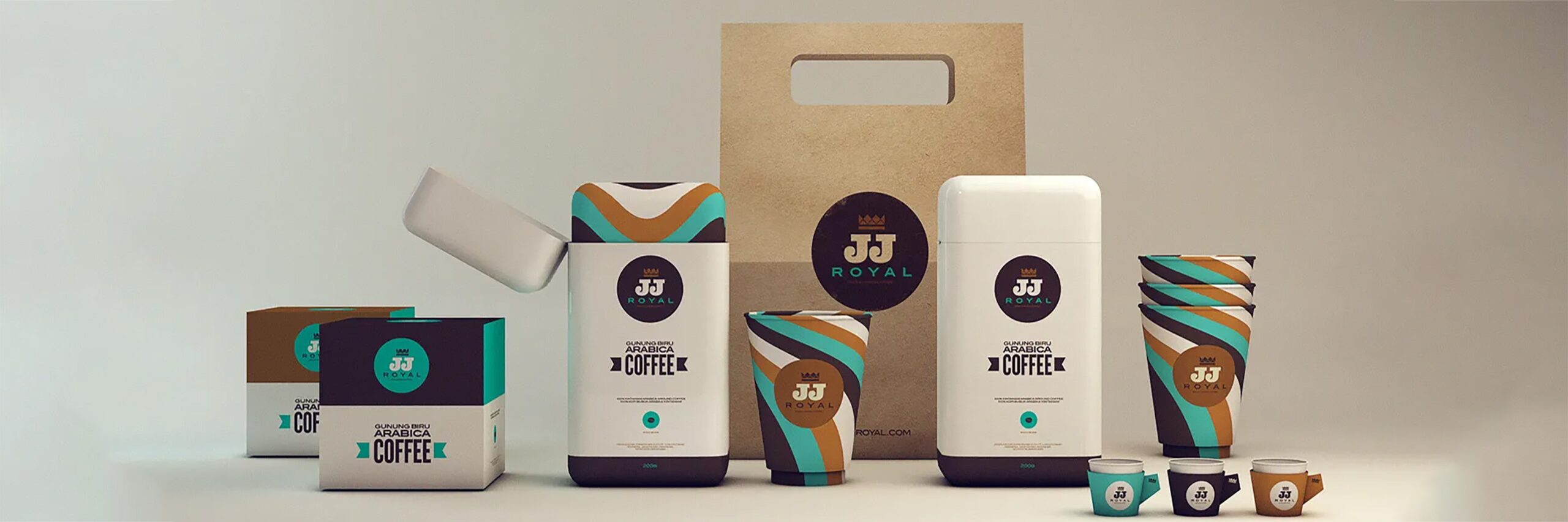
Product Packaging Design: 5 Key Metrics You Must Test Before Launch
Today, in the competitive market, Custom packaging is the first and only chance for the brand to get customer satisfaction. That shows the points of sale and purchase decisions for the packaging that play a main role in influencing options. These packages are constructed with a protective layer and provide powerful marketing tools that impact sales and brand perceptions.
Because they rely on personal preference, when the packaging is designed are harmful for it. These designs are not perfect for packaging brands and decrease the experience of the user and the durability. That’s why Delta-9 Product Packaging Design is important for reducing the risk of damage and confirming the complete security of market success.
In this guide, we will study five key metrics used in package design testing helping you make smarter, data-driven packaging decisions that build customer devotion and secure higher returns on investment.
Shelf Impact & Visual Saliency Rating
Shelf Impact & Visual Saliency Rating measures how powerfully a package design brings the customer’s interest in a crowded retail atmosphere. High visual saliency confirms your product sticks out among competitors, with metrics like noticeability time, gaze duration, and heat map intensity giving clear data on where clients look first. By using structured visual testing, brands can understand which colors, shapes, and typography elements are most effective at catching the client’s eye and forcing them to stop and explore.
- Importance of color contrast and font clarity in shelf results
- Using eye-tracking data to improve product noticeability
- Testing package design against main competitor products
- Essential metrics include time to first notice and overall attention share
Information Readability & Comprehension Score
Information Readability & Comprehension Score evaluates how easily and quickly customers can comprehend the main benefits and details of a product through its packaging. Since clients make purchase conclusions in seconds, clarity in messaging, hierarchy of details, and font readability are important for success. testing these elements confirms that important product information, such as usage instructions, ingredients, and USPs, are effectively communicated without overwhelming the buyer, ensuring they feel confident in their choice.
- Hierarchy of details and its effect on quick decision-making
- Testing the readability of important product details and instructions
- The role of clear typography in client trust and comprehension
- Essential metrics include message recall accuracy and readability speed
Emotional Resonance & Brand Alignment Index
Emotional Resonance & Brand Alignment Index calculates the emotional connection a package creates with the customer and how powerfully it conforms to the brand’s core values. packaging design is not just about visuals; it’s about stimulating the right feelings — whether it’s luxury, trust, excitement, or sustainability. By evaluating emotional reactions and brand recall, businesses can confirm their packaging builds a powerful emotional bond that differentiates them from competitors and builds lasting brand loyalty.
- Stimulating the right emotions through color, imagery, and material feel
- Aligning packaging design with the brand’s main values and mission
- Using sentiment analysis to measure customer emotional reaction
- Essential metrics include brand attribute association and sentiment score
Functional Durability & User Experience (UX) Rating
Functional Durability & User Experience (UX) Rating evaluates how powerfully the packaging functions in the real world, from protecting the product to being easy to open and use. A visually amazing box that breaks during transit or is hard to open will hurt the brand’s reputation and lead to negative reviews. testing for structural integrity, ease of opening, and re-usability confirms that the packaging design not only looks good but also performs its main job, provides a better experience, and ensures safe product packaging.
- Poor functionality increases client frustration and decreases pleasure
- Structural defects can hurt brand importance and lower product ratings
- Testing methods like drop, reduction, and transit simulations secure durability
Sustainability Perception & Eco Credentials Score
Sustainability Perception & Eco Credentials Score calculates how buyers perceive the environmental commitment of a brand’s packaging. Eco-conscious packaging has evolved into a main characteristic in investment decisions, as consumers choose brands that establish natural environmental responsibility. By considering material choices, recyclability messaging, and claim realism, businesses can comprehend how powerfully their packaging maintains sustainability expectations and builds long-term brand trust.
- Growing customer requests for sustainable packaging solutions
- Sustainability perception directly impacts purchase behavior and brand devotion
- Client surveys help evaluate eco-certificates and environmental messaging clarity
- Material transparency and recyclability audits provide proper sustainability communication
- Essential metrics contain eco perception score, recyclability clarity rating, and realism score
- Operate kraft paper materials, recycled scope, and plastic-free opportunities to improve the sustainability version
How to Build a Complete Product Packaging Design Testing Framework
Building a complete packaging design testing framework concerns connecting essential performance metrics into a structured evaluation system that informs packaging decisions. By using a weighted scoring system, brands can prioritize what matters most for their product and audience, using tools like surveys, focus groups, eye tracking, and prototype testing for correct wisdom. A stage system provides packaging that is tested before launch and constantly observed after discharge, with traditional examinations or competitor-driven stimuli allowing support for a strong version over time.
Conclusion
Counting packaging routine across all five key metrics- shelf result, client awareness, dynamic response, functionality, and sustainability- delivers a complete and trustworthy idea of how your packaging performs in the real market. When considered jointly, these metrics enable brands to move beyond guesswork and make smarter, data-driven conclusions that directly improve customer experience, brand perception, and sales commission.
Rather than trusting beliefs, structured testing shows what honestly works and what requires improvement, ensuring every design element conforms to a clear purpose. From visual appeal and readability to emotional connection and sustainability records, each element plays a required role in shaping buying behavior.
Brands that always use data-based understandings constantly outshine those that depend on instinct alone, especially in competitive retail environments where first impressions count most.
If you want to improve your packaging performance, it’s time to audit your current plans against these five essential metrics. Our packaging design process optimization benefits support brands in identifying gaps, improving frame results, and assembling packaging that truly transforms. Reach out today to change your packaging into a powerful, sales-ambitious support.

Harry Taylor
Packaging expert at Hale Path Packaging, sharing insights on custom packaging solutions, sustainable materials, and industry trends.