
Types Of Mylar Bags | Styles, Thickness Chart & Packaging Application
Mylar bags – technically BoPET (biaxially oriented polyethylene terephthalate) film, usually laminated with aluminium foil or a metallised layer – come in eight common formats: flat, stand-up pouch, zipper/resealable, gusseted, window, foil-laminated, child-resistant, and custom-printed. Thickness (measured in mil, or thousandths of an inch) is the number that actually determines performance: 3 mil suits short-term or light use, 5 mil is the accepted minimum for genuine long-term storage, and 7-10 mil is for heavy-duty or high-value contents. Below, each format is explained with what it’s actually built for, plus the thickness and sealing questions people get wrong most often.
Why Mylar Bags Work: The Barrier Science in Plain Terms
Mylar bags aren’t “plastic bags with a fancy name.” Mylar is a brand name (originally DuPont’s, now used generically) for BoPET film, polyester stretched in two directions during manufacturing, which gives it its strength and clarity before any foil or metallisation is added. Most mylar pouches used for packaging are a laminate, not a single material: a BoPET or metallised layer for the oxygen and light barrier, sandwiched with an inner sealant layer (commonly LLDPE) that lets the bag actually heat-seal shut.
That layered construction is why mylar outperforms a standard plastic bag on four fronts at once: oxygen transmission, moisture vapour transmission, light blocking, and puncture resistance. A single-layer polybag can usually only offer one or two of those. This is also why “how thick should my mylar bag be” doesn’t have one universal answer – it depends on which of those four barriers actually matters for what’s going inside.
What’s the difference between a mylar bag and a regular plastic bag? A regular plastic bag is typically a single layer of polyethylene, which blocks moisture reasonably well but does very little against oxygen or light. A mylar bag is a laminate – a BoPET or metallised film layer bonded to an inner sealant layer – which is why it blocks oxygen, moisture, and light simultaneously. That’s the barrier difference that actually extends shelf life, not just the “foil look.”
The 8 Main Types of Mylar Bags
Flat Mylar Bags
Flat-bottom mylar bags are the simplest construction – no gusset, no standing base, just a sealed pouch. That simplicity is the point: fewer seals mean fewer potential failure points, which is why flat bags remain popular with long-term food storage users and retail suppliers packing dry goods in bulk. They’re usually the lowest-cost mylar format per unit, since there’s less film and no structural fold to form.

Stand-Up Pouch Mylar Bags
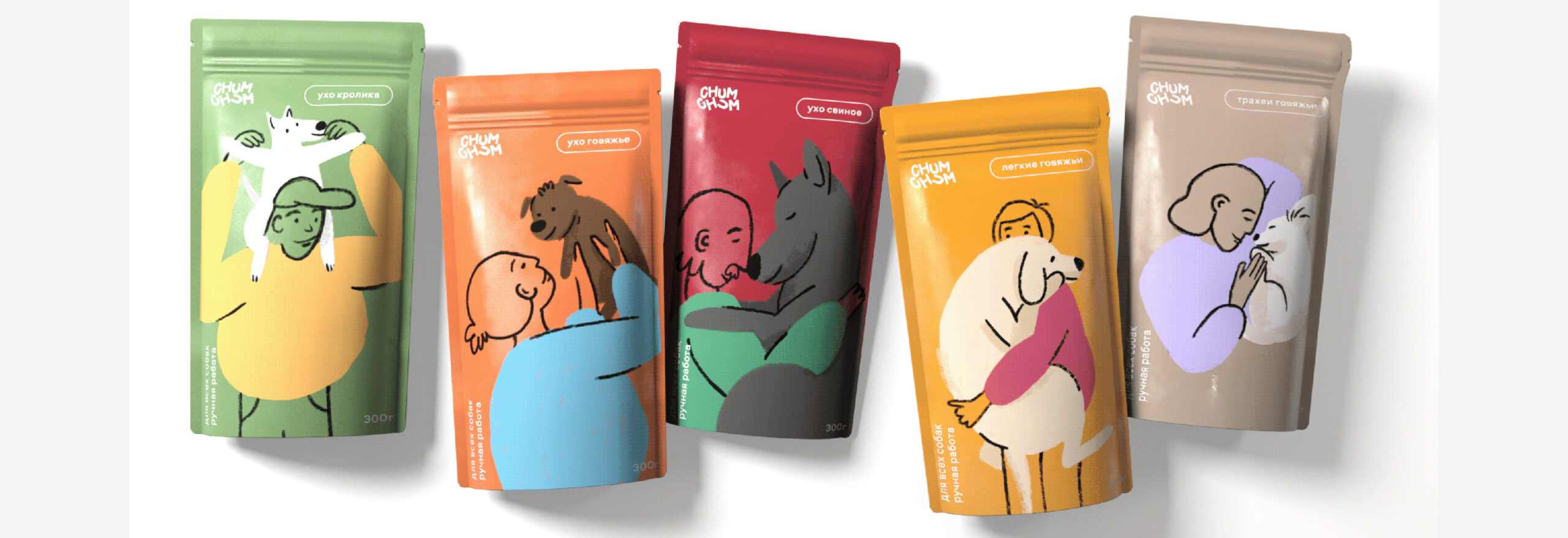
A stand-up pouch uses a bottom gusset that unfolds into a flat base, letting the bag stand upright on a shelf like a jar or can. This is the format retail buyers actually expect for coffee, tea, pet food, and powders – it’s what makes a product look retail-ready rather than like a shipping bag. Combined with a resealable zipper, it’s the most common format for branded consumer-facing mylar packaging.

Zipper (Resealable) Mylar Bags
Zipper mylar pouches add a mechanical interlocking track at the top, letting the bag be opened and resealed repeatedly without losing barrier performance on each use. This matters more than it sounds: a bag that’s only sealed once (heat-sealed with no zipper) protects contents well until first opening, then offers no protection at all afterward. For anything a customer will dip into more than once – snacks, condiments, pet treats – the zipper isn’t a convenience feature, it’s what keeps the barrier working after day one.

Gusseted Mylar Bags
Fin-seal gusset bags add side and bottom folds that expand under load, creating internal volume without weakening the seal – the structural difference between a bag that holds its shape when full of rice or beans and one that strains at the seams. Side-gusseted and bottom-gusseted are different constructions suited to different fill weights; heavier, denser products (grains, beans) generally want a wider gusset than lighter items (coffee, snacks).

Window Mylar Bags
Window and die-cut mylar formats – closest confirmed match: Die Cut Cosmetic Pouches, swap for a dedicated window-mylar product URL if one exists] combine full barrier protection with a clear panel for product visibility. The trade-off is real: the windowed section has less barrier performance than the surrounding laminate, so window placement matters for light-sensitive contents – a small window away from direct shelf lighting performs very differently to a full-face window.

Foil Mylar Bags
Foil sachet packaging uses a full aluminium foil layer rather than a metallised (vapour-deposited) layer, which is the difference between “good” and “best” barrier performance in mylar packaging. True foil lamination blocks essentially 100% of light and oxygen transmission, which is why it’s the standard choice when a product is genuinely light- or oxygen-sensitive rather than just benefiting from some protection.

Child-Resistant Mylar Bags
Child-resistant mylar bags use a certified locking mechanism – a push-and-turn, slider, or interlocking system tested to meet child-resistant packaging standards – layered on top of standard mylar barrier construction. These are mandatory for cannabis and certain regulated products in most markets, and increasingly expected for any product where accidental child access is a real safety concern.

Customer Printed Mylar Bags
Custom printed coffee bags are stable, resealable, and scentless packaging made from biaxially-oriented polyethene terephthalate. Ideal for food, cannabis, and pharmaceuticals. These bags are a powerful branding tool, transforming standard protective storage into retail-ready packaging. Because Mylar is a multi-layered material, professional printing usually happens during the manufacturing process to ensure the design is permanent and high-resolution.
Are child-resistant mylar bags required by law? For cannabis, CBD, and certain regulated products, child-resistant packaging is a legal requirement in most UK and international markets, not an optional upgrade. The locking mechanism has to meet a certified testing standard, not just look difficult to open – a bag marketed as “child-resistant” without that certification doesn’t satisfy the legal requirement.

Custom Printed Mylar Bags
Custom printed mylar bags turn a functional barrier bag into a branding surface. Because mylar is a multi-layer laminate, professional printing happens during manufacturing – typically between the outer film and the laminate layers – rather than as a surface print applied afterward, which is what gives the print its durability and high-resolution finish rather than something that scuffs off in transit.
Mylar Bag Thickness Chart: What Mil Actually Means
What thick mylar bag do I need? Thickness is measured in millimeters (thousandths of an inch, not millimetres). As a working guide: 3 mil suits light, short-term use; 4-5 mil covers everyday medium-strength packaging; 6-7 mil is the range for genuine long-term storage; 8-10 mil is heavy-duty, used for maximum puncture resistance or high-value contents. For anything intended for real long-term storage – 12 months or more – 5 mil is the generally accepted minimum in the packaging and food-storage industry; thinner bags are more prone to pinhole punctures and seal failure over time, which defeats the purpose of using mylar in the first place.
| Thickness | Typical Use | Notes |
| 3 mil | Light, short-term storage | Not recommended for long-term or heavy contents |
| 4-5 mil | Everyday medium-strength use | 5 mil is the accepted minimum for long-term storage |
| 6-7 mil | Strong, long-term storage | Standard for dry goods, grains, coffee |
| 8-10 mil | Heavy-duty, maximum protection | High-value or abrasion-prone contents |
Can I reuse a mylar bag, or does it need to be sealed only once? It depends on the format. A plain heat-sealed flat bag is generally single-use once cut open, since the original seal can’t be reformed without another heat sealer pass. A zipper or resealable mylar pouch is specifically built for repeated opening and closing without losing barrier performance – if reuse matters, that’s the format to specify, not a plan to re-seal a flat bag by hand.
Do I need an oxygen absorber, or is the mylar bag’s seal enough on its own? They solve different problems and most long-term storage setups use both. The mylar barrier stops new oxygen from entering the bag from outside. An oxygen absorber removes the oxygen already trapped inside the bag at the point of sealing. A well-sealed high-barrier mylar bag without an absorber will still have some residual oxygen inside it – for genuinely long-term storage, that residual oxygen is exactly what an absorber is there to remove.
Mylar Bags Across Industries
Food and dry goods. Zipper food pouches are the standard for rice, flour, dried fruit, and snacks – the barrier protects flavour and shelf life, and the zipper keeps that protection intact after first use.
Pharmaceutical. Pharmaceutical packaging applications rely on mylar’s moisture and vapour barrier to protect medication stability – a genuinely different performance requirement to food packaging, since some pharmaceutical activities degrade from moisture exposure far faster than food does.
Cannabis and herbal. Cannabis storage mylar bags and weed mylar bags combine odour-barrier performance with child-resistant closures where required by law – two separate technical requirements that both have to be met, not just one.
Electronics. Anti-static mylar formats protect circuit boards and components from static discharge during storage and shipping – a specialised construction, not a standard mylar laminate with a different name.
Cosmetics. Facial mask packaging pouches and facial cream sachet packaging use mylar’s barrier properties to protect active ingredients from oxidation, while the printable surface handles the branding a cosmetics buyer needs on shelf.

A UK-Specific Cost Factor Most Mylar Guides Miss Entirely
If you’re a UK brand sourcing custom mylar packaging, there’s a regulatory cost layer that applies here the same way it applies to rigid and folding-carton packaging: UK Extended Producer Responsibility (EPR). Mylar/BoPET laminate pouches are plastic-rated packaging under EPR – PackUK’s illustrative Year 2 (2026-27) rates put plastic at roughly £455/tonne on the amber base, rising to around £545/tonne for Red-rated (harder to recycle) formats, or dropping to around £415/tonne for Green-rated, mono-material-leaning constructions. A standard foil-laminated mylar pouch, being a mixed-material laminate, typically rates toward the Red end of that scale – worth knowing before specifying a format purely on unit price. For the full breakdown, see our Packaging EPR UK guide.
Do mylar bags count toward UK EPR packaging fees? Yes. Mylar/BoPET pouches are classified as plastic packaging under UK EPR, and a business supplying or importing 25+ tonnes of packaging a year with £1m+ turnover falls within scope the same as for any other plastic packaging format. Multi-layer foil laminates typically rate toward the higher, Red end of the recyclability scale, while simpler mono-material or recyclable mylar-alternative constructions can rate lower.
Choosing the Right Mylar Bag: What Actually Determines the Spec
Start with what’s inside, not the bag style. Dry goods need moisture and oxygen protection; coffee needs a degassing valve to release CO2 without letting oxygen in; powders need strong seal integrity to stop fine particles escaping at the seal line; cannabis needs odour-barrier performance; liquids or oils need a thicker laminated barrier than dry goods of the same value.
Then pick the structural format – stand-up pouch for retail shelf presence, flat or gusseted for bulk/back-of-house storage, zipper for anything opened more than once, window where visibility sells the product and light exposure is an acceptable trade-off.
Then set thickness against real storage duration, not a guess – use the chart above rather than defaulting to whatever mil a supplier quotes first.
Then compare total cost, not just unit price. A cheaper, thinner bag that fails early – torn seals, lost barrier performance, product spoilage – costs more in wasted product and reputational damage than paying more per unit for a spec that actually holds.
The Bottom Line
The style questions – flat versus stand-up, zipper versus heat-seal – matter less than most buyers assume. What actually determines whether a mylar bag performs is the barrier construction (foil versus metallised versus film-only) and the thickness matched to real storage duration, not the shape of the bag. Get those two right first, then choose the format that fits your product and shelf presence.
Hale Path Packaging manufactures custom mylar and BoPET pouches across all the formats above – stand-up, gusseted, child-resistant, and custom-printed – with material and thickness specified against your actual product and storage requirements, not a generic template.
Get a custom mylar bag quote from Hale Path Packaging, or browse our full mylar bags range.
Related: Custom Cosmetic Packaging UK: Cost Guide · Packaging EPR UK for Small Businesses · Coffee Packaging · Cannabis Packaging · Protein Powder Packaging

haleadmin
Packaging expert at Hale Path Packaging, sharing insights on custom packaging solutions, sustainable materials, and industry trends.